
Can Turtles Eat Bananas? (Nutrition Facts & Feeding Tips)
Published on: January 24, 2026 | Last Updated: January 24, 2026
Written By: Matthew The
You might be wondering if bananas are safe for your turtle, especially if you’re concerned about sugar levels or digestive problems.
This article explores nutrition facts, feeding tips, potential risks, and alternatives to keep your shelled companion thriving.
Are Bananas Safe for Turtles to Eat?
Yes, bananas are generally safe for most common pet turtle species to eat. Think of it like a sweet, occasional dessert rather than a daily meal. My Russian tortoise, Austen, gets a tiny piece about once a month, and he always shows a gentle, steady interest. It’s a special treat that brings a little variety to his diet.
You must serve bananas in strict moderation. The high sugar content is the primary concern. Too much sugar can lead to digestive upset and unhealthy weight gain in turtles. For my box turtle, Orwell, even a small portion more than once every few weeks seems to make him less active. It’s a clear signal that his system prefers simpler greens.
Key Safety Guidelines
- Offer only a small, bite-sized piece of banana.
- Limit this treat to no more than once every two weeks.
- Always remove the peel, as it is difficult for them to digest.
- Observe your turtle afterward for any changes in behavior or stool.
Understanding Banana Nutrition for Turtles
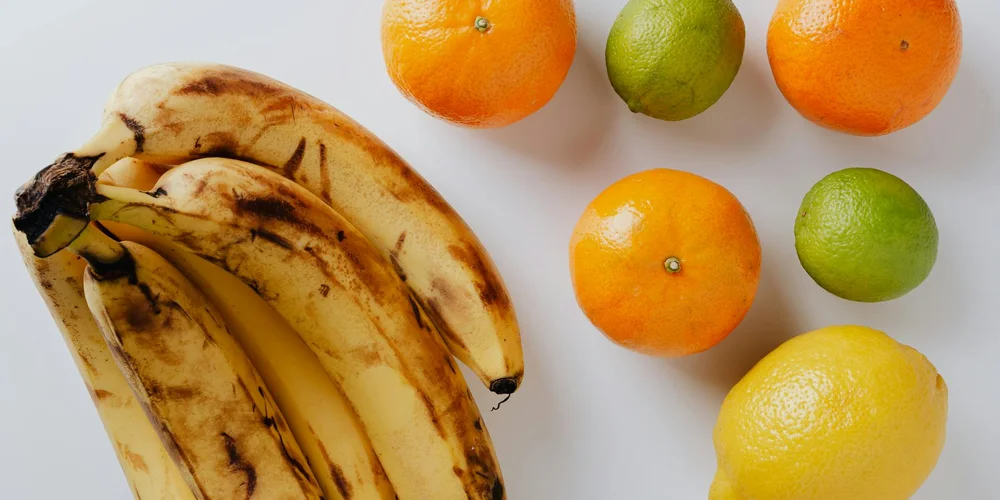
To make the best choices for your shelled friend, it helps to look at what’s inside a banana. While bananas provide a quick energy boost from natural sugars, they lack the critical calcium-to-phosphorus ratio that turtles need for strong shells. My Greek tortoise, Bronte, enjoys the soft texture, but her main diet consists of calcium-rich leafy greens to support her graceful, sturdy shell.
The primary nutritional components in a banana break down like this:
| Nutrient | Benefit for Turtles | Consideration |
|---|---|---|
| Potassium | Supports nerve and muscle function. | Easily obtained from safer leafy greens. |
| Dietary Fiber | Aids in healthy digestion. | Too much can cause loose stools when combined with high sugar. |
| Natural Sugars | Provides a fast source of energy. | The main reason to limit frequency; can lead to health issues. |
| Vitamin B6 | Helps with metabolic processes. | Not a primary source; turtles get this from a balanced diet. |
Ultimately, a banana is a high-sugar fruit that should never replace the core components of a turtle’s diet. I’ve found that mixing a tiny bit of mashed banana with their regular chopped greens can sometimes encourage picky eaters, but this is a trick I use very sparingly. Always prioritize dark, leafy vegetables and appropriate proteins for their long-term health and vitality. Carrots can be a small, occasional addition, offering fiber and vitamin A, but they should be fed in moderation as part of a balanced feeding guide. In a turtle-specific feeding guide, rotate carrots with leafy greens and protein to support varied nutrition and avoid overreliance on any one item.
How to Properly Feed Bananas to Your Turtle
Feeding bananas to your turtle can be a fun treat, but it needs care to keep them healthy. I always start by washing the banana thoroughly to remove any pesticides or dirt that could harm my pets. From my time with Orwell, my Box Turtle, I’ve seen how small steps make a big difference in their well-being.
Peel the banana and slice it into tiny, manageable pieces to prevent choking. Cutting it into chunks no larger than your turtle’s head ensures they can eat safely without struggle. I do this for Austen, my Russian Tortoise, and it helps him enjoy his snack without stress.
Serve bananas as an occasional treat, not a regular meal. Limit it to once a week or less to avoid issues like weight gain or digestive upset. In my experience, Bronte, my Greek Tortoise, gets excited for banana bits, but I stick to small portions to keep her diet balanced.
- Wash and peel the banana to eliminate contaminants.
- Chop into small pieces suited to your turtle’s size.
- Offer it fresh and remove uneaten parts after an hour to prevent spoilage.
- Mix with other safe veggies, like leafy greens, for variety.
Always observe your turtle after feeding. Watch for signs of diarrhea or lethargy, as these can signal that bananas aren’t agreeing with them. I’ve learned to adjust based on each turtle’s personality-Orwell is more tolerant, while Austen needs extra monitoring.
Which Turtles Can and Cannot Eat Bananas?
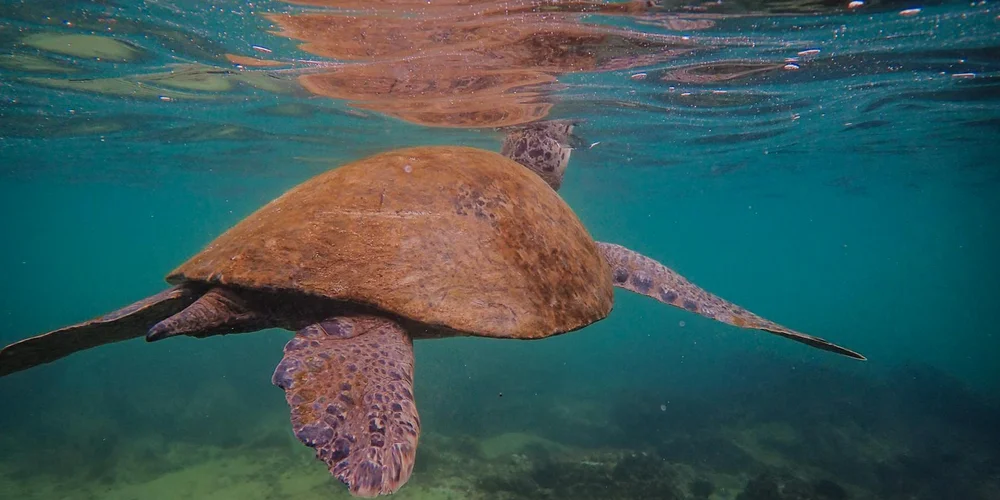
Not all turtles handle bananas the same way, so it’s key to know your pet’s dietary needs. Herbivorous and omnivorous turtles generally tolerate bananas in moderation, but carnivorous species should avoid them entirely. My years with Austen and Bronte have taught me that their plant-based diets make bananas a safer choice.
For turtles that can eat bananas, it’s all about balance. Species like Box Turtles and Red-Eared Sliders often enjoy the sweetness as a rare delight. When offering any human foods, choose only safe items in moderation and avoid seasoned or processed foods. Orwell, my Box Turtle, nibbles on banana slices without issue, but I pair it with protein sources to mimic his natural omnivorous habits.
- Can eat bananas: Box Turtles, Russian Tortoises, Greek Tortoises, and Red-Eared Sliders.
- Cannot eat bananas: Snapping Turtles, Softshell Turtles, and other carnivorous types.
Carnivorous turtles rely on meat and might struggle with high-sugar fruits. Some turtle species are herbivores, carnivores, or omnivores, so diets vary widely across the group. Feeding bananas to them can lead to nutritional imbalances or digestive problems, so stick to their preferred prey. Knowing a species’ place on that spectrum helps guide safe feeding. I advocate for animal welfare by always researching a species’ diet before introducing new foods.
Remember, even for suitable turtles, moderation is crucial. Overfeeding bananas can cause obesity or shell issues due to excess sugar and phosphorus. From caring for Bronte, I’ve found that variety in their diet keeps them thriving and happy.
Potential Health Risks of Feeding Bananas
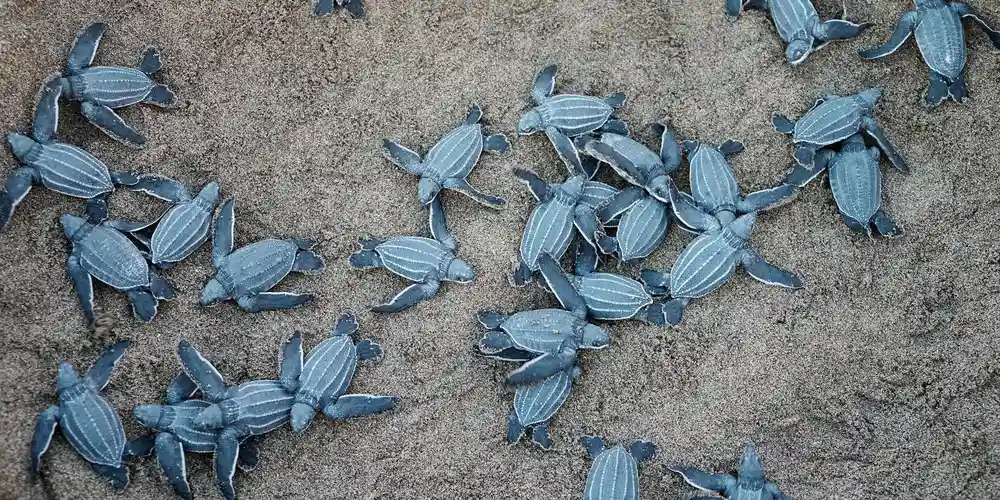
While the occasional banana slice won’t cause immediate harm, treating them as a regular snack can lead to some serious health complications for your shelled friend. The high sugar content is the primary culprit, posing a significant risk to your turtle’s long-term health. In my years with Austen and Bronte, I’ve learned that what seems like a harmless treat can have unintended consequences.
High Sugar Content
Bananas are packed with natural sugars, which a turtle’s digestive system isn’t designed to process in large quantities. This can easily lead to unhealthy weight gain and obesity. An overweight turtle faces immense strain on its internal organs and shell, drastically reducing its quality of life and mobility. I noticed Bronte becoming less active after a few too many fruit treats, which was a clear sign I needed to adjust her diet.
Calcium to Phosphorus Imbalance
This is a critical issue that many new turtle owners overlook. For proper shell and bone development, turtles need a diet where calcium significantly outweighs phosphorus. Bananas have a terrible calcium-to-phosphorus ratio, which can interfere with your turtle’s ability to absorb the calcium it desperately needs. A long-term deficiency can lead to metabolic bone disease, a painful and often fatal condition that causes soft, deformed shells.
| Nutrient | Amount in Banana (per 100g) | Why It’s a Problem for Turtles |
|---|---|---|
| Phosphorus | 22 mg | Binds with calcium, preventing absorption. |
| Calcium | 5 mg | Far too low to counter the phosphorus. |
Digestive Issues
A turtle’s gut is a delicate ecosystem. Introducing a sugary, soft food like banana can disrupt the natural balance of gut flora. This disruption often results in diarrhea, which is not just messy but can lead to dangerous dehydration and nutrient loss. Orwell once had a bout of digestive upset that taught me just how sensitive their systems can be to dietary changes. This is also why understanding safe versus unsafe foods for turtles matters—bread is a common temptation but not a safe option. Bread can swell in the gut and provide little nutrition, so it’s best avoided.
Creating a Balanced Diet Beyond Bananas
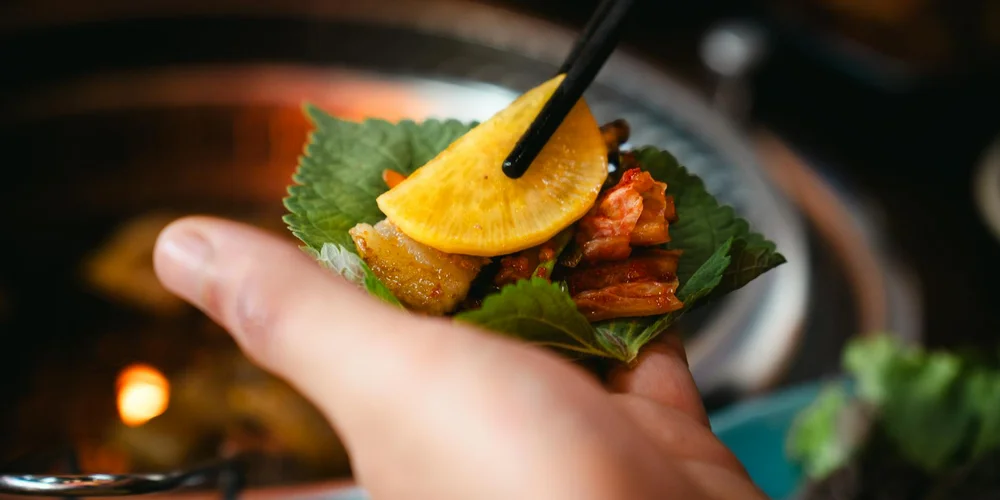
Focusing on a varied, species-appropriate diet is the single best thing you can do for your turtle’s health and longevity. A proper diet mimics what they would forage for in the wild, providing all the necessary nutrients without the risks of sugary fruits. Think of bananas as candy—a very rare indulgence, not a food group. For an omnivorous turtle, a balanced diet means regularly mixing leafy greens, vegetables, and suitable animal protein. Vary the foods to cover all nutritional needs and monitor portions based on species and size.
Staple Foods: The Foundation of Every Meal
These should make up the bulk of your turtle’s daily intake. I base Austen and Bronte’s meals around these reliable staples. For a complete, safe list of vegetables turtles can eat, I keep a rotating selection of approved greens and veggies.
- Dark, Leafy Greens: Dandelion greens, endive, and collard greens are excellent sources of calcium.
- Aquatic Plants: For aquatic turtles, duckweed and water hyacinth are natural and nutritious.
- Certain Vegetables: Shredded carrots, zucchini, and bell peppers add valuable vitamins and variety.
Safe Occasional Treats
Variety is the spice of life, even for turtles! These options are much safer and more nutritious than bananas.
- Berries: A single blueberry or raspberry offers antioxidants with less sugar.
- Melon: A tiny cube of cantaloupe can be a hydrating, low-phosphorus treat.
- Edible Flowers: Hibiscus and nasturtiums are a hit with my tortoises and are perfectly safe.
The Essential Protein Component
Especially for growing and aquatic turtles, animal protein is non-negotiable. I’ve found that offering live or pre-killed prey, like earthworms or feeder fish, provides vital mental stimulation and exercise alongside the nutritional benefits. For my box turtle Orwell, this is a crucial part of his diet that keeps him engaged and healthy. In a turtle protein guide, insects, spiders, and worms are highlighted as key protein sources. Knowing these options helps tailor diets for different species and growth needs.
FAQs
Can turtles eat banana peels?
No, turtles should not eat banana peels as they are tough and difficult to digest. The peel can also harbor pesticides or residues that may harm your pet, similar to grape peels for turtles.
How much banana is safe for a small turtle?
Offer a piece no larger than the size of your turtle’s head to prevent choking. Adjust the portion based on species, but always keep it minimal to avoid health issues.
What are the immediate signs of a bad reaction to bananas?
Watch for diarrhea or unusual lethargy shortly after feeding. These symptoms may indicate digestive upset or intolerance to the high sugar content.
Ready to Share a Banana With Your Shelled Friend?
Bananas can be a sweet, occasional treat for many turtles, but they should never become a regular part of their diet. The key is to offer tiny, mashed pieces infrequently to avoid health issues from the high sugar content. By sourcing and preparing fresh foods for your turtle, you can better control portions and nutrition. Focus on turtle-safe options and proper prep to keep meals healthy.
Caring for a turtle is a long-term commitment that requires us to keep learning about their specific needs. Your dedication to understanding their unique nutrition is what will ensure your shelled companion thrives for years to come. This is also covered in our care land and aquatic turtles essential guide, which offers practical tips for both land and aquatic turtles.
Further Reading & Sources
- Feeding Box Turtles | VCA Animal Hospitals
- Can Turtles Eat Bananas? What You Need to Know (Vet-Verified) | PangoVet
- r/snappingturtles on Reddit: A good list of fruits that you can offer your snapping turtle. I would treat bananas and pineapple as occasional treats; but other than that, it’s a good start.
- Can Turtles Eat Bananas? Vet Approved Nutrition Facts & …
Matthew is a dedicated turtle enthusiast and conservationist with over 15 years of experience in reptile care. Known affectionately as "The Leatherback" among his peers, he combines his passion for turtles with a commitment to educating pet owners on responsible turtle care and environmental stewardship.
Common Turtle Foods