
What Are the Best Turtle Species for Apartment Living?
Thinking about bringing a turtle into your apartment but worried they need a huge tank or constant attention? I’ve been there, and after years of caring for reptiles like my steady Russian tortoise Austen, I can tell you that the right species makes all the difference.
This guide covers top species picks, essential habitat setup, daily care routines, and common mistakes to avoid.
Top Turtle Choices for Small Spaces
Land-Dwelling Turtles for Apartments
Living with land turtles in an apartment has taught me that their calm demeanor fits perfectly into cozy spaces. My Russian Tortoise, Austen, spends his days exploring a simple enclosure without needing large water features. Species like Russian and Greek Tortoises thrive in dry setups, making them ideal for limited square footage. They require a habitat with hiding spots and a basking area, but their slow pace means they don’t demand excessive room to roam.
From caring for Bronte, my Greek Tortoise, I’ve noticed her graceful movements adapt well to indoor life. Land-dwelling turtles generally need less maintenance than aquatic types, reducing stress in compact homes. Always prioritize their welfare by avoiding overcrowding and providing enrichment like rocks and plants.
- Russian Tortoises: Hardy and small, perfect for beginners.
- Greek Tortoises: Adaptable to indoor climates with minimal space.
- Box Turtles: Semi-terrestrial but can do well with a balanced setup.
Aquatic Turtles in Compact Homes
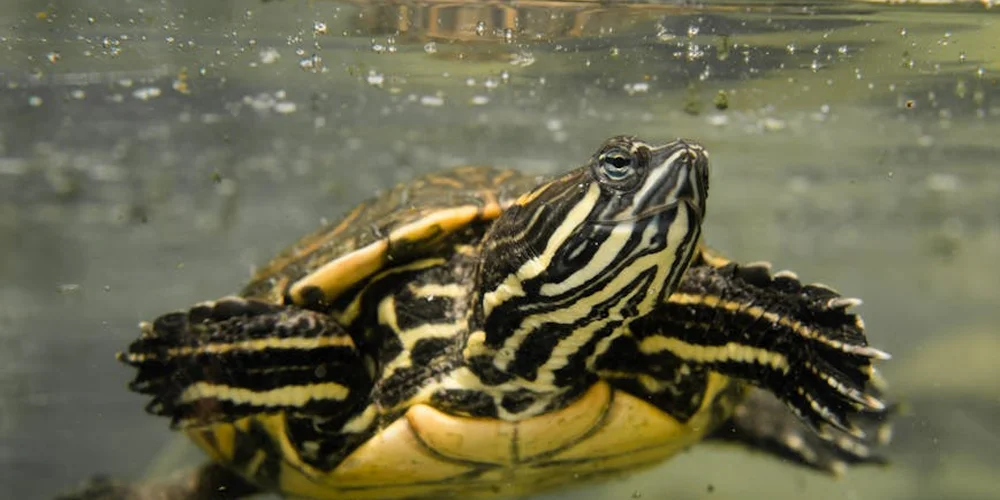
Aquatic turtles bring a slice of nature indoors, but in apartments, size matters. Orwell, my Box Turtle, enjoys a mix of land and water, showing how semi-aquatic species can fit snugly. Smaller aquatic turtles, like Musk or Painted Turtles, require less water volume, saving precious floor space. I’ve found that a well-filtered tank prevents odors and keeps the environment healthy.
Managing water quality is key in tight quarters. Opt for species that stay under six inches to ensure their tank doesn’t dominate your room. Regular water changes and a reliable filter make upkeep manageable, even in a studio apartment.
- Musk Turtles: Compact and low-maintenance.
- Painted Turtles: Vibrant and adaptable to smaller tanks.
- Red-Eared Sliders: Only if you commit to a larger setup as they grow.
Setting Up Your Indoor Turtle Tank
Ideal Tank Size and Enclosure Design
Choosing the right tank size is your first step to a happy turtle home. For my tortoises, I use enclosures that allow for natural behaviors without cramping. A general rule is to provide at least 10 gallons per inch of turtle shell length, but bigger always benefits their health. In apartments, vertical designs with multiple levels can maximize space efficiently.
From experience, a 40-gallon tank works well for most small species, giving them room to explore. Design the enclosure with easy access for cleaning to make daily care a breeze in limited areas. Include secure lids to prevent escapes and maintain a stable environment.
- Measure your available space before buying a tank.
- Select a rectangular shape over tall ones for better floor area.
- Incorporate ramps or shelves for basking and hiding.
Key Components for a Healthy Habitat
A thriving turtle habitat relies on a few essentials that I’ve fine-tuned over the years. Start with a reliable filter to keep water clean, especially in smaller tanks where waste builds up fast. UVB lighting is non-negotiable for shell and bone health, mimicking natural sunlight indoors. For land turtles like Austen, a heat lamp provides the warmth they need to digest food properly. To diagnose your habitat, use a quick checklist for perfect lighting, heat, and water. If anything seems off, tweak it before problems arise.
Don’t forget the basking area-a simple dock or rock lets turtles dry off and regulate body temperature. Use safe substrates like coconut coir or smooth gravel to prevent injuries and encourage natural digging. Regular monitoring of temperature and humidity ensures your pet stays comfortable and stress-free.
- Filter: Essential for water quality and odor control.
- Heater: Maintains stable water temperatures for aquatic species.
- UVB Light: Supports vitamin D3 synthesis and overall vitality.
- Basking Spot: A dry area with a heat source for resting.
- Hiding Places: Reduces stress and provides security.
Lighting and Temperature Essentials
UVB and Heat Setup
Getting the lighting and temperature right is non-negotiable for a healthy apartment turtle. Your turtle’s enclosure needs to replicate the sun’s natural cycles to keep their metabolism and shell strong. These are the essential heating and lighting requirements for a tortoise habitat. If you miss them, your tortoise risks stress and health problems. I learned this the hard way with my Russian tortoise, Austen; without proper light, he became sluggish and lost his appetite.
You need two primary types of lamps over the habitat. A UVB bulb is critical for processing calcium and preventing metabolic bone disease. A separate basking lamp provides a concentrated heat spot for your turtle to warm up its core body temperature. Position these lamps at one end of the enclosure to create a distinct temperature gradient, just like in nature. Proper UVB lighting is crucial for turtles as it helps them metabolize calcium effectively.
From my experience, maintaining these temperatures works best:
- Basking Spot: 90-95°F (32-35°C)
- Ambient Air Temperature: 75-85°F (24-29°C)
- Nighttime Drop: Can safely drop to 65-75°F (18-24°C)
Remember to replace your UVB bulb every 6-12 months, even if it still lights up. The invisible UV rays diminish long before the bulb burns out, and this is a common oversight. I set a calendar reminder for my Greek tortoise, Bronte, so I never forget.
Diet and Nutrition for Apartment Turtles

Feeding Tips and Schedules
Feeding your turtle properly is one of the most rewarding parts of apartment living. A balanced diet directly impacts their energy levels, shell health, and overall lifespan. My box turtle, Orwell, has taught me that even small adjustments to his diet can make a huge difference in his activity.
Not all turtles eat the same things. Aquatic turtles are often more carnivorous, while many tortoises are strict herbivores. In this guide, we’ll explain the key differences between aquatic and land turtle diets. Researching your specific species’ natural diet is the single most important step you can take. Offering the wrong foods can lead to serious health issues over time.
Here is a simple feeding schedule that has worked wonders for my trio:
- Juveniles: Offer food daily.
- Adults: Feed every other day or provide a “salad” 4-5 times a week.
- Always provide fresh, chemical-free leafy greens as a staple.
- Use high-quality commercial pellets as a supplemental base.
For treats, I occasionally offer small amounts of chopped berries or edible flowers. Variety is the spice of life, even for a turtle, and it ensures they get a full spectrum of nutrients. Always remove uneaten fresh food after a few hours to keep their home clean and prevent pests.
Health and Maintenance Routines
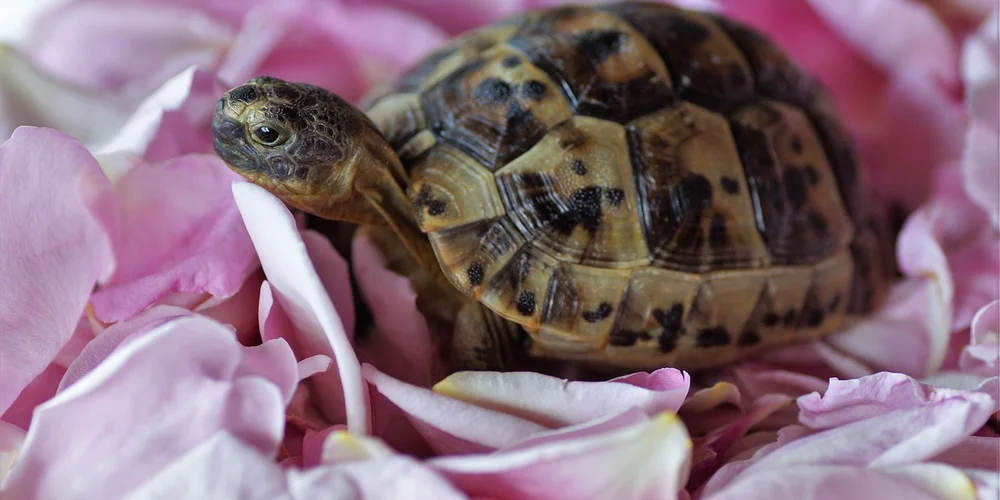
Living with my tortoises has taught me that a consistent routine is the foundation of their well-being. Proactive care prevents most common health issues before they ever start. A predictable schedule reduces stress for both you and your shelled companion.
Recognizing and Preventing Problems
Early detection is your most powerful tool. I learned this the hard way with Orwell, who once showed subtle signs of illness I almost missed.
Watch for these key indicators every day:
- Clear, bright eyes without any swelling or discharge
- A firm, well-shaped shell free of soft spots or discoloration
- Consistent appetite and regular bowel movements
- Active, alert behavior during their normal waking hours
The most common apartment turtle ailments are often preventable.
- Respiratory Infections: Caused by incorrect temperatures or drafts. You will hear wheezing or see mucus around the nostrils.
- Metabolic Bone Disease: Results from insufficient UVB light or poor diet. The shell becomes soft and misshapen.
- Shell Rot: A fungal or bacterial infection from a consistently damp, dirty habitat. Look for pits or a foul smell on the shell.
My weekly health check for Austen and Bronte takes just five minutes. This simple habit has helped me catch minor issues before they became major vet visits. I gently feel their shells, check their eyes and nose, and observe their weight as I handle them.
Legal and Cost Considerations
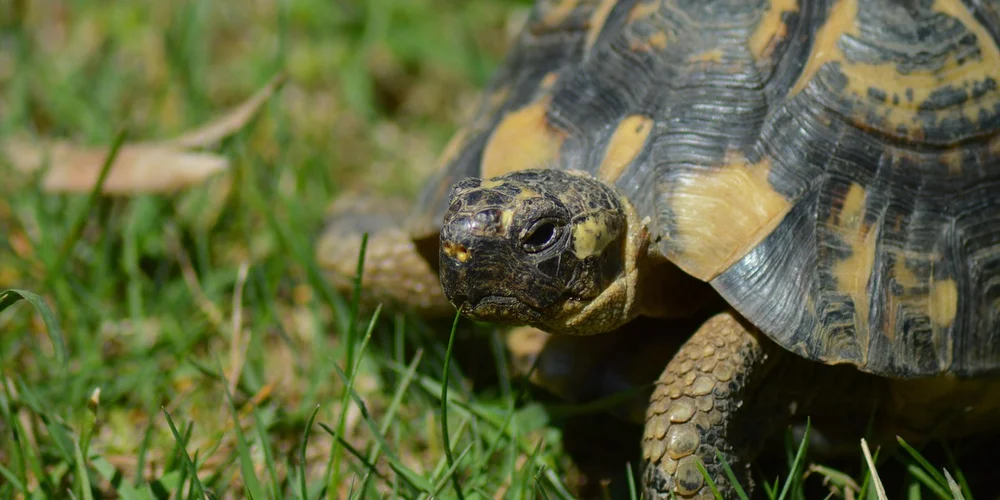
Before you bring a turtle home, you must navigate the practicalities of legality and budget. Ignoring local laws can lead to heartbreaking consequences, including confiscation of your pet. To legally keep a turtle as a pet, check species rules and licensing. I always check regulations first.
Many areas have specific restrictions.
- Some cities or states ban the ownership of certain turtle species, especially those over a specific shell length.
- Turtles with a shell under 4 inches have been federally restricted from sale since 1975 to prevent Salmonella risk in children.
- Always verify requirements with your local fish and wildlife agency. A quick phone call can save you from future trouble.
The initial setup is your biggest investment. Properly equipping a habitat is a one-time cost that pays off in your turtle’s long-term health.
- Enclosure/Tank: $100 – $300
- UVB Lamp and Fixture: $50 – $100
- Basking Lamp and Heat Emitter: $40 – $80
- Substrate, Hides, and Decor: $50 – $100
Do not forget the recurring expenses. These are the silent budget items many new owners overlook.
- High-quality commercial and fresh foods: $20 – $40 per month
- Electricity for lamps and heaters: $10 – $15 added to your monthly bill
- Annual veterinary check-up: $75 – $150
- Replacement UVB bulbs every 6-12 months: $30 – $50
Plan for these costs from the beginning. A well-budgeted turtle owner is a relaxed and happy turtle owner, free from financial surprises. Your foresight ensures a stable home for your new apartment-friendly friend. Hidden costs many first-time turtle owners miss include UVB bulb replacements, heater checks, vet visits, and occasional enclosure upgrades. Being prepared for these ongoing expenses keeps your turtle thriving.
FAQs
How long do apartment turtles live?
Most turtle species suitable for apartments, like Russian tortoise lifespan, can live for several decades with proper care. Their lifespan often ranges from 20 to over 50 years, depending on species and husbandry quality. For Russian tortoises, this longevity means owners should plan for a decades-long commitment. With proper care—diet, UVB lighting, and secure housing—a Russian tortoise can live well into middle age or beyond.
Do apartment turtles require outdoor access?
Apartment turtles do not typically need outdoor access if their indoor habitat meets all environmental needs. However, supervised outdoor time in a secure area can provide enrichment and natural sunlight benefits.
How often should I clean and maintain a turtle enclosure in an apartment?
Perform spot cleaning daily to remove waste and uneaten food to prevent odors and bacteria buildup. Conduct a full enclosure clean, including substrate change or water replacement, every 2-4 weeks based on species and tank size.
Your Perfect Shelled Roommate Awaits
Choosing a compact species like a Russian or Greek tortoise and committing to their specific enclosure needs sets you up for success. A well-planned habitat is the single most important factor for a healthy, happy turtle in an apartment setting.
Remember, bringing any animal into your home is a long-term promise that requires dedication. Your journey as a turtle guardian is one of continuous learning, and your commitment directly shapes their quality of life for decades to come.
Further Reading & Sources
- Easiest Turtles to Care For | Best Pets for Small Apartments | Turtles for 20 Gallon Tanks
- 12 of the Best Pet Turtles and Tortoises for Beginners – PetHelpful
- Keeping tortoises/reptiles in an apartment… | Tortoise Forum
- The Best Small Turtle Pets for Reptile Enthusiasts with Limited Space
Matthew is a dedicated turtle enthusiast and conservationist with over 15 years of experience in reptile care. Known affectionately as "The Leatherback" among his peers, he combines his passion for turtles with a commitment to educating pet owners on responsible turtle care and environmental stewardship.
Terrestrial Turtles