
Which Pet Turtle Species Live the Longest?
Choosing a pet turtle brings up big questions about lifespan, especially since some species can be part of your life for decades-making it a serious, long-term commitment. I’ve shared my home with tortoises like Austen and Bronte for over ten years, and I know firsthand how their steady presence becomes a cherished part of daily life.
In this article, we’ll cover: the top long-lived species, their care essentials, and animal welfare tips for a healthy, happy turtle.
Meet the Longest-Living Pet Turtle Species
Tortoises Known for Extreme Longevity
When people picture a turtle that could outlive them, they’re usually thinking of a tortoise. These land-dwelling giants are the true centenarians of the reptile world. My Russian tortoise, Austen, is a perfect example of a species built for the long haul, with a potential lifespan stretching past 50 years.
- Galapagos Tortoise: The undisputed champion, often living over 100 years and sometimes reaching 150. Their immense size and slow metabolism are key.
- Aldabra Tortoise: A close second, frequently celebrating 100+ birthdays. I’ve seen their gentle, deliberate movements in person, a testament to their paced lifestyle.
- Sulcata Tortoise (African Spurred Tortoise): A more common pet, yet still a powerhouse of longevity, regularly living 70 years or more. They require immense space as they grow.
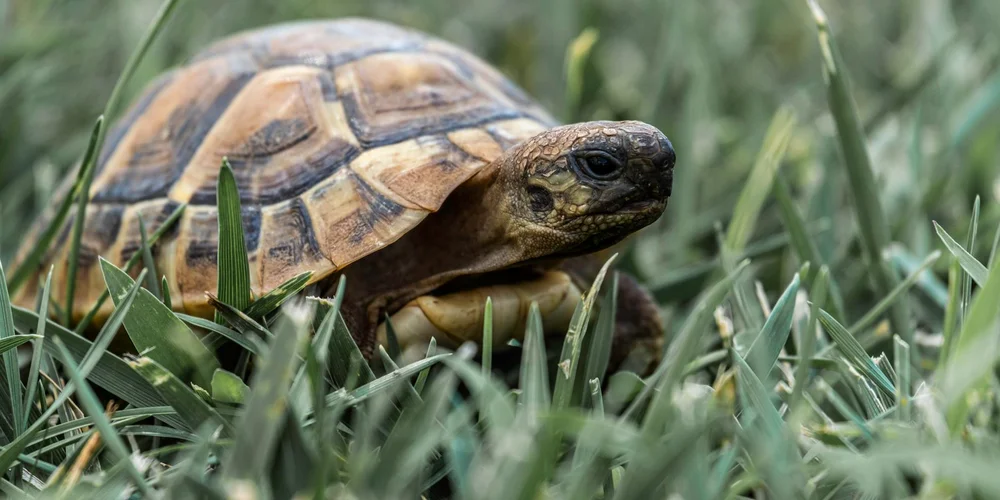
- Greek Tortoise: Like my Bronte, these charming tortoises can easily reach 50 to 90 years with proper care. Their manageable size makes them a popular, long-term commitment.
Freshwater Turtles With Notable Lifespans
While not quite matching the tortoise’s epic timeline, many aquatic turtles are still formidable long-term companions. Proper tank setup and water quality are the cornerstones for unlocking their full lifespan potential. Understanding essential water quality parameters is crucial for a healthy turtle tank. Regular checks on temperature, pH, ammonia, nitrite, nitrate, and oxygen help ensure a thriving habitat. I’ve spent countless hours maintaining filters to ensure a pristine environment.
- Red-Eared Slider: This popular pet can live for 20 to 40 years, sometimes even longer. Their resilience is matched by their need for a large, well-maintained habitat.
- Painted Turtle: A beautiful North American native often living 25 to 30 years. I admire their vibrant markings and active swimming behavior.
- African Sideneck Turtle: With their quirky necks, these turtles can be part of your life for 25 to 50 years. They have specific warmth and dietary needs.
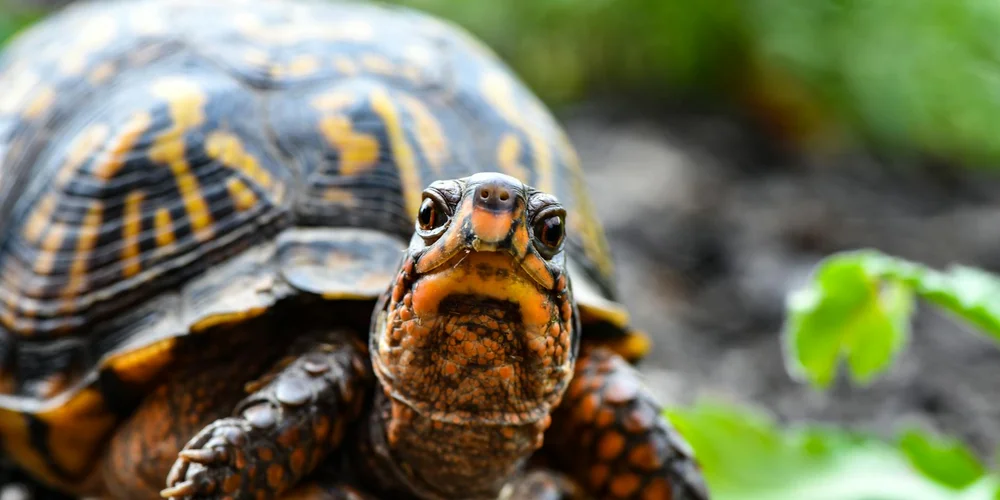
- Box Turtle: Like my semi-aquatic friend Orwell, these terrestrial turtles can live for 30 to 50 years, thriving in a humid, landscaped enclosure rather than a full aquarium.
What Factors Shape a Turtle’s Lifespan?
Diet and Nutrition for Longevity
You truly are what you eat, and for turtles, this directly dictates their vitality and years. A species-appropriate, varied diet is the single most impactful thing you can provide for their long-term health. Nutrition directly shapes shell health—calcium balance and overall diet influence shell strength and growth. Yes, diet and nutrition profoundly impact a turtle’s shell health. I’ve learned through trial and error with my own shelled family.
- Leafy Greens & Vegetables: The staple for many tortoises and omnivorous turtles. I offer Austen and Bronte a daily mix of dandelion greens, endive, and escarole.
- Calcium Supplementation: Non-negotiable for strong shell and bone development. I dust their food with a calcium powder several times a week.
- Limited Fruits & Proteins: Fruits are a rare treat, and protein sources (like worms for Orwell) are offered in strict moderation to prevent organ strain.
- Avoid Processed Foods: Never feed dog food or other inappropriate items. Stick to a natural diet that mimics what they’d find in the wild.
Habitat and Environmental Influences
A turtle’s home is its castle, and the quality of that castle dictates its reign. Replicating their natural environment as closely as possible prevents stress and associated illnesses. Watching my turtles bask contentedly under their lamp confirms I’ve gotten it right.
- Proper Enclosure Size: Cramped spaces lead to stress and stunted growth. An enclosure should allow for ample roaming and exploration.
- Critical Temperature Gradients: A warm basking spot and a cooler area are essential for their ectothermic bodies to regulate metabolism and digestion.
- UVB Lighting: This specific light is not optional; it allows them to synthesize Vitamin D3, which is vital for processing calcium and preventing metabolic bone disease.
- Clean Water & Hiding Spots: For aquatic turtles, a powerful filter is a must. All turtles need secure places to retreat and feel safe, reducing chronic stress.
How Captivity Impacts Turtle Lifespans
Benefits of Captive Care for Longevity
Living with my Russian tortoise, Austen, for over a decade has shown me how captivity can extend a turtle’s life beyond wild expectations. In the wild, threats like predators, harsh weather, and food scarcity cut many lives short. Providing a safe, controlled environment shields your turtle from these dangers and supports a longer, healthier life. You eliminate the stress of finding food or escaping predators, which I’ve seen keep Austen calm and thriving.
- Consistent access to a balanced diet tailored to their species, preventing malnutrition.
- Protection from environmental hazards like extreme temperatures or pollution.
- Regular veterinary care to catch and treat illnesses early, something wild turtles rarely get.
- Reduced risk of injury from accidents or conflicts with other animals.
My Greek tortoise, Bronte, enjoys a steady routine that mimics her natural rhythms without the wild’s unpredictability. This stability reduces stress and promotes overall well-being, helping your turtle live out its full potential.
Challenges in Maintaining Long-Lived Turtles
While captivity offers protection, it comes with its own hurdles. Turtles like my box turtle, Orwell, can live for decades, requiring a commitment that spans much of your life. Long-term care demands consistent effort, from habitat upkeep to adapting to their changing needs as they age. I’ve faced challenges like ensuring Orwell’s enclosure stays stimulating to prevent boredom, which can lead to health issues.
- Financial costs for quality food, habitat upgrades, and unexpected vet bills over many years.
- Time investment for daily feeding, cleaning, and monitoring behavior changes.
- Space requirements, as some species need large enclosures that grow with them.
- Emotional readiness for a pet that might outlive other family members or require rehoming plans.
Bronte’s graceful nature masks how easily small oversights, like improper humidity, can affect her health over time. Staying vigilant and educated helps you navigate these challenges without overwhelming your routine.
Caring for Your Turtle to Maximize Lifespan
Essential Habitat Setup Steps
Setting up the right home is crucial for a long life, and I’ve refined this process through trial and error with my turtles. Start by choosing an enclosure that allows for growth and natural behaviors. A proper habitat mimics their wild environment, reducing stress and encouraging healthy activity. For Austen, I ensured his space had both warm basking spots and cooler areas to regulate his body temperature.
- Select an appropriately sized tank or outdoor pen based on your turtle’s adult size.
- Install a reliable heat source and UVB lighting to support shell and bone health.
- Add substrate like coconut coir or cypress mulch for burrowing and moisture control.
- Include hiding spots and clean water areas for drinking and soaking.
- Monitor temperature and humidity levels daily to keep them within ideal ranges.
With Bronte, I learned that a well-structured habitat prevents common issues like shell rot. Regularly adjusting the setup as your turtle ages ensures it remains a sanctuary, not a constraint.
Routine Health Checks and Vet Visits
Keeping your turtle healthy involves simple, regular checks that I do weekly with Orwell. Early detection of problems can add years to their life. Consistent monitoring lets you spot subtle changes in behavior or appearance before they become serious. Look for signs like lethargy, changes in appetite, or shell discoloration, which I’ve caught early in Austen. I also perform a monthly health check and review the results with the vet to catch longer-term trends. If you notice anything unusual, schedule a vet visit promptly.
- Check eyes, nose, and mouth for discharge or swelling during handling.
- Inspect the shell and skin for cracks, soft spots, or parasites.
- Observe eating and drinking habits to ensure they’re active and hydrated.
- Schedule annual vet visits for professional exams and fecal tests.
Even with gentle handling, Orwell’s reserved personality means I watch for stress cues. Building a relationship with a reptile-savvy vet provides peace of mind and expert guidance for lifelong care.
Common Health Issues in Aging Turtles
Recognizing and Addressing Shell Problems
Shell issues can sneak up on you as turtles age. I’ve seen this firsthand with my Russian tortoise Austen, whose shell started showing subtle pyramiding around year eight. Watch for raised scutes, discoloration, or soft spots, which signal problems like metabolic bone disease or shell rot. Early detection makes a world of difference.
Here’s how to tackle common shell troubles:
- Provide balanced UVB lighting and calcium supplements to prevent deformities.
- Keep the habitat clean and dry to avoid fungal or bacterial infections.
- Consult a reptile vet if you notice persistent changes-delaying can worsen conditions.
With Austen, adjusting his diet to include more leafy greens and reducing protein helped reverse mild pyramiding over time. Regular shell inspections during handling let you catch issues before they escalate.
Managing Age-Related Mobility and Diet Changes
Older turtles often slow down, much like my Greek tortoise Bronte, who became less active after turning ten. You might notice stiffness or difficulty climbing, which could point to arthritis or muscle weakness. Simple tweaks to their environment can ease their movement.
Consider these steps for supporting mobility and diet:
- Add low ramps or smooth substrates to reduce strain on joints.
- Offer softer, chopped foods-Bronte now enjoys finely diced veggies mixed with calcium powder.
- Monitor weight monthly to prevent obesity or malnutrition, common in senior turtles.
Diet shifts are crucial; I gradually introduced high-fiber options for Orwell, my box turtle, to aid digestion as he aged. Small, frequent meals keep energy levels steady without overloading their systems.
Choosing the Right Long-Lived Turtle for Your Home

Evaluating Species for Your Lifestyle
Picking a turtle isn’t just about lifespan-it’s about matching their needs to your daily life. Long-lived species like Russian or Greek tortoises require decades of commitment, so think about space, time, and resources. From my experience, Austen’s steady nature fits busy schedules, while Bronte’s grace appeals to those who enjoy observing subtle behaviors.
Use this list to compare species traits:
- Russian tortoises: Hardy, smaller size, ideal for indoor enclosures.
- Greek tortoises: Similar care, but may need more outdoor space in warm climates.
- Box turtles: Semi-aquatic, requiring varied habitats-Orwell’s setup includes both land and water areas.
Always prioritize species that align with your ability to provide consistent care over their full lifespan. Animal welfare means avoiding impulse choices that lead to neglect.
Adoption vs. Purchase Considerations
Deciding where to get your turtle involves weighing ethics and practicality. I advocate for adoption because it gives older turtles like Orwell a loving home and reduces overbreeding. Rescue centers often have turtles needing second chances, and you can learn about their health history upfront. For beginners, a beginner’s guide comparing adult turtle versus hatchling guide can help set realistic expectations about time, cost, and care. It can also weigh the benefits of rescuing an adult with established personalities against the demands of raising a hatchling.
Here’s a quick comparison to guide your choice:
- Adoption: Supports animal welfare, often includes vet checks, but may come with pre-existing health issues.
- Purchase from reputable breeders: Ensures young, healthy turtles, but requires research to avoid unethical sources.
When I adopted Orwell, his reserved personality blossomed with patience and proper care. Whichever route you take, commit to lifelong responsibility-these creatures depend on you for decades.
FAQs
How does keeping a turtle in a tank affect its lifespan?
A well-maintained tank with proper filtration and space can support a long, healthy life for aquatic turtles. However, cramped or dirty tanks may lead to stress and disease, shortening their lifespan.
What is the average lifespan of a pet turtle kept indoors?
Indoor turtles often live longer due to controlled environments, with many species reaching 20-50 years depending on care. Consistent temperature, lighting, and diet indoors help maximize their potential lifespan and growth.
Do female turtles live longer than males?
In many species, females may live slightly longer due to reduced stress from breeding behaviors, but genetics and care play bigger roles. Providing a balanced habitat and diet is key for any turtle’s longevity, regardless of gender. Understanding why turtles have long lifespans can help you provide better care for them.
What do Reddit communities say about pet turtle lifespans?
Reddit users often share that proper setup and commitment are crucial for turtles to reach their full lifespan, based on collective experiences. They emphasize researching species-specific needs to avoid common mistakes that shorten lives. When choosing a turtle, key factors to consider include climate suitability, adult size, and long-term care requirements. These factors help you pick a species that fits your living space and daily routine.
How long do aquatic turtles typically live in water-based habitats?
Aquatic turtles in optimal water habitats can live 20-40 years or more with clean water and UVB lighting. Regular water changes and a varied diet help prevent issues like shell rot, supporting a full lifespan. As turtles age, their needs may change. Regular veterinary checkups and adjustments to care can help maintain health across a long lifespan. For more information on turtle aging, visit this link.
Your Turtle’s Lifelong Journey
Choose turtle species known for longevity, such as Russian or Greek tortoises, to enjoy decades of companionship. From caring for my own tortoises like Austen and Bronte, I’ve seen how their steady growth thrives with consistent habitat and diet tailored to their needs.
Commit to responsible pet ownership by prioritizing your turtle’s welfare through regular vet check-ups and enriched environments. Stay curious and keep learning about turtle care, as each species, like my reserved Orwell, has unique needs that evolve over their long lives. You can start here to understand the basics of caring for both land and aquatic turtles.
Further Reading & Sources
- How Old Is the World’s Oldest Turtle? 5 Turtles that Survived for Centuries – A-Z Animals
- Top 5 longest living turtles in the world that span centuries
- Jonathan (tortoise) – Wikipedia
- 10 Oldest Sea Turtles in the World – Oldest.org
Matthew is a dedicated turtle enthusiast and conservationist with over 15 years of experience in reptile care. Known affectionately as "The Leatherback" among his peers, he combines his passion for turtles with a commitment to educating pet owners on responsible turtle care and environmental stewardship.
Unusual Turtle Species