
Aquatic vs. Terrestrial Turtle Ownership: Comparing the Daily Care Routines
Published on: March 20, 2026 | Last Updated: March 20, 2026
Written By: Matthew The
Choosing between an aquatic and terrestrial turtle can stir up concerns about daily time, costs, and whether you’re ready for the commitment each demands.
Based on my decade with terrestrial turtles like Austen and Bronte, I’ve seen how their gentle pace differs from aquatic life, and I’m here to ease your decision.
We’ll explore habitat needs, feeding schedules, cleaning routines, health monitoring, and time investments for both types.
Understanding Aquatic and Terrestrial Turtle Basics
Aquatic and terrestrial turtles lead vastly different lives, and understanding their core traits helps you provide better care. I’ve spent years observing how water-loving species like red-eared sliders contrast with land-dwellers like my Russian tortoise Austen, and these differences shape everything from their daily movements to enclosure setups.
- Aquatic turtles rely heavily on water for swimming, feeding, and resting, while terrestrial species prefer dry land for walking, digging, and basking.
- Behaviorally, aquatic turtles are often more active swimmers, whereas terrestrials like my Greek tortoise Bronte exhibit slower, deliberate movements on solid ground.
- Habitat needs vary widely: aquatic setups require large tanks with filtration, while terrestrial enclosures focus on substrate depth and hiding spots.
- Common aquatic species include red-eared sliders and painted turtles, known for their vibrant colors and energetic nature.
- Terrestrial examples encompass tortoises like Austen and Bronte, plus box turtles such as Orwell, who display curious, land-based behaviors.
Aquatic Turtles
Aquatic turtles thrive in water-rich environments where swimming is a daily necessity. In my experience, species like red-eared sliders need spacious tanks-at least 10 gallons per inch of shell-to support their active lifestyles.
They spend hours gliding through water, which aids in exercise and temperature regulation. Proper filtration is non-negotiable to keep their habitat clean and prevent health issues.
- Daily routines involve basking on rocks or logs to dry off and absorb UVB light.
- Tank setups should include a water area deep enough for diving and a dry basking zone.
- Water-based activities like chasing live prey or exploring decorations mimic their natural instincts.
Terrestrial Turtles
Terrestrial turtles, such as tortoises and box turtles, are built for life on land with sturdy legs and often domed shells. My box turtle Orwell delights in digging burrows to escape heat or hide, a behavior I encourage with loose substrate in his enclosure.
They require enclosures with ample floor space, secure boundaries, and varied terrain for climbing and exploring. Ground-level routines include foraging for food and sunbathing, which helps regulate their body temperature and mood.
- Enclosures need a mix of dry areas, moist hides, and vegetation to simulate their natural habitats.
- Behaviors like digging and slow wandering promote mental stimulation and physical health.
- Land-dwelling nature means they rarely swim, so water dishes should be shallow to prevent accidents.
Daily Feeding Schedules and Diet Differences

Feeding routines for turtles vary by type, impacting their health and energy levels. Based on my care for both aquatic and terrestrial species, I’ve found that diet consistency and nutrient balance prevent common issues like shell deformities.
- Aquatic turtles typically eat daily or every other day, with diets rich in protein from pellets and live food.
- Terrestrial turtles often follow a less frequent schedule, focusing on fibrous greens and occasional fruits.
- Calcium supplementation is vital for both; I use cuttlebone or powdered supplements to support strong shells.
- Safe food lists include dark leafy greens for terrestrials and aquatic plants for water-dwellers, avoiding toxic items like avocado.
Aquatic Turtle Diet
Aquatic turtles consume most of their meals in water, which helps with digestion and mimics wild feeding habits. I feed my aquatic turtles a mix of high-quality pellets, leafy greens like romaine, and occasional live prey such as feeder fish to encourage natural hunting. I also offer a rotating mix of live foods and chopped vegetables, alongside the pellets. This balanced approach mirrors their natural diet and keeps meals engaging.
Water-based feeding means food should sink or float appropriately to prevent waste buildup. Overfeeding can pollute their tank, so I stick to portions they finish within 15 minutes.
- Sample schedule: Offer pellets in the morning, followed by vegetables in the afternoon.
- Frequency: Juvenile turtles eat daily, while adults may eat every other day.
- Options include commercial turtle pellets, blanched veggies, and small insects for variety.
Terrestrial Turtle Diet
Terrestrial turtles graze on land-based foods, with diets shifting seasonally to match natural availability. My tortoises Austen and Bronte enjoy a rotation of dandelion greens, squash, and berries, which I supplement with calcium to avoid metabolic bone disease.
Land feeding routines involve placing food in shallow dishes or scattered to promote foraging. Seasonal variations mean I include more fruits in summer and hardy greens in winter, always monitoring for overripe items that could cause digestive upset.
- Sample schedule: Provide fresh greens in the morning, with insects or fruits twice a week.
- Frequency: Adults eat every 1-2 days, while juveniles may need daily meals.
- Options include collard greens, carrots, mealworms, and safe flowers like hibiscus.
Habitat Setup and Enclosure Layout
Creating the right home is your first step toward a happy, healthy turtle. The fundamental difference lies in their relationship with water: aquatic turtles need a mostly aquatic environment, while terrestrial turtles require a carefully controlled land habitat. I learned this the hard way when I first set up an enclosure, realizing that what works for one type can be completely wrong for the other.
Aquatic Habitat Requirements
An aquatic turtle’s tank is a miniature ecosystem. You are building a self-contained world where water quality is the single most important factor for their health. From my years with aquatic species, neglecting this leads to shell rot and other preventable illnesses.
- Select Your Tank. A good rule is 10 gallons of water per inch of shell length. For two turtles, you need to add their lengths together and calculate from there.
- Install Filtration. Use a canister filter rated for 2-3 times your tank’s water volume. Turtles are messier than fish, so you need the extra power.
- Set Water Depth. The water should be deep enough for your turtle to swim freely and flip over easily if it rolls onto its back. A depth of 1.5 to 2 times their shell length is a safe start.
- Create the Basking Area. This dry platform must be large enough for the turtle to completely leave the water and dry off. Anchor it securely so it doesn’t tip.
- Add Final Touches. Use large, smooth river rocks as a substrate to avoid impaction risk. Include aquatic plants and a hiding spot to reduce stress.
Terrestrial Enclosure Design
Terrestrial enclosures focus on replicating a slice of their natural landscape. Your goal is to provide a secure space that allows for natural behaviors like digging and burrowing. My tortoise, Austen, spends hours methodically rearranging his substrate, which is a sign of a contented animal.
- Enclosure Size: A 40-gallon breeder tank is a minimum for a young turtle. For adults, custom-built wooden tortoise tables or outdoor pens are far superior.
- Substrate Depth: Provide a substrate layer at least 3-4 inches deep. A mix of organic topsoil, coconut coir, and cypress mulch holds burrows well and maintains humidity.
- Humidity Control: For most species, aim for 40-60% humidity. You can achieve this by misting the enclosure daily and providing a humid hide box packed with damp sphagnum moss.
- Shelter Placement: Offer at least two hides-one on the warm end and one on the cool end. This gives your turtle options to thermoregulate and feel safe.
- Outdoor vs. Indoor: A secure outdoor enclosure is fantastic during warm months, providing natural sunlight and grazing. Always ensure it is predator-proof with buried walls and a covered top.
Lighting, Heating, and Environmental Controls
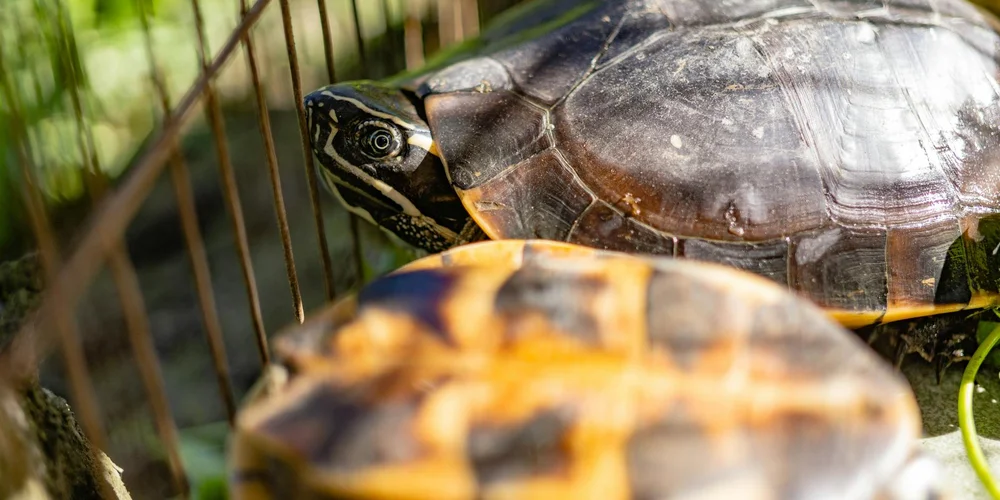
Think of lighting and heating as the sun inside your home. Proper environmental controls are not optional; they are the bedrock of turtle metabolism, shell health, and overall vitality. I keep a digital thermometer/hygrometer in each of my enclosures, and checking them is as routine as my morning coffee.
| Requirement | Aquatic Turtles | Terrestrial Turtles |
|---|---|---|
| UVB Lighting | 10-12 hours daily; tube bulb spanning 2/3 of enclosure | 10-12 hours daily; tube bulb over main activity area |
| Basking Temperature | 90-95°F (32-35°C) | 95-100°F (35-38°C) |
| Ambient Temperature | 75-80°F (24-27°C) | 75-85°F (24-29°C) |
| Humidity Level | N/A (maintained via water) | 40-60% (species-dependent) |
UVB and Basking Essentials
UVB light allows turtles to produce vitamin D3, which is critical for absorbing calcium. Without it, even a perfect diet is useless, and metabolic bone disease is a likely outcome. I replace my UVB bulbs every 6-9 months, as their output degrades long before the light burns out. That’s why UVB lighting is critical in a turtle setup. A proper setup—bulb type, distance, and basking spot—lets them metabolize calcium effectively.
- Choose the Right UVB. For most turtles, a ReptiSun 10.0 or Arcadia 12% linear fluorescent bulb is ideal. Avoid compact coil bulbs; they are insufficient.
- Position the Lights. The UVB and basking lamp should be placed directly over the basking spot, no more than 12 inches away for optimal effect.
- Set the Temperature. Use a basking bulb (a simple halogen floodlight often works well) to create a hotspot within the species-specific range. Always monitor with a digital thermometer.
- Establish a Light Cycle. Use a timer to provide 12 hours of light and 12 hours of darkness. This consistent cycle mimics natural conditions and reduces stress.
Temperature and Humidity Management
Creating a temperature gradient is non-negotiable. Your turtle needs a warm area to digest food and a cooler area to retreat to, allowing it to regulate its own body temperature. I use ceramic heat emitters for nighttime warmth since they provide heat without light. That brings us to nighttime heat management—do turtles need it? Yes, keep a steady, gentle warmth at night without bright light.
- Ideal Ranges: For aquatic tanks, water temperature should be maintained around 75-80°F with an aquarium heater. For terrestrial enclosures, the cool end can dip to 70°F at night.
- Using Monitors: Digital probe thermometers and hygrometers are essential. The stick-on analog dials are notoriously inaccurate and should be avoided.
- Making Adjustments: If humidity is too low, add a larger water dish or mist more frequently. If it’s too high, increase ventilation. For temperature, adjust wattage or raise/lower the lamp.
- Seasonal Care: In winter, indoor air becomes drier. You may need to mist terrestrial enclosures twice a day. In summer, ensure outdoor pens have shaded areas to prevent overheating.
Health Monitoring and Sanitation Routines
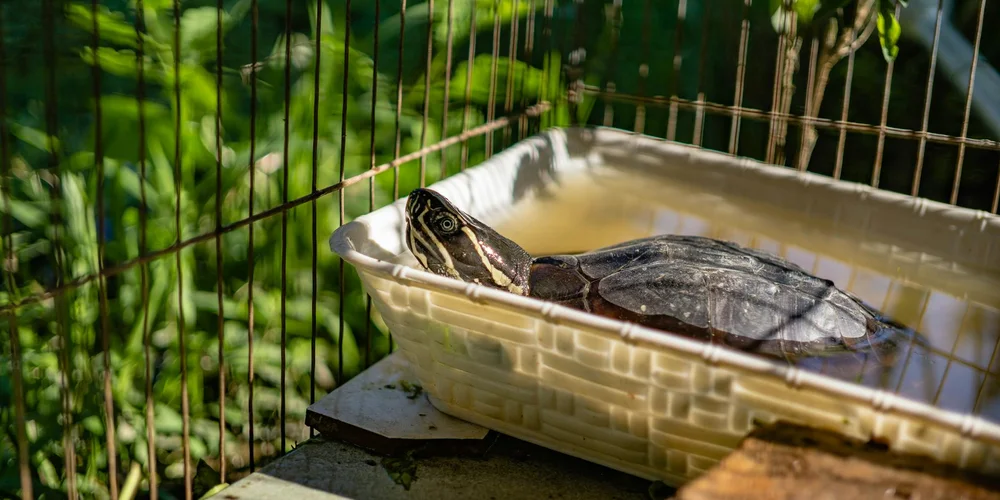
Keeping a close watch on your turtle’s health is a daily practice that builds a strong bond and prevents major issues. I’ve found that a consistent routine is your best defense against common ailments like shell rot or respiratory infections. My own tortoise, Bronte, once had a small spot on her shell that I caught early, saving us both from a stressful vet visit later. So, what should you watch for? The most critical pet turtle health issues to watch are shell changes, breathing trouble, appetite loss, and changes in activity.
Daily Health Checks
Spend a few quiet moments each day observing your turtle from a distance before any interaction. This passive observation tells you more about their true well-being than any hands-on exam.
- Shell Inspection: Look for any soft spots, discoloration, pits, or cracks. A healthy shell is hard and uniform.
- Eyes and Nose: Eyes should be clear and bright, not swollen or sunken. There should be no bubbling or mucus from the nostrils.
- Behavior and Appetite: Note their energy levels. Is your turtle active and alert? Are they eating with their usual enthusiasm?
Cleaning and Water Quality
Sanitation differs greatly between turtles that live in water and those that live on land. For aquatic turtles, water quality is everything; it’s the very air they breathe and drink. Neglecting it is the fastest way to make them sick.
- Aquatic Tanks: Perform a 25% water change weekly. Use a gravel vacuum to remove waste from the substrate. Test water parameters for ammonia, nitrite, and nitrate every few days.
- Filtration: Your filter should be rated for 2-3 times the volume of your tank. Rinse filter media in old tank water during water changes to preserve beneficial bacteria.
- Terrestrial Enclosures: Spot clean daily, removing feces and uneaten food. Do a full substrate change every 4-6 weeks, or more frequently if you notice odor.
My Russian tortoise, Austen, taught me that a clean, dry substrate is the key to preventing shell rot in land-dwelling species. A damp, dirty environment is an invitation for fungus and bacteria.
Enrichment and Safe Handling Practices
Turtles are far more intelligent and curious than many people assume. Providing enrichment isn’t a luxury; it’s a core part of ethical pet ownership that prevents boredom and encourages natural behaviors. Seeing my box turtle, Orwell, solve a simple puzzle for a treat is one of the most rewarding parts of my day.
Enrichment Ideas
Think like a turtle! What would interest them in the wild? Enrichment should engage their senses and their instincts.
- Foraging Games: Hide their favorite greens or a few pieces of fruit around the enclosure for them to find.
- Habitat Variations: Rearrange their decor, add a new, turtle-safe plant, or create a small hill with substrate.
- Obstacles: For terrestrial turtles, add flat rocks or pieces of wood to climb over.
- Aquatic Toys: A ping pong ball floating in the water can provide hours of investigative pushing for an aquatic turtle.
Handling and Interaction
Turtles are not cuddly pets, and most do not enjoy being handled. Respecting their space is the kindest thing you can do. When handling is necessary, for health checks or tank cleaning, follow these gentle methods. For first-timers, here are 5 critical mistakes to avoid when handling your pet turtle.
- Always approach from the front and low to the ground so you don’t appear as a predator.
- Support their entire body from underneath. Never pick them up by the sides of their shell.
- Keep handling sessions short, ideally less than 10-15 minutes, to minimize stress.
- Always wash your hands before and after contact to protect both you and your turtle.
I’ve learned that the best interactions often happen when my hands are in the enclosure for cleaning or feeding, not for grabbing. This builds trust and allows them to come to me on their own terms.
Choosing the Right Turtle for Your Lifestyle

Picking between an aquatic or terrestrial turtle starts with honestly evaluating your daily life and resources. Your choice impacts everything from your morning routine to long-term happiness for both you and your shelled friend. I’ve cared for my terrestrial trio-Austen, Bronte, and Orwell-for years, and their steady presence has taught me how land-based turtles fit into a busy schedule, while aquatic species demand more hands-on water management.
Use this quick checklist to compare the daily maintenance demands of aquatic versus terrestrial turtles:
- Feeding: Aquatic turtles often need daily feeding with varied diets including pellets and live food, while terrestrial ones like my Russian tortoise Austen thrive on fresh greens every other day.
- Cleaning: Aquatic setups require frequent water changes and filter checks to prevent odors, whereas terrestrial enclosures need weekly spot-cleaning of substrate and occasional deep cleans.
- Space: Aquatic turtles need large tanks with swimming room, but terrestrial species like Bronte, my Greek tortoise, enjoy spacious outdoor pens or indoor habitats with hiding spots.
- Time Commitment: Aquatic care can take 15-30 minutes daily for feeding and water quality, while terrestrial routines are often simpler, with Orwell, my box turtle, needing just a few minutes for food and checks.
- Health Monitoring: Both types require regular vet visits, but aquatic turtles are prone to shell rot from poor water, and terrestrials need humidity and temperature checks to avoid respiratory issues.
Think about acclimation and long-term care from day one to ensure a smooth transition and a thriving pet. Starting with the right setup prevents stress and health problems down the road. For instance, when I brought home Orwell, I learned that gradual introductions to new environments reduce anxiety and build trust over time.
Lifestyle Assessment
Ask yourself these questions to see if a turtle fits your daily rhythm. Your answers will reveal whether an aquatic or terrestrial companion suits your energy and schedule. I reflect on my own life with Bronte-her graceful pace matches my calm mornings, but an aquatic turtle might have clashed with my limited time for tank upkeep.
- How much time can you dedicate to feeding each day? Aquatic turtles often need daily attention, while terrestrials might eat less frequently.
- Do you have space for a large tank or enclosure? Aquatic setups demand more floor area, but terrestrials can thrive in smaller, customized habitats.
- Are you prepared for regular cleaning tasks? Water changes for aquatics or substrate cleaning for terrestrials require consistency to maintain hygiene.
- Can you commit to long-term care, including potential vet visits and habitat upgrades as the turtle grows?
- How does your routine handle unexpected changes? Turtles, like Austen, value stability, so a flexible yet reliable schedule is key.
Animal welfare hinges on matching your lifestyle to their needs. Overcommitting can lead to neglect, so choose a turtle that enhances your life without overwhelming it. My experience with Orwell showed me that even reserved turtles flourish when their care aligns with your daily habits.
Acclimation and Long-Term Care
Introducing a new turtle to your home requires patience and a step-by-step approach. Gradual adjustment helps them feel secure and minimizes health risks. When Austen joined my family, I followed these steps to ensure his gentle nature wasn’t overshadowed by stress.
- Set up the habitat in advance with proper heating, lighting, and hiding spots to mimic their natural environment.
- Place the turtle in its new enclosure and limit handling for the first few days to reduce anxiety.
- Monitor behavior closely-look for signs of eating, exploring, or hiding, which indicate how they’re adapting.
- Maintain a consistent routine for feeding and cleaning to build trust and predictability.
- Schedule a vet check-up within the first week to catch any early health issues.
Long-term care involves ongoing attention to diet, environment, and social needs. Regular updates to their habitat, like enlarging enclosures as they grow, support a fulfilling life. With Bronte, I’ve seen how thoughtful care over years fosters a graceful, thoughtful companion who ages beautifully.
Advocate for your turtle’s well-being by planning for their entire lifespan. Commit to lifelong learning and adjustments, as each turtle, like my intelligent Orwell, has unique preferences that evolve with time.
Common Questions
Do turtles need UVB lighting and for how long each day?
Yes, both aquatic and terrestrial turtles require UVB lighting to synthesize vitamin D3 and properly metabolize calcium. You should provide 10-12 hours of UVB light daily, controlled by a timer to mimic a natural day/night cycle. When diagnosing your turtle’s habitat, include lighting, heat, and water in your checklist to ensure the setup meets the species’ needs.
What filtration is recommended for turtle tanks?
A canister filter is highly recommended for aquatic turtle tanks because it provides superior mechanical, chemical, and biological filtration. The filter should be rated for 2-3 times the total volume of your tank to handle the significant waste turtles produce. When comparing canister versus internal filters for turtle habitats, consider maintenance needs, space, and flow rate to determine which option fits your setup. In many cases, canisters suit larger or heavily stocked tanks, while internal filters work well for smaller, simpler setups.
How to prevent shell rot and shell problems in turtles?
Prevent shell rot by ensuring aquatic turtles have a dry, properly heated basking area to completely dry their shell and terrestrials are kept on clean, dry substrate. A balanced diet rich in calcium and regular, gentle shell inspections are also crucial for early detection of any issues. Many beginners make the mistake of not providing a fully dry basking area or keeping substrate damp, which can lead to shell rot. This is why 9 beginner mistakes that can cause shell rot turtles focuses on proper setup and routine care to prevent these problems.
How to handle turtles safely during care?
Always handle turtles gently by supporting their entire body from underneath, and never pick them up by the sides of their shell. Keep handling sessions brief and infrequent to minimize stress, and always wash your hands thoroughly both before and after contact, especially when caring for a pet box turtle.
How to provide enrichment for turtles?
Provide enrichment by creating foraging opportunities, such as hiding food items for terrestrials or using floating food toys for aquatics. Regularly rearranging tank or enclosure decor and adding new, safe obstacles can also stimulate their natural curiosity and encourage exploration.
Your Turtle Care Journey Ahead
Choosing between aquatic and terrestrial turtles hinges on matching their daily routines to your lifestyle, from water maintenance for aquatics to land-based setups for species like my steady Russian tortoise Austen. I’ve found that consistency in feeding, cleaning, and habitat checks makes all the difference in keeping them healthy and content.
Commit to being a lifelong learner about turtle care, as their needs can evolve with age and environment. By prioritizing their welfare and staying informed, you’ll build a rewarding bond that grows stronger each day.
Further Reading & Sources
- The Dos and Don’ts of Turtle Care – PetHelpful
- Aquatic Turtle Care Sheet | PetMD
- How to Take Care of Your Pet Turtle | Greensboro Vet | Guilford-Jamestown Veterinary Hospital
- General Care of Aquatic Turtles – CHICAGO EXOTICS ANIMAL HOSPITAL
Matthew is a dedicated turtle enthusiast and conservationist with over 15 years of experience in reptile care. Known affectionately as "The Leatherback" among his peers, he combines his passion for turtles with a commitment to educating pet owners on responsible turtle care and environmental stewardship.
Regular Cleaning Routines