
Monthly Turtle Health Check: What to Look For and When to See a Vet
Worrying about your turtle’s health is completely normal, especially since these quiet creatures often hide discomfort until issues become serious-I’ve felt that same concern while caring for my tortoises Austen, Bronte, and Orwell over the years.
This article covers monthly check-up steps, red flags for vet visits, and preventive care tips to keep your shelled friend thriving.
Preparing for Your Turtle’s Monthly Health Assessment
Before you begin, gather your supplies. I keep a small health-check kit with a digital kitchen scale, a soft-bristled toothbrush, a magnifying glass, and a dedicated notebook. Creating a calm environment is the most critical step for an accurate assessment. Choose a quiet time of day when your turtle is typically alert, like mid-morning after they have warmed up.
Gently place a small, damp towel on your work surface to provide secure footing. Wash your hands thoroughly before and after handling. Your turtle will pick up on your calm and steady energy, making the entire process smoother for both of you. I always talk softly to my tortoises, Austen and Bronte, throughout the check to keep them reassured.
Step-by-Step Body Inspection Guide

Follow this sequence to ensure you do not miss any important details. Work methodically and gently.
Monitoring Weight and Appetite Changes
I weigh my turtles monthly using a digital scale and a small, shallow container. A steady, appropriate weight is one of the clearest indicators of good health. A sudden drop can signal illness, while unexpected gains might point to dietary issues.
- Record the weight in your notebook to track trends over time.
- Note any changes in their typical appetite. Is Bronte, who usually devours her dandelion greens, suddenly ignoring them?
- Be mindful of seasonal variations; some species naturally eat less during cooler months.
Assessing Shell Condition and Integrity
Run your fingers gently over the entire shell, both the carapace (top) and plastron (bottom). You are feeling for any unusual soft spots, flaking, or pits that shouldn’t be there. The shell should feel solid and firm, like a well-polished stone.
- Look for symmetrical growth. New growth appears as lighter-colored bands between the scutes.
- Check for cracks, wounds, or discolored patches, which can indicate infection or injury.
- Use the soft toothbrush with water to gently clean the shell and get a better look at the texture.
Checking Eyes, Nose, and Mouth Health
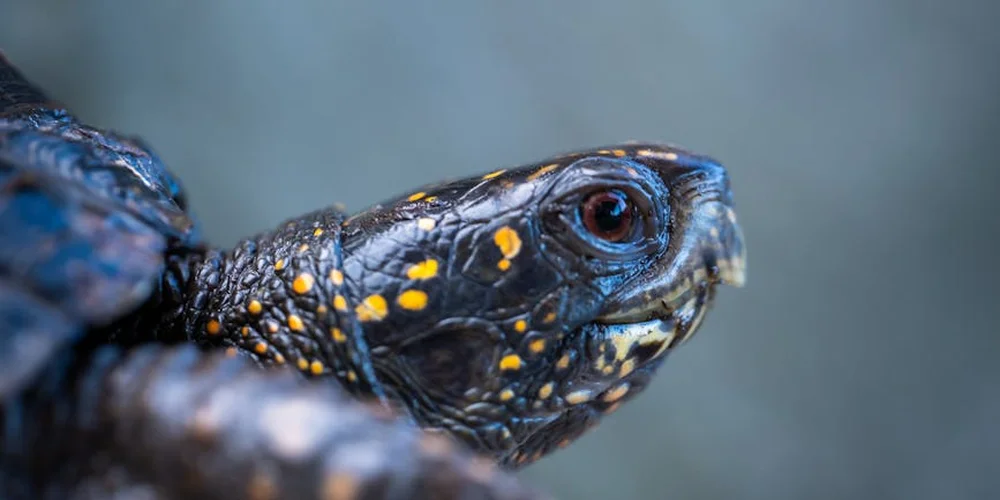
The eyes should be clear, bright, and fully open, without any swelling or discharge. Sunken or persistently closed eyes are a red flag that demands immediate attention. Gently check the nostrils for any bubbles or mucus, which can be a sign of a respiratory infection.
- Peek inside the mouth; the interior should be a healthy pink, not pale or showing cheesy-looking patches.
- Ensure the beak is not overgrown or misshapen, preventing proper eating.
Inspecting Skin, Scales, and Hydration Status
Examine the skin on the legs, neck, and tail. Healthy skin is supple and free of sores, red spots, or patches of stuck shed. Gently pinch a small fold of skin on the neck or leg; it should snap back quickly. Slow retraction can be a sign of dehydration.
- Look between the scales for any tiny moving dots, which could be mites.
- The skin should not have a slimy or fuzzy appearance, which indicates fungal or bacterial issues.
Observing Behavior and Activity Levels
This part of the check happens before, during, and after the physical exam. Your turtle should be responsive to your presence and able to move with their normal, purposeful coordination. Note any significant changes from their baseline personality. If your turtle is acting strange, this section helps identify why by focusing on behavior. Use these observations as part of a quick behavioral diagnostic checklist to guide your veterinarian.
- Is Orwell, who is usually reserved, now unusually lethargic and hiding all day?
- Conversely, is there frantic, aimless swimming or climbing?
- Listen for any wheezing, clicking, or other unusual sounds when they breathe.
Evaluating Environmental and Behavioral Cues
Monitoring Basking Behavior and Light Exposure
Your turtle’s relationship with its basking spot tells a profound story about its health. Understanding why they spend so much time basking helps explain their daily rhythms and health. A turtle that never basks is a major red flag, often signaling an inability to thermoregulate or a potential respiratory infection. Basking isn’t laziness—it’s how they regulate body temperature, absorb UVB, and keep their shells healthy. I’ve watched my Russian tortoise, Austen, spend his mornings methodically warming his shell, and I know his schedule like clockwork.
A healthy turtle will have a predictable routine of hauling out to dry completely under its heat and UVB lamps. Make sure the basking area temperature is species-specific, typically between 90-95°F. The UVB bulb is non-negotiable for shell and bone health, but its invisible rays diminish long before the light bulb burns out. Replace UVB bulbs every 6-12 months, as the manufacturer directs, to prevent metabolic bone disease. When diagnosing your turtle’s habitat, run through a quick lighting, heat, and water checklist to verify you have the perfect setup. Keeping notes on basking spot temps, UVB intensity, and water parameters helps you maintain the ideal environment.
Tracking Hydration and Enclosure Conditions
Proper hydration is about more than just a water dish. It’s about the entire atmosphere of their home. I check my turtles’ enclosures daily for humidity levels, which vary by species. A box turtle like Orwell needs more ambient moisture than my Greek tortoise, Bronte. Ensuring the right humidity levels in a terrestrial turtle habitat is crucial for their health.
Consistently dry, flaky skin or sunken eyes can be a clear sign of chronic dehydration. Ensure your turtle has constant access to fresh, clean water deep enough for soaking. Beyond humidity, perform a quick weekly audit of the entire habitat. Is the substrate clean and dry in sleeping areas? Is there any mold growth? A pristine environment is your first and most powerful line of defense against illness.
Recognizing Signs of Illness and Emergency Situations
Identifying Respiratory and Shell Issues
Turtles are stoic creatures; they hide their pain until they can no longer. Early warning signs can be subtle—think slight nasal discharge, mouth-breathing, or a reduced appetite. Respiratory infections are a common and serious threat. Listen closely. Any wheezing, gurgling sounds, or bubbles from the nose or mouth mean you need a vet, immediately. Lethargy and a loss of buoyancy in the water often accompany these symptoms.
Run your fingers over your turtle’s shell; it should feel solid and smooth, not soft or flexible. Pay close attention to the plastron (the bottom shell). Any soft spots, discolored patches, or a foul, rotten smell indicate shell rot or other health issues. Pyramiding, where scutes grow upward in pyramid-like shapes, is a sign of long-term dietary or environmental problems that need correcting.
Noting Appetite, Weight, and Stool Changes
A change in eating habits is one of the most telling signs something is wrong. A complete loss of appetite for more than a few days is a definite cause for concern. Conversely, a sudden, ravenous hunger can also signal problems like parasites.
Weigh your turtle monthly using a digital kitchen scale; a steady, unexplained weight loss is a silent alarm bell. Keep an eye on their stool, too. Healthy turtle poop is firm and well-formed. Watery, unusually colored, or parasite-ridden stool needs a veterinarian’s diagnosis. I once noticed stringy, white material in Bronte’s waste, which turned out to be urates, a normal part of their waste elimination, but it taught me the importance of knowing what ‘normal’ looks like for your specific pet. Understanding turtle digestion and why they pee and poop the way they do helps you read waste patterns and spot problems early. These patterns can guide you on hydration, diet, and when to seek a veterinarian.
When to Seek Veterinary Care: Guidelines and Scenarios

Even with the best care, turtles can get sick. Knowing the difference between a minor issue and a true emergency can save your turtle’s life. I learned this the hard way when Bronte stopped eating for a week, a sign I initially dismissed as simple pickiness.
Clear Emergency Signals
If you see any of these signs, contact an exotic vet immediately. Do not wait.
- No movement or unresponsive when touched.
- Obvious injury, like a cracked shell or bleeding.
- Prolapsed tissue (something pink or red protruding from the vent).
- Struggling to breathe, often seen as gasping or wheezing.
- Floating sideways or unevenly in the water, unable to submerge.
Common Illness Warning Signs
These symptoms require a scheduled vet visit within a day or two. They indicate an underlying health problem that needs professional diagnosis.
- Runny nose, bubbly nostrils, or frequent mouth breathing (signs of a respiratory infection).
- Persistent lack of appetite for more than a few days.
- Swollen eyes that remain closed.
- Soft, discolored, or smelly areas on the shell.
- Unexplained weight loss.
- Lethargy that lasts more than 24 hours.
Preventative Care and Routine Maintenance Tips

Prevention is the kindest medicine. A consistent routine builds a foundation for a long, healthy life, saving you and your shelled friend from future stress. My trio, Austen, Bronte, and Orwell, thrive on the predictability of their care.
Daily and Weekly Habits
These small actions add up to create a stable environment.
- Daily: Check that all heating and UVB lights are functioning. These are non-negotiable for their metabolism and shell health.
- Daily: Remove any uneaten food after 15-20 minutes to keep the water clean.
- Weekly: Perform a partial water change and scrub the tank walls to control algae and waste buildup.
- Weekly: Offer a variety of leafy greens, not just commercial pellets, to ensure a balanced diet.
Essential Long-Term Practices
Think of these as the pillars of your turtle’s wellbeing.
- Provide a proper basking area with a heat lamp where the shell can become completely dry.
- Use a high-quality water filter rated for at least twice the volume of your tank.
- Dust their food with a calcium supplement (without phosphorus) twice a week.
- Soak your turtle in shallow, lukewarm water for 15-20 minutes weekly to encourage hydration and bowel movements.
Your attentive care is the single most important factor in your turtle’s health. By combining these preventative steps with a watchful eye, you become the best advocate for your pet’s silent, steady life. Are you watching for the most critical turtle health issues? By regularly noting changes in appetite, activity, breathing, and shell appearance, you can catch problems early and seek timely veterinary care.
FAQs
Are there any unusual lumps or swelling?
Gently feel your turtle’s body for any abnormal bumps or swellings during the monthly health check. If you find any, consult a veterinarian as it could indicate an infection, abscess, or other health issue.
Is the cloaca clean and free of discharge?
The cloaca should be clean, dry, and free of any discharge, redness, or swelling. Any abnormalities here may signal an infection or impaction and require prompt veterinary attention.
Has the turtle had a recent veterinary check?
Schedule a routine veterinary exam at least once a year for preventative care and early detection of health problems. Regular check-ups help ensure your turtle’s long-term wellbeing and address any concerns before they escalate. During the visit, expect a basic physical exam with weight, shell and skin checks, and hydration assessment. The vet will likely discuss habitat, diet, and signs to monitor between appointments.
A Steady Path Forward for Your Turtle’s Well-Being
From my decade with Austen and Bronte, I’ve learned that monthly checks spot subtle changes in behavior or shell condition early on. Trust your observations and never hesitate to seek a vet’s guidance when something feels off.
Your dedication to learning and adapting your care routine makes all the difference in your turtle’s life. Embrace this journey with patience and curiosity to ensure your shelled companion thrives for years.
Further Reading & Sources
- How to Keep Your Pet Turtle Healthy and Happy | PetMD
- Monitoring Your Turtle’s Health | Hartz
- [Mature Content] r/turtle on Reddit: Health check for my turtle
- r/turtle on Reddit: how to do a general health check for your turtle?
Matthew is a dedicated turtle enthusiast and conservationist with over 15 years of experience in reptile care. Known affectionately as "The Leatherback" among his peers, he combines his passion for turtles with a commitment to educating pet owners on responsible turtle care and environmental stewardship.
Signs of Illness