
Baby Turtle Diet: Nutritional Needs & Feeding Guide
Published on: January 21, 2026 | Last Updated: January 21, 2026
Written By: Matthew The
Feeding a baby turtle can feel overwhelming, with so many questions about what’s safe, healthy, and necessary for their fragile start in life.
Based on my years of caring for my own shelled companions, I can assure you that getting their diet right is simpler than it seems.
This guide covers the essentials: understanding species-specific food types, establishing a proper feeding schedule, selecting the right commercial foods, and avoiding common feeding mistakes.
Understanding Baby Turtle Nutritional Needs
Baby turtles need high protein to fuel their rapid growth and shell development, much like how young athletes require extra nutrients for building strength. From raising Austen, my Russian Tortoise, I noticed his shell hardened beautifully when his diet included ample protein sources in his early years. Protein acts as the foundation for their bodies, supporting muscle and bone formation during this critical phase.
Comparing baby and adult turtle diets is similar to contrasting a growing child with an adult-babies need more energy-dense foods for development, while adults focus on maintenance. Bronte, my Greek Tortoise, shifted from protein-rich meals to leafy greens as she aged, highlighting how dietary needs evolve over time. This change ensures long-term health without overburdening their systems.
Omnivorous habits in hatchlings provide a balanced mix of plant and animal matter, essential for overall development. I’ve seen with Orwell, my Box Turtle, that a varied diet from the start encourages robust health and natural foraging behaviors. Offering both proteins and greens mimics their wild diet, reducing the risk of nutritional deficiencies.
Best Foods for a Healthy Baby Turtle Diet
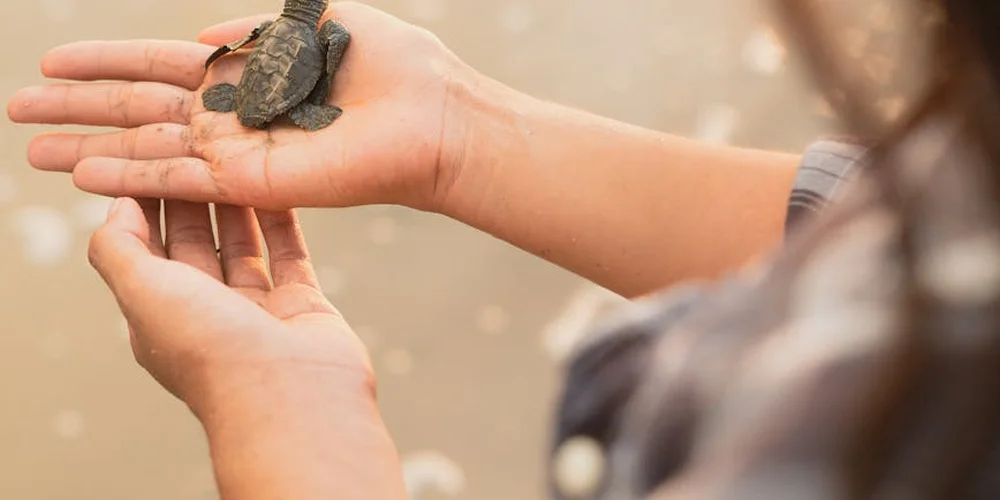
A well-rounded diet for hatchlings includes commercial pellets, live prey, and fresh vegetables to cover all nutritional bases. Variety is key to preventing boredom and ensuring they get a full spectrum of vitamins and minerals. Here’s a breakdown of essential food groups:
- Commercial turtle pellets: Opt for brands with high protein levels and added calcium, like Zoo Med or Fluker’s, which I’ve trusted for years with my turtles.
- Safe live-prey options: Insects such as crickets or small fish offer natural protein; always prepare them by gut-loading and rinsing to avoid contaminants.
- Vegetables and leafy greens: Include items like romaine lettuce and shredded carrots for fiber and nutrients, rotating types to keep meals interesting.
Commercial Turtle Pellets and Prepared Foods
Selecting quality pellets means looking for those with at least 40% protein and calcium supplements to support shell health. I always check the ingredient list for whole foods and avoid fillers like corn or soy, which can upset a baby turtle’s stomach. Brands that specialize in reptile nutrition tend to be more reliable for hatchlings’ delicate systems.
If your turtle hesitates to eat pellets, try soaking them in water or mixing with favorite live foods to encourage acceptance. With Orwell, I found that gradually introducing pellets alongside worms made the transition smoother and less stressful for him. Patience and persistence help them adapt to new textures and flavors, especially when feeding live food, pellets, and vegetables.
Protein-Rich Foods for Growth
Live proteins like crickets, mealworms, or small feeder fish are excellent for growth, but cooked options like boiled egg whites can be safer alternatives. From my experience, offering a mix of live and prepared proteins keeps babies engaged and ensures they get diverse amino acids. Always chop larger items into tiny pieces to prevent choking hazards.
Avoid overfeeding protein, as excess can lead to shell deformities or kidney issues in developing turtles. I limit protein meals to every other day for hatchlings, balancing them with greens to maintain optimal health without overloading their systems. Monitoring their growth helps adjust portions as needed.
Vegetables and Greens for Balanced Nutrition
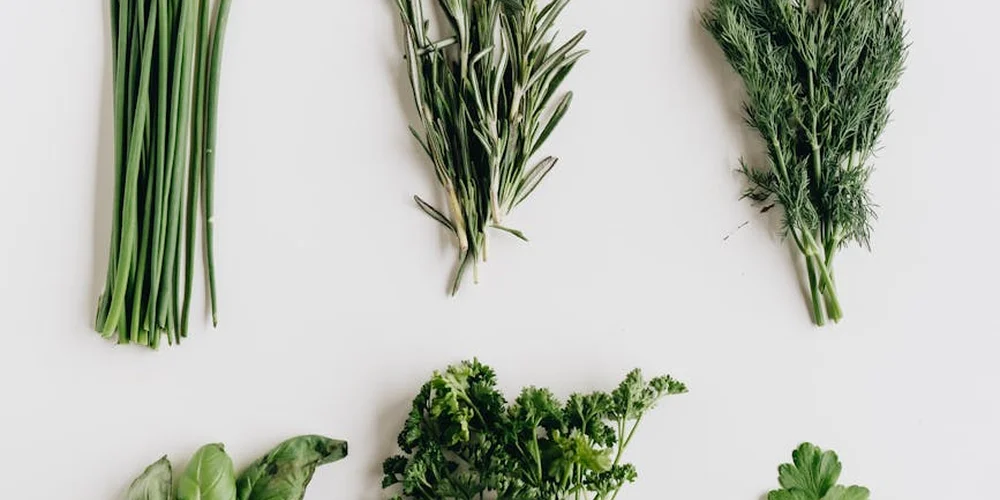
Leafy greens such as collard greens, kale, and dandelion greens are easy to digest and packed with vitamins. I rotate these with vegetables like zucchini or bell peppers to provide a range of nutrients and prevent picky eating. This variety supports digestion and immune function in young turtles. For a complete, safe list of vegetables turtles can eat, refer to our turtle-safe produce guide. It lists safe options and feeding tips.
Wash all greens thoroughly under running water to remove pesticides, and chop them into small, bite-sized pieces for easy consumption. With Austen, I found that finely shredded greens mixed with pellets encouraged him to eat more vegetables, promoting a balanced diet from the start. Steaming harder veggies slightly can also make them softer and more appealing.
How to Feed Your Baby Turtle: Schedule and Portion Control
Feeding your baby turtle with care sets the foundation for a healthy life. I’ve nurtured Austen, Bronte, and Orwell from hatchlings, and a consistent routine makes all the difference in their growth and happiness. For beginners, check out my ultimate beginners guide to feeding your pet turtle. It covers safe foods, proper portions, and a simple feeding schedule.
- Daily feeding schedule based on age and species:
- For turtles under 6 months, offer food once daily to support rapid development.
- As they approach 1 year, you can reduce frequency to every other day for some species, like tortoises.
- Aquatic turtles, such as sliders, often thrive with daily meals, while my Russian tortoise Austen did well on a steady daily plan in his first year.
- Portion sizes using visual cues: Provide an amount of food that fits in a pile no larger than your turtle’s head. This simple method, which I use with Bronte, prevents overfeeding and ensures they get just the right nutrients without waste.
- Signs of proper hydration and encouraging water intake:
- Look for bright, clear eyes and smooth, supple skin as indicators of good hydration.
- Encourage drinking by offering a shallow water dish for easy access and misting the enclosure to mimic natural dew, something Orwell enjoys during his morning routine.
Essential Supplements for Growth and Health
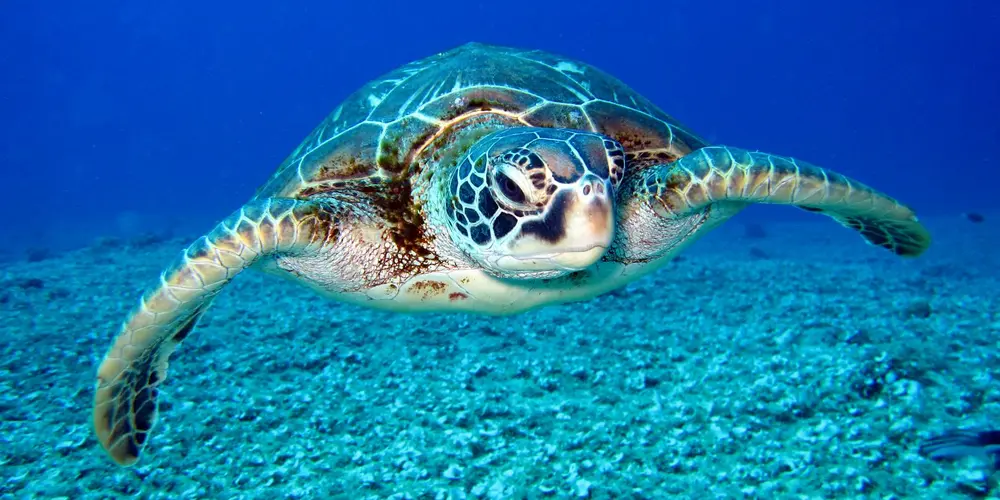
Supplements are non-negotiable for your baby turtle’s well-being, much like sunlight for plants. From my years of care, I’ve seen how proper supplementation prevents issues like soft shells and promotes vibrant health.
- Importance of calcium powder and vitamin D: Calcium builds strong shells and bones, while vitamin D enables its absorption. Without these, turtles can develop metabolic bone disease, a condition I’ve helped correct in rescued animals through careful dusting of their meals.
- UVB light and basking support nutrient absorption: UVB light allows turtles to synthesize vitamin D3, crucial for using calcium effectively. Basking spots provide warmth that activates this process. In my setup, the gentle glow of the UVB lamp and a cozy basking area ensure Austen and Bronte can naturally produce what they need.
- Steps for safe supplementation to prevent deficiencies:
- Choose a high-quality calcium powder without added phosphorus for optimal balance.
- Lightly dust food 2-3 times weekly, avoiding overuse to prevent toxicity.
- Pair supplements with a varied diet and regular health checks to monitor progress.
Solving Common Feeding Problems
If your baby turtle refuses food, it might feel stressed or uncomfortable. Start by checking the habitat temperature, as many appetite issues stem from a too-cool environment. I noticed with Bronte, my Greek tortoise, that raising her basking spot to 85-90°F made her more eager to eat. If your turtle still won’t eat, you can gently encourage meals by offering a varied, appealing diet. Avoid forcing feeds—keep conditions calm and consistent, so eating comes more naturally.
- Refusal to Eat: Often due to low temperatures or improper lighting. Adjust the heat lamp and ensure UVB exposure to mimic natural conditions.
- Overeating: Can cause obesity and shell deformities. Offer small, measured meals and limit high-fat items like certain worms.
- Sudden Health Declines: May signal nutritional gaps or toxins. Watch for lethargy or shell softening and consult a vet promptly.
Environmental tweaks can boost appetite. Keep the water clean and add hiding spots to reduce stress, which I’ve seen help turtles like Austen feel secure enough to feed. A varied diet with fresh veggies and proteins prevents boredom and deficiencies. To create a balanced diet for your omnivorous turtle, mix leafy greens with a protein source like insects or small pellets. Keep portions varied and monitor intake to ensure all nutrients are covered.
Diet-related emergencies, like sudden death, are often preventable. Always provide calcium supplements and avoid toxic plants to support long-term health. From my experience, regular habitat checks and balanced nutrition are key to avoiding tragic outcomes.
Diet Tips for Different Turtle Species
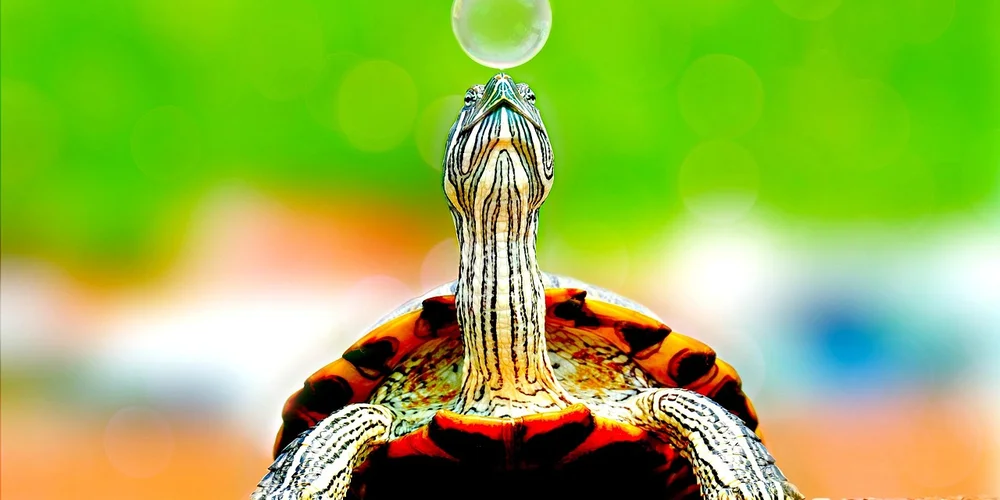
Each turtle species has unique dietary needs based on their natural behaviors. Customizing their meals helps prevent health issues and supports growth. I’ve learned this through caring for my own turtles, like Orwell the box turtle, whose preferences differ greatly from aquatic species. That difference is exactly what the aquatic vs land turtle diets covers. Aquatic turtles eat more water-based foods, while land turtles rely on greens.
Baby Box Turtle Diet
Box turtles thrive on an omnivorous mix with plenty of variety. Focus on insects and soft fruits to meet their high energy and calcium needs. This approach ties into a complete diet guide for eastern box turtles. A full guide covers a balanced mix of protein, produce, and calcium to support shell health and overall vitality. With Orwell, I offer small crickets and diced melons, but steer clear of spinach to avoid shell problems.
- Prioritize protein-rich insects like mealworms and earthworms.
- Include soft fruits such as berries and papaya for vitamins.
- Avoid high-oxalate foods like beet greens that can hinder calcium absorption.
Baby Snapping Turtle Diet
Snapping turtles require a protein-heavy diet to support their rapid growth. Incorporate live prey like small fish or shrimp to stimulate natural hunting instincts. Handle them minimally during feeding to reduce stress and aggression.
- Feed high-protein items such as feeder fish or aquatic insects.
- Limit feeding to every other day to prevent overeating and obesity.
- Use tongs for safe food placement to avoid accidental bites.
Baby Painted Turtle Diet
Painted turtles need a balanced mix of animal and plant foods. Variety supports their active, aquatic lifestyle and prevents nutritional gaps. I’ve observed that offering both leafy greens and small crustaceans keeps them vibrant and healthy. In a quick guide to aquatic turtle nutrition, painted turtles are described as omnivores that thrive on a mix of vegetation and animal prey. This straightforward approach helps answer common questions like “do painted turtles eat” and supports balanced nutrition.
- Combine animal proteins like bloodworms with plant matter such as duckweed.
- Rotate foods regularly to mimic wild foraging habits.
- Ensure easy access to food in water to encourage natural feeding behaviors.
FAQs
Why did my baby turtle die suddenly?
Sudden death in baby turtles often results from nutritional deficiencies, such as lack of calcium, or environmental issues like improper temperature. Always provide a balanced diet with supplements and monitor habitat conditions closely to prevent tragedies.
What should a baby snapping turtle diet include?
A baby snapping turtle needs a protein-rich diet with items like small feeder fish, shrimp, and insects to support rapid growth. Feed every other day and use tongs for safety to avoid overfeeding and aggression.
Can a baby turtle die from sunburn?
Yes, baby turtles can die from sunburn if overexposed to direct sunlight without adequate shade or hydration. Ensure their enclosure has a controlled basking area and fresh water to protect them from heat stress.
Your Baby Turtle’s Nutritional Path Forward
Focus on a balanced mix of protein-rich foods and calcium sources to fuel your baby turtle’s growth and prevent shell deformities. I’ve seen with my tortoise Bronte how proper nutrition from a young age builds a strong foundation for health. Source fresh foods from reputable suppliers and prepare them properly for your turtle. Rinse, chop into bite-sized pieces, and offer a rotating mix of protein-rich options and calcium sources.
Embrace the role of a caring guardian by staying curious and updating your knowledge as your turtle matures. Your ongoing effort honors their well-being, much like the gentle stewardship I practice with Austen and Orwell every day.
Further Reading & Sources
- How much should I be feeding my baby turtle? I’m getting mixed information : r/turtle
- How to Feed a Baby Turtle: 10 Steps (with Pictures) – wikiHow
- Feeding Baby Turtles
- What do i feed my baby turtle : r/turtle
Matthew is a dedicated turtle enthusiast and conservationist with over 15 years of experience in reptile care. Known affectionately as "The Leatherback" among his peers, he combines his passion for turtles with a commitment to educating pet owners on responsible turtle care and environmental stewardship.
Common Turtle Foods