
Bringing Home a Rescue Turtle: Your First Month Rehabilitation Guide
Welcoming a rescue turtle into your home might make you wonder if you can handle their health issues or create a safe space for them to heal. I felt that same mix of excitement and nerves when I brought home Austen, my Russian tortoise, and later Bronte and Orwell. Their gentle, steady presence taught me that patience and careful steps build the foundation for recovery.
This article covers habitat setup, feeding routines, health monitoring, and bonding activities to guide you through the initial weeks. You will find practical, experience-based advice to ease your turtle’s transition and support their well-being.
Your Immediate Rescue Turtle Action Plan
When you bring a rescue turtle home, the first few hours set the tone for their recovery. I always start by placing the turtle in a quiet, temporary quarantine area away from other pets, as I did with Orwell, my reserved box turtle, to reduce stress and observe for any hidden issues. This simple step prevents the spread of potential illnesses and lets the turtle acclimate slowly.
Next, perform a gentle visual health check without handling the turtle too much. This quick check is part of how I tell if my turtle is sick. Look for signs of shell damage, eye discharge, or lethargy, which I noticed early on with Bronte, my graceful Greek tortoise, helping me address a minor infection quickly. Keep a notebook to log behaviors and symptoms-it’s a lifesaver for vet visits.
- Set up a quarantine enclosure with paper towel substrate for easy cleaning and monitoring.
- Offer shallow, lukewarm water for hydration, but don’t force a bath if the turtle seems scared.
- Provide a hide spot, like a small cardboard box, to make them feel secure immediately.
- Schedule a vet appointment within the first week for a professional assessment and parasite check.
Limit interactions to essential care only during this period. Rescue turtles often need time to trust their new environment, so patience is your best tool for building a bond. I learned this with Austen, my steady Russian tortoise, who took days to even peek out from his hide, but gradual exposure paid off.
Essential Habitat Setup for Turtle Rehabilitation
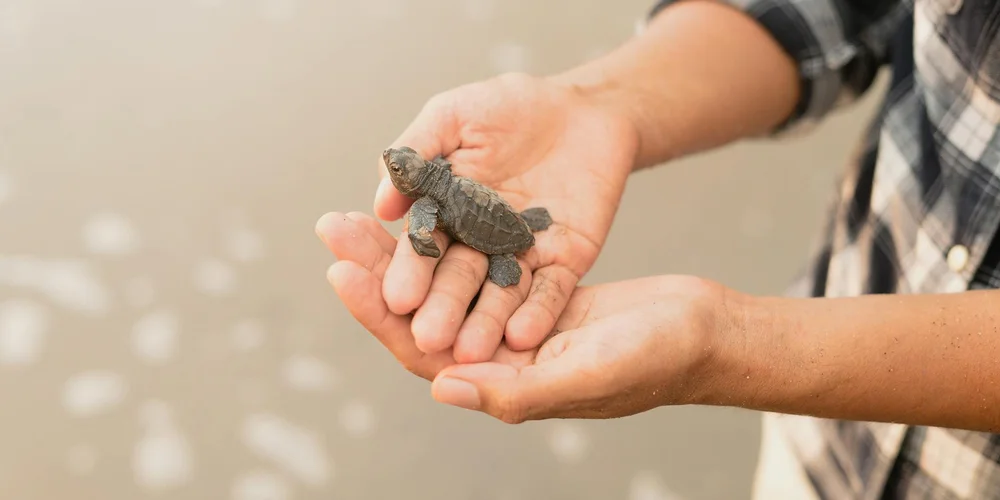
Creating a proper habitat is crucial for a rescue turtle’s physical and emotional healing. Start with an enclosure that’s spacious enough for movement; for land turtles like mine, a minimum of 4×2 feet works well, but bigger is always better to encourage natural behaviors. This mimics their wild instincts and reduces stress-induced behaviors. Choosing the right size enclosure is essential for their well-being.
Enclosure Essentials
- Use a substrate like coconut coir or cypress mulch-it’s soft, holds moisture, and is safe if ingested accidentally.
- Include multiple hide areas: one on the warm side and one on the cool side for thermoregulation.
- Add shallow water dishes for drinking and soaking, but ensure they’re easy to exit to prevent drowning risks.
Heating and Lighting
Proper temperature gradients are non-negotiable for recovery. Install a basking spot with a heat lamp set to 85-95°F, and keep the cooler area around 70-75°F, which helped Bronte regain her energy after rescue. Use a UVB light for 10-12 hours daily to support shell and bone health-essential for turtles who’ve lacked prior care.
- Monitor temperatures with digital thermometers at both ends of the enclosure.
- Replace UVB bulbs every 6-12 months, as their effectiveness diminishes over time.
Incorporate natural elements like smooth rocks and edible plants for enrichment. I’ve found that a varied environment reduces boredom and promotes mental well-being, something Orwell thrived on once he settled in. Always prioritize safety by avoiding sharp objects or toxic plants, advocating for a habitat that supports long-term welfare.
Conducting a Medical Intake and Initial Vet Visit
Your first task is a gentle but thorough health assessment. I always start by placing the turtle in a clean, empty container to observe its baseline condition without the stress of a new habitat. This quiet moment tells me so much about their energy levels and alertness. If I notice red flags—such as appetite loss, labored breathing, or shell changes—it may be time for a vet visit. Early veterinary input can prevent issues from worsening.
Recognizing Signs of Shell Rot and Other Common Ailments
Shell rot is a frequent unwelcome guest in rescue cases. I learned this the hard way with Bronte, whose beautiful shell had hidden soft, discolored patches.
- Look for soft, pitted, or flaky areas on the shell, often with a foul odor.
- Check for discoloration-white, yellow, or black spots that weren’t part of the original pattern.
- Examine the plastron (belly shell) carefully, as rot can start there unnoticed.
Beyond the shell, watch for puffy or closed eyes, nasal discharge, or a mouth that hangs open, which can signal a respiratory infection. Lethargy that persists beyond the first day is a major red flag. Orwell once refused food for three days, and a vet visit revealed a minor parasite load we quickly treated.
Establishing a Daily Care and Observation Routine

Consistency is your new best friend. A predictable routine helps a traumatized turtle feel secure. I perform a quick visual check every morning during feeding, looking for any changes from the day before. This takes only a minute but builds a powerful habit. In the first week, include this quick visual check as one of the 10 essential tasks for settling your new turtle. It helps you establish a routine and spot issues early.
- Morning: Offer fresh food and water, noting interest levels.
- Midday: Check basking and ambient temperatures are correct.
- Evening: Do a quick spot-clean of the enclosure and observe evening behavior.
Monitoring for Stress and Tracking Progress
A stressed turtle will often hide constantly or, conversely, pace relentlessly. Austen taught me that a turtle who suddenly stops basking is communicating significant discomfort, either from illness or an environmental issue. Keep a simple journal.
- Note food and water intake daily.
- Record weight weekly-a kitchen gram scale works perfectly.
- Jot down activity levels and notable behaviors.
This log becomes invaluable for tracking subtle improvements and provides concrete data for your vet. Seeing that first consistent weight gain or the first time they willingly take food from your hand is a moment of pure joy. It confirms you’re on the right path to giving them a second chance.
Nutrition and Hydration for a Healing Turtle
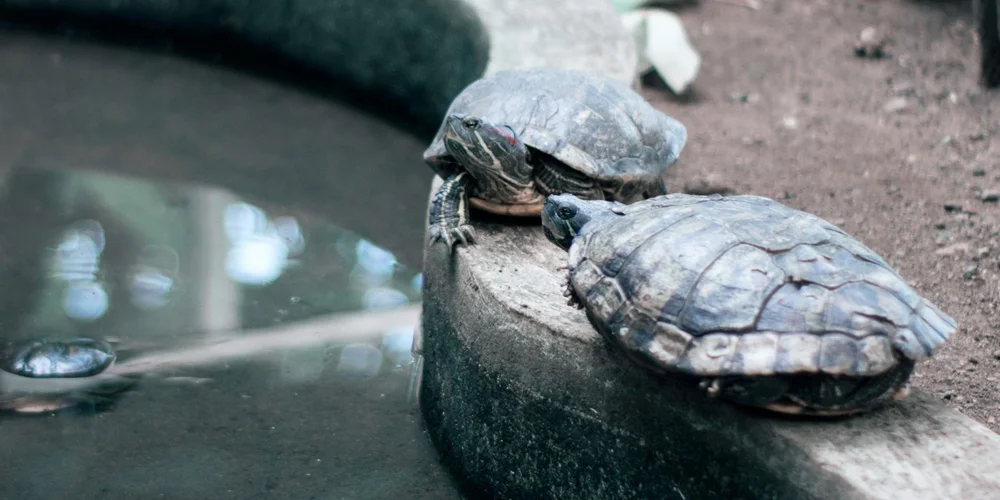
When you welcome a rescue turtle, their diet and water intake are your top priorities for recovery. I learned this firsthand with Orwell, my box turtle, who arrived thin and sluggish after being found in a backyard. This practical approach echoes what the Feed Your Pet Turtle covers. Start by offering small, frequent meals to avoid overwhelming their system. Focus on species-appropriate foods: leafy greens, vegetables, and occasional protein like worms or snails.
Hydration is just as vital, especially for turtles recovering from neglect. Provide a shallow water dish they can easily climb into and out of, as dehydration can slow healing dramatically. I always mist Austen’s enclosure lightly each morning to mimic dew, which encourages drinking. For stubborn cases, try soaking your turtle in lukewarm, dechlorinated water for 15-20 minutes daily-this helped Bronte regain her energy quickly. For more tips on supporting a turtle’s recovery, check out our comprehensive guide on hydration, feeding, and comfort.
Essential Foods for Recovery
- Dark leafy greens like kale and dandelion greens
- Finely chopped carrots or squash for easy eating
- Calcium-rich supplements to support shell repair
- Live prey such as earthworms to stimulate natural foraging
Hydration Methods That Work
- Place water dishes in accessible spots and change water daily
- Use a spray bottle to moisten food and enclosure surfaces
- Monitor urine output-clear and frequent is a good sign
- Consult a vet if your turtle refuses water for over a day
Watch for signs of improvement, like increased activity and a healthier shell. Every turtle heals at their own pace, so patience and consistency are your best tools. From my experience, a balanced approach prevents stress and supports long-term health.
Navigating the Path Forward: Release and Long-Term Care

Deciding whether to release a rescue turtle or provide lifelong care requires careful thought. I faced this with Bronte, my Greek tortoise, whose injuries made her unfit for the wild. Assess their health, species needs, and local regulations-some turtles, like non-native ones, should never be released due to ecological risks.
If release is an option, ensure the turtle is fully rehabilitated and returned to a safe, native habitat. Work with wildlife experts to choose locations free from predators and pollution. For long-term care, create an enriching environment with hiding spots, varied terrain, and proper lighting. Orwell thrives in his indoor enclosure with logs to climb and soil to dig in.
Factors to Consider for Release
- Veterinary clearance on overall health and weight
- Proof of native species and suitable release sites
- Season and weather conditions to support survival
- Legal permissions from local wildlife authorities
Long-Term Care Essentials
- Set up a spacious enclosure with UVB lighting for shell health
- Establish a routine for feeding, cleaning, and social interaction
- Schedule annual vet check-ups to monitor for common issues
- Introduce toys or obstacles to keep them mentally stimulated
Advocating for animal welfare means putting their needs first, whether that’s a safe release or a forever home. Your commitment can transform a rescue’s life, just as it did for my steady companion Austen. Trust your observations and seek guidance to make the best choice for your turtle’s future.
FAQs
How do you assess the triage priority for rescued turtles?
Triage priority is determined by evaluating the severity of injuries, such as shell fractures or breathing difficulties. Immediate care should go to turtles showing signs of life-threatening conditions to stabilize them first.
What legal and ethical considerations apply to rescue turtle care?
Always verify local regulations regarding wildlife rescue and ownership to avoid legal issues. Ethically, focus on minimizing stress and providing species-appropriate care to support the turtle’s well-being. This aligns with the care aquatic turtles essential guide for both land and aquatic species. Adhering to these guidelines supports appropriate habitat, diet, and humane handling.
What steps are involved in preventing disease transmission in turtle rehabilitation facilities?
Use isolation areas for new turtles to prevent the spread of infections to others. Regularly clean and disinfect all surfaces and tools to maintain a hygienic environment. Quarantine any new or sick turtle in a separate enclosure for observation before introducing it to the main group. This practice helps prevent disease spread and protects the health of all turtles.
How can public volunteers effectively assist in rescue turtle programs?
Volunteers can support by performing routine tasks like feeding and enclosure cleaning under expert guidance. They should be educated on safe handling practices and recognizing signs of distress in turtles. This aligns with the care box turtle complete beginners guide, outlining essential husbandry steps for new keepers.
What equipment is essential for rescuing and caring for turtles?
Key items include secure carriers for transport and basic medical kits for initial first aid. Long-term care requires enclosures with proper heating, lighting, and substrates to mimic natural habitats.
Your Journey Together Begins Now
Your first month is about patience and observation, starting with a veterinary check-up and providing a quiet, stable habitat. Over this period, plan a one-month complete health and habitat checkup for your new turtle to catch early concerns and verify enclosure conditions. This ongoing check helps you adjust care as your turtle grows. Consistency in your daily care routine builds the trust your new turtle needs to feel secure.
Remember, adopting a rescue is a long-term promise to learn and adapt to your turtle’s unique needs over its lifetime. Your commitment to ongoing education is the greatest gift you can give your shelled companion.
Further Reading & Sources
- Sea Turtle Rescue and Rehabilitation – New England Aquarium
- Sea Turtle Rescue and Rehabilitation | Conservation | Aquarium of the Pacific
- The Karen Beasley Sea Turtle Rescue and Rehabilitation Center – Home
- Sea turtle rescue & conservation medicine | Olive Ridley Project
Matthew is a dedicated turtle enthusiast and conservationist with over 15 years of experience in reptile care. Known affectionately as "The Leatherback" among his peers, he combines his passion for turtles with a commitment to educating pet owners on responsible turtle care and environmental stewardship.
Preventative Care