
Species-Specific Care and Habitat: Your Guide to a Happy, Healthy Pet
Published on: May 25, 2026 | Last Updated: May 25, 2026
Written By: Matthew The
Do you worry that your pet’s behavior or health issues stem from a habitat that doesn’t match their natural instincts? This common concern often leads to stress and preventable problems for animals.
From raising my tortoises Austen, Bronte, and Orwell, I’ve seen how tailored environments transform their well-being. This article covers species identification, habitat setup, daily care routines, and health monitoring to ensure your pet thrives.
Understanding Common Pet Turtle Species and Their Needs
Getting to know the different personalities and needs of pet turtles is like learning the unique currents of various shorelines.
Each species brings its own rhythm and requirements to your home. Here are some popular companions you might consider.
- Painted Turtles: These vibrant characters typically grow to 4-10 inches and can live for 25-30 years. They are almost entirely aquatic, needing ample swimming space and a spacious basking area to thrive.
- Yellow-Bellied Sliders: A common and active species, they reach 5-12 inches with a potential lifespan of over 30 years. They are strong swimmers that demand a large, filtered aquatic environment and a dedicated dry spot for sunning themselves.
- Russian Tortoises: My Russian, Austen, is a perfect example of a terrestrial species. He spends his days exploring a dry, spacious enclosure and has no need for a swimming area, unlike his aquatic cousins.
- Greek Tortoises: My graceful Bronte is another land-dweller. She requires a habitat focused on substrate for digging and hiding, with a shallow water dish for drinking and soaking, but never for swimming.
Living with both aquatic turtles and tortoises has shown me how vastly different their worlds are. The constant hum of a filter for a slider is replaced by the quiet scratch of digging for a tortoise. Their needs are not interchangeable.
| Species | Type | Adult Size | Lifespan | Water Dependency |
|---|---|---|---|---|
| Painted Turtle | Aquatic | 4-10 inches | 25-30 years | High |
| Yellow-Bellied Slider | Aquatic | 5-12 inches | 30+ years | High |
| Russian Tortoise | Terrestrial | 5-10 inches | 40+ years | Low (soaking only) |
| Greek Tortoise | Terrestrial | 5-8 inches | 50+ years | Low (soaking only) |
Setting Up Aquatic and Semi-Aquatic Turtle Habitats
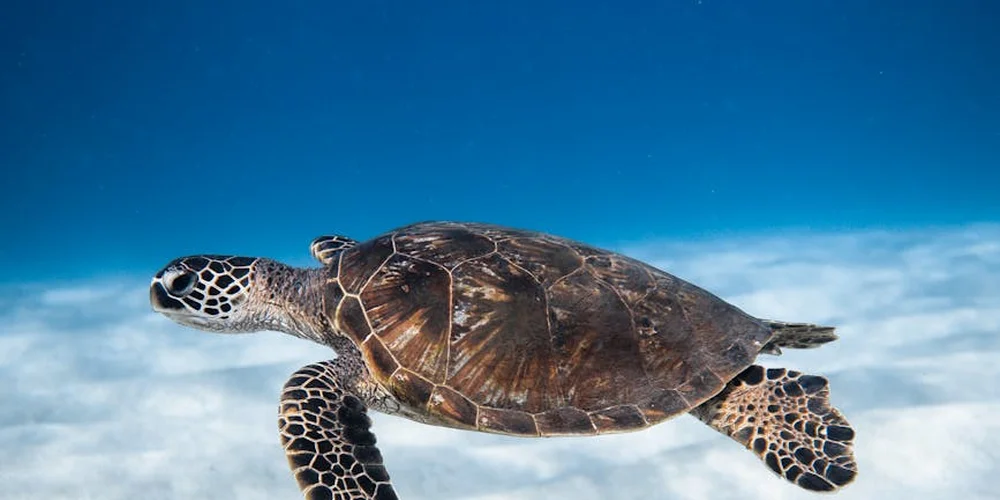
Creating the right home is your first act of care. It sets the stage for a long and healthy life.
A proper habitat mimics the turtle’s natural world as closely as possible. This prevents stress and promotes natural behaviors.
Tank Size and Space Requirements
Think of a turtle tank not as a container, but as a territory.
A good rule is 10 gallons of water per inch of shell length, and that’s just for a starter. An adult Red-Eared Slider, for instance, will ultimately need a 75 to 125-gallon tank to move and grow comfortably. Always plan for the adult size, not the tiny juvenile you bring home.
Managing Water Parameters
Clean water is the single most important factor for an aquatic turtle’s health.
I learned the hard way that a cheap filter leads to constant water changes and potential illness. Follow these steps for a healthy aquatic environment.
- Filtration: Use a canister filter rated for two to three times the volume of your tank. They are workhorses that keep the water crystal clear.
- Salinity: For most freshwater species, you need dechlorinated tap water. Some, like Diamondback Terrapins, require brackish water, which is a specific mix of freshwater and marine salt.
- pH Balance: Aim for a neutral pH, typically between 6.8 and 7.8. Test the water weekly with an aquarium test kit to ensure stability.
Creating a Natural and Safe Biotope
The details inside the tank turn it from a sterile box into a home.
Choosing the right substrate is your foundation. Large, smooth river rocks are excellent for aquatic turtles, as they are too big to be eaten and are easy to clean. Avoid small gravel at all costs.
Shelter provides crucial security. Use aquarium-safe rocks, driftwood, or commercial caves to create hiding spots.
For plants, always select toxin-free options. Live plants like Anubias or Java Fern can be anchored to driftwood, providing beauty and helping to filter the water. Silk plants are a safe and attractive alternative if your turtle is a relentless digger.
Maintaining Optimal Temperature, Humidity, and Lighting
Creating the right environmental conditions is like setting the stage for your turtle to thrive. I’ve learned through trial and error with my own shelled companions that getting these elements right prevents a host of health issues.
Setting Up the Perfect Temperature Gradient
Turtles are ectotherms, relying on their environment to regulate their body temperature. Your habitat needs a warm basking area and a cooler zone. Nighttime temperatures still matter, and a simple nighttime heat management guide can help.
- Basking Spot: 90-95°F (32-35°C). This is non-negotiable for proper digestion.
- Ambient Air Temperature: 75-85°F (24-29°C) for the warm side of the enclosure.
- Cool Zone: 70-75°F (21-24°C). A place to retreat and cool down is vital.
- Water Temperature: 75-80°F (24-27°C) for aquatic species. A submersible heater works wonders.
Controlling Humidity and Providing UVB Light
Humidity and lighting are the silent partners to temperature in supporting shell health and daily rhythms.
For humidity, my Russian and Greek tortoises need levels around 40-60%. A simple spray bottle for misting and a substrate that holds moisture, like coconut coir, makes all the difference. In a proper humidity in terrestrial turtle habitat, maintaining those humidity levels is essential, and I regularly monitor them with a hygrometer. For more aquatic-inclined turtles like Orwell, the water area provides most of the necessary ambient humidity.
UVB lighting for turtles is not optional; it’s a medical necessity. It allows turtles to synthesize vitamin D3, which is critical for calcium absorption and preventing metabolic bone disease. Setting it up correctly is the first step in preventing long-term health issues. Proper UVB setup, including placement and a consistent day-night cycle, is essential for your turtle’s health. Provide 10-12 hours of UVB light daily, mimicking a natural sun cycle, and replace the bulb every 6-12 months as its output diminishes. For more information on how to achieve the right configuration, check out the guide on UVB lighting for turtles.
Tools and Seasonal Adjustments from Experience
Don’t guess the conditions in your turtle’s home. I use a simple digital thermometer/hygrometer combo to keep track. A laser temperature gun is also fantastic for spot-checking the basking area’s surface temperature. That’s why this is part of diagnosing your turtle’s habitat with a simple lighting, heat, and water checklist. Regular checks with these tools help ensure those conditions stay on target.
Seasonal changes matter. In drier winter months, I find myself misting Austen and Bronte’s enclosure more frequently. Always observe your turtle’s behavior; if they’re constantly trying to burrow or are less active, it might be a sign the humidity or temperature needs a tweak.
Feeding and Hydration for Species-Specific Diets

What you feed your turtle is one of the most direct ways you influence their long-term health. A varied, species-appropriate diet is the cornerstone of preventing nutritional deficiencies and obesity. Many keepers weigh commercial diets against homemade mixes, each with distinct pros and cons for turtle health. The best choice depends on species, life stage, and how well the diet is balanced and safe.
Appropriate Foods for Different Turtles
Not all turtles eat the same things. Some turtles are herbivores, others omnivores, and a few are more carnivorous. It’s crucial to know if you have an herbivore, omnivore, or something in between.
- Herbivores (e.g., Russian & Greek Tortoises):
- Dark, leafy greens: dandelion greens, endive, escarole.
- Edible flowers: hibiscus, roses, nasturtiums.
- Limited fruits: berries, melon (as a rare treat).
- Omnivores (e.g., Box Turtles):
- Protein: earthworms, slugs, boiled egg, lean poultry.
- Vegetables: mushrooms, squash, green beans.
- Fruits: figs, papaya, apples (in moderation).
Hydration comes from a shallow water dish for drinking and soaking for tortoises, and from their aquatic environment for turtles like Orwell. I always ensure fresh, clean water is available, as dehydration is a common and serious issue.
Feeding Schedules and Common Mistakes
Overfeeding is the most common error I see. A good rule of thumb is to offer an amount of food roughly the size of your turtle’s head. It’s important to be aware of common turtle feeding mistakes and how to avoid them.
- Young, growing turtles: Feed daily.
- Adult turtles: Feed every other day or 3-4 times a week.
Avoid iceberg lettuce-it’s mostly water with little nutritional value. Also, steer clear of dog or cat food as a protein source for omnivores; it’s far too high in fat and can cause severe kidney damage over time.
The Critical Link Between Water Quality and Nutrition
For turtles that spend time in water, nutrition and water quality are inseparable. Dirty water can lead to shell rot, skin infections, and your turtle ingesting harmful bacteria when they eat. Essential filtration systems are key to keeping turtle water clean. A good filtration setup continually removes waste and keeps the water clear, supporting a healthy appetite and ensuring the food you carefully provide does more good than harm. I perform partial water changes for Orwell’s area weekly and use a high-quality filter rated for a tank larger than his actual enclosure.
Enrichment and Behavioral Care to Reduce Stress
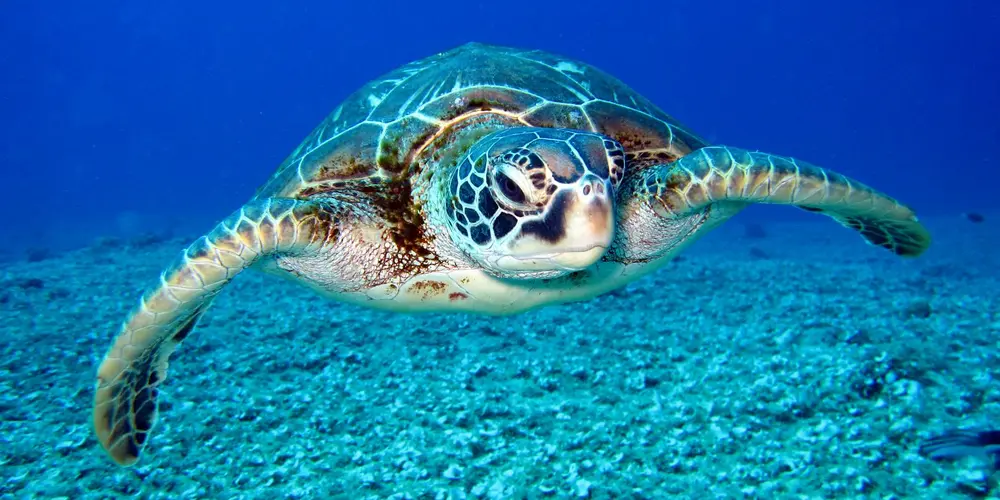
Think of your turtle’s habitat as more than just a tank or pen; it’s their entire world. A thoughtfully designed environment is the single most effective tool for preventing stress and encouraging natural, healthy behaviors. I’ve spent countless hours observing my Russian tortoise, Austen, and learned that a bored turtle is often a stressed one. This is where turtle enrichment—15 ways to prevent boredom in the tank—makes a difference. Simple, creative tweaks keep them curious and engaged.
Ideas for Behavioral Enrichment
Enrichment isn’t about complicated gadgets. It’s about creating a dynamic space that challenges their mind and body.
- Hiding Spots: Provide multiple, snug hides. My Greek tortoise, Bronte, has a half-log, a terra cotta pot on its side, and a dense clump of spider plants she loves to retreat under.
- Climbing Structures: Flat rocks, gently sloped logs, and small mounds of substrate encourage exploration. Just ensure any climbs are safe and not too steep.
- Interactive “Toys”: A hollow, clean Kong toy stuffed with their favorite greens makes mealtime a fun puzzle. A shallow terra cotta saucer with a few pebbles in it can become a fascinating object to push around.
Social Structure and Territory Needs
Turtles are not pack animals. Forcing cohabitation is one of the biggest sources of aggression and chronic stress I see. My box turtle, Orwell, lives completely alone and is far healthier for it.
- Most tortoise and terrestrial turtle species are solitary. They do not get “lonely.”
- Housing multiple turtles, especially males, almost always leads to bullying, competition for food, and constant stress.
- If you must keep more than one, the enclosure must be vast with multiple visual barriers, basking spots, and feeding stations to establish distinct territories.
Steps for Stress Reduction
Predictability is calming for a creature with a small home range.
- Establish a consistent daily routine for feeding, misting, and lights on/off.
- Place the habitat in a quiet, low-traffic area of your home to minimize startling vibrations and movements.
- Ensure the temperature and humidity gradients are always correct and stable. A fluctuating environment is a stressful one.
- When you need to handle your turtle, do so calmly and support their entire body. Let them walk onto your hand rather than scooping them up from above.
Monitoring Health and Preventing Common Issues
Catching a health problem early often makes the difference between a simple fix and a serious crisis. Your daily observations are the first and most important line of defense for your turtle’s well-being.
Daily Health Monitoring Practices
Make a mental checklist each time you see your pet.
- Shell Condition: Run your finger over it. It should feel hard and smooth. Watch for soft spots, discoloration, or pits. Pyramiding (raised, pyramid-like scutes) is a common sign of improper diet or humidity in species like my Russian tortoise.
- Eyes and Nose: Eyes should be clear, bright, and fully open. There should be no bubbles, mucus, or discharge from the nose or eyes.
- Activity Levels: Know what’s normal. A sudden change-lethargy or frantic, constant pacing-can signal a problem. My tortoises have distinct daily rhythms I’ve come to recognize.
- Appetite and Hydration: A healthy turtle is a hungry turtle. Note any changes in eating or drinking habits.
Signs of Illness and When to Seek a Vet
Don’t wait and see. Reptiles hide illness until they are very sick.
- Lethargy or lack of interest in food for more than a few days.
- Wheezing, gurgling breaths, or mucus around the mouth or nostrils (signs of a respiratory infection).
- Swollen eyes or keeping them closed.
- Runny or unusually smelly stools.
- Any sign of injury, like a crack in the shell.
If you observe any of these symptoms, contact a veterinarian who specializes in reptiles immediately. They have specific knowledge that general vets may not.
Acclimation and Habitat Maintenance
A clean, stable home prevents a multitude of issues.
- For New Turtles: Set up the entire habitat before they arrive. Leave them completely alone for the first week except to offer food and water. This “hands-off” period is critical for reducing relocation stress.
- Spot Clean Daily: Remove uneaten food and feces every single day to keep the enclosure sanitary and odor-free.
- Deep Clean Monthly: Once a month, remove everything. Scrub the enclosure and décor with a reptile-safe disinfectant, rinse thoroughly, and replace the substrate. This prevents the buildup of harmful bacteria and parasites.
- Always provide fresh, chlorine-free water in a shallow dish they can easily climb in and out of.
Choosing the Right Turtle and Acclimating to Your Home

Selecting a turtle is like choosing a roommate for decades. The species you bring home must match your experience, available space, and daily routine. I learned this the hard way years ago when I underestimated the space my first aquatic turtle truly needed. Think about the key factors when choosing turtle species: adult size, habitat needs, and ongoing care requirements.
Matching a Species to Your Life
Your lifestyle is the most important filter. Consider these common species and their needs:
- Beginner-Friendly (Smaller, Less Demanding): Russian Tortoises, like my Austen, or Box Turtles. They typically require less aquatic space and are hardy.
- Intermediate (More Space & Specific Care): Red-Eared Sliders and Painted Turtles. They grow larger and need significant water filtration.
- Advanced (Specialized Needs): Softshell Turtles or certain exotic species. Their care is complex and not for novice owners.
Be brutally honest about the time and money you can dedicate to habitat maintenance, veterinary care, and daily feeding. A small mistake in selection can lead to a lifetime of compromised welfare for the animal.
Steps for a Stress-Free Acclimation
Bringing your new turtle home is a critical time. A slow, methodical process prevents shock and illness.
- Implement a Strict Quarantine: Keep your new turtle in a simple, separate enclosure for at least 30-90 days. This prevents the spread of potential parasites or illness to any other pets.
- Provide a Quiet Sanctuary: Place the quarantine habitat in a low-traffic area. Limit handling and simply observe their behavior for signs of stress or illness.
- Gradually Introduce the Permanent Home: After quarantine, move them to their main habitat but resist the urge to redecorate constantly. Let them explore and establish a territory slowly.
I always watch my new turtles for the first week like a hawk, noting their eating habits and basking behavior to ensure they are settling in. Patience here pays off with a healthier, happier pet.
The Lifelong Commitment to Welfare
Choosing a turtle is a decision that will likely outlive your car, your phone, and possibly your current job.
- Many species live for 30, 50, or even 80 years. You are making a plan for their entire life.
- Their habitat is not a static decoration. It is a complex ecosystem you must maintain and upgrade as they grow.
- Consider the future. Who will care for your shelled friend if you cannot? This is a core part of responsible ownership.
Every time I look at my tortoises, I am reminded that their steady, quiet lives are entirely dependent on the choices I made and continue to make for them. Choose not just with your heart, but with a clear-eyed view of the decades ahead.
FAQs
How can I tell if my turtle is male or female?
Look for physical traits like tail length and shell shape, as males often have longer tails and concave plastrons. For many species, males may also have longer front claws or different eye colors, but specifics vary by type.
What are the typical initial costs for setting up a turtle habitat?
Expect to spend several hundred dollars on a large tank, filter, heater, UVB light, and basking platform. Ongoing costs include food, substrate, and electricity, with potential vet bills for health checks.
How do I handle an aggressive or shy turtle safely?
Approach slowly from the side and avoid sudden movements to reduce stress. Support their entire body and let them walk onto your hand instead of lifting them from above.
Your Turtle’s Perfect Home Awaits
Tailoring care to your turtle’s species, like my Russian Tortoise Austen’s need for a dry, warm habitat, ensures they thrive in an environment that feels natural. By observing their behaviors and adjusting setups accordingly, you create a space where they can exhibit their full personality and health.
Commit to lifelong learning about your pet’s evolving needs, as I do with my Greek Tortoise Bronte, to prevent common issues and enhance their quality of life. Responsible ownership means always putting their welfare first, through regular research and adapting care routines as they age.
Further Reading & Sources
- Species-Specific Certification | Pet Care Provider Education
- Pet Care Sheets: Expert Advice & Tips | Petco
- Exotic Pet Veterinary Care | Blue Cross Animal Hospital…
- Veterinary Specialties: 24 Types from A-Z
Matthew is a dedicated turtle enthusiast and conservationist with over 15 years of experience in reptile care. Known affectionately as "The Leatherback" among his peers, he combines his passion for turtles with a commitment to educating pet owners on responsible turtle care and environmental stewardship.
Unusual Turtle Species