
Turtle-Safe Woods and Plants for Naturalistic Habitat Decor
Published on: February 18, 2026 | Last Updated: February 18, 2026
Written By: Matthew The
Selecting woods and plants for your turtle’s habitat often brings worries about toxicity, durability, and overall safety-concerns I’ve navigated firsthand with my tortoises Austen, Bronte, and Orwell. Over the years, I’ve seen how the right choices can transform their space into a thriving, naturalistic haven that supports their well-being and mimics their wild instincts.
This guide will walk you through safe wood options, non-toxic plant picks, step-by-step habitat setup, and easy maintenance routines. You’ll find practical, tested advice to build a secure and stimulating environment for your shelled friend.
Why Choose Natural Woods and Plants for Your Turtle’s Home
Creating a naturalistic habitat does more than just look pretty. It directly supports your turtle’s physical health and mental well-being by giving them an environment that feels like home. I’ve seen my own turtles, Austen, Bronte, and Orwell, become more active and curious when their enclosures mirror the complexity of the wild.
My Russian tortoise, Austen, used to spend most of his time tucked in a corner. Once I introduced safe woods and edible plants, he started exploring, climbing, and foraging every single day. His gentle, steady personality truly blossomed. Bronte, my Greek tortoise, now uses the textures of bark and leaves for graceful filing of her beak and nails.
- Reduces Stress: Familiar textures and hiding spots provide security, lowering anxiety.
- Encourages Natural Behaviors: Turtles can climb, burrow, forage, and bask just as they would in nature.
- Promotes Physical Health: Rough surfaces help wear down claws and beaks naturally.
- Improves Mental Stimulation: A changing landscape prevents boredom and encourages exploration.
- Mimics Wild Environments: This is the closest we can get to giving them the life they are evolutionarily designed for.
Selecting Turtle-Safe Woods for Habitat Decor

Not all wood is created equal for a turtle habitat. Sticking to known safe varieties like driftwood, cork bark, manzanita, and mopani wood is the simplest way to ensure safety. I’ve used all of these with my trio for years without any issues. Orwell, my box turtle, especially loves the intricate nooks of mopani wood for his reserved but intelligent hideaways. This kind of natural decor helps create a more naturalistic habitat and supports his behavioral needs. When decorating, aim for textures and placements that mimic a woodland floor or rocky basking area.
Preparing the wood is a non-negotiable step. A thorough cleaning and curing process removes potential toxins, dirt, and unwanted pests. I follow the same ritual for every new piece of wood I introduce.
- Scrub Vigorously: Use a stiff brush and hot water to remove all loose bark, dirt, and debris.
- Soak and Bake: Submerge the wood in water for 24-48 hours, then bake it in an oven at 200-250°F (93-121°C) for 1-2 hours to kill any organisms.
- No Chemicals: Never use soaps, disinfectants, or pesticides. Pure heat and water are your best tools.
- Cool Completely: Let the wood return to room temperature before placing it in the habitat.
When you’re unsure about a wood’s safety, a simple test can help. Always research the wood type extensively and avoid any trees known to be toxic to reptiles, like cedar, pine, or yew. If a wood has a strong, pungent smell or oozes sap, it’s best to leave it out of your turtle’s home. Your vigilance creates a sanctuary. This is part of setting it straight about the 9 turtle habitat myths that could hurt your pet. Keeping informed on these myths helps ensure you select safe materials for your turtle’s home.
Choosing Non-Toxic Plants for Your Turtle’s Environment
Selecting the right plants transforms your turtle’s home from a simple tank into a thriving ecosystem. I always stick to proven, reptile-safe varieties to ensure my shelled friends stay healthy and curious.
Safe Plant Varieties for Aquatic and Terrarium Setups
These plants have thrived in my own habitats with Austen, my Russian tortoise, and in aquatic setups for other species.
- Java Moss: A fantastic, hardy plant that provides excellent cover for shy turtles and helps maintain water quality.
- Java Fern: Its tough, broad leaves are difficult for most turtles to eat, making it a durable and safe choice.
- Anubias: I love this plant because it’s nearly indestructible and can be attached to driftwood, creating a beautiful, natural look.
- Amazon Sword: This plant adds wonderful height and dense foliage, perfect for creating private hiding spots.
Selecting Shade-Tolerant and Reptile-Safe Plants
Many turtle habitats don’t have intense, direct light, so choosing the right plants is key.
Look for plants labeled for “low-light” or “shade-tolerant” conditions, as they are more likely to survive and even thrive under your habitat’s UVB and heat lamps. I learned this after a few less-hardy plants didn’t make it in Bronte’s enclosure. Spider plants and pothos are also great, versatile options that do well in these environments, but always double-check their safety for your specific turtle species. Some plants are safe for tortoises, while others can be toxic if chewed, so verify safety for your species before adding them. When in doubt, stick to turtle-safe varieties and monitor how your pet interacts with the greens.
Managing Your Turtle’s Nibbling Behavior
Turtles will be turtles, and that often means taking a curious bite of their surroundings.
It’s natural for turtles to sample the greenery in their home, so providing edible options like duckweed or elodea can satisfy this instinct safely. Some common plants and even a few flowers can be safe for turtles to eat in moderation, which helps diversify their diet. If you notice your turtle is devouring a particular plant, it’s best to replace it with a tougher variety or one you know is a safe snack. My box turtle, Orwell, once developed a particular taste for a fern I had planted; I simply swapped it for a sturdy anubias, and he lost interest, allowing the plant to grow undisturbed.
Preparing and Placing Natural Decor in the Habitat
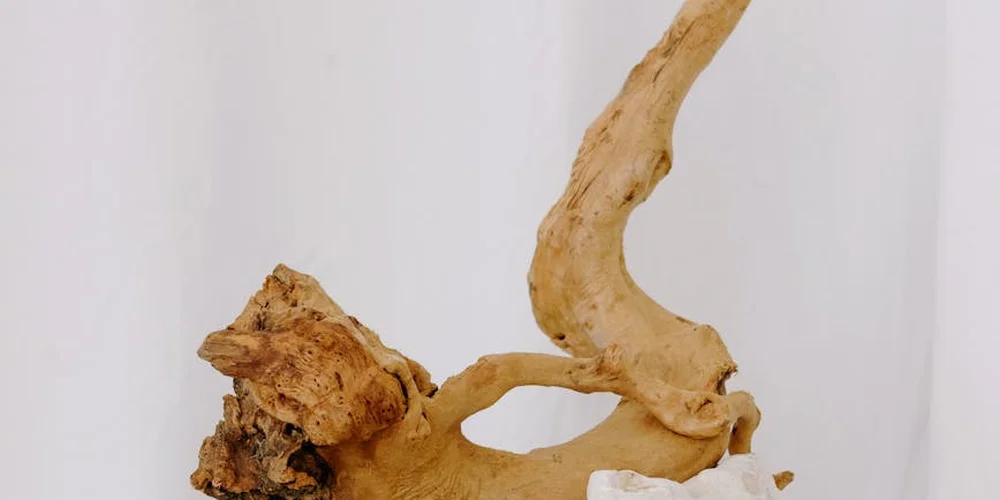
A beautiful habitat starts with safe, clean materials. Proper preparation prevents introducing harmful bacteria or pesticides into your turtle’s carefully controlled world. An ultimate turtle habitat cleaning schedule helps you maintain this standard with clear daily, weekly, and monthly tasks. It keeps the habitat consistently safe and visually appealing.
Cleaning and Sanitizing Woods and Plants
I never skip these steps. A little extra effort here prevents big problems later.
- Scrub Thoroughly: Use a clean brush and hot water to remove all dirt, loose bark, and debris.
- Soak and Bake: For woods, a long soak followed by baking at a low temperature (around 250°F) helps kill any lingering pests or mold. For plants, a mild bleach solution dip (one part bleach to ten parts water) followed by a thorough rinse is my go-to method.
- Rinse Again: Give everything a final, generous rinse with dechlorinated water to ensure no cleaning residues remain.
Arranging Items for Climbing, Hiding, and Green-Scaping
Think like a turtle when you design the space. They need variety and choice.
Create a landscape with different levels and densities, using taller plants and wood pieces to build visual barriers and cozy nooks. I always place a smooth, flat stone under the basking lamp and use cork bark rounds to create tunnels. This gives them options for climbing, hiding, and just observing their domain. For Bronte, I built a small hill with substrate and secured a piece of grapewood to it, which she uses every day to climb and survey her territory.
A Personal Note on Naturalistic Layouts
Setting up Austen’s first naturalistic terrarium was a lesson in patience and observation.
I found that clustering plants and woods together creates a more secure environment than scattering single items randomly across the enclosure. It mimics the clumped resources they would find in nature. I made the mistake once of not securing a piece of wood properly; it shifted and startled poor Austen. Now, I always ensure every log and rock is stable and can support my turtle’s weight without tipping. Watching them explore and interact with a well-planned habitat is one of the most rewarding parts of turtle care.
Styling Tips for a Naturalistic Turtle Tank
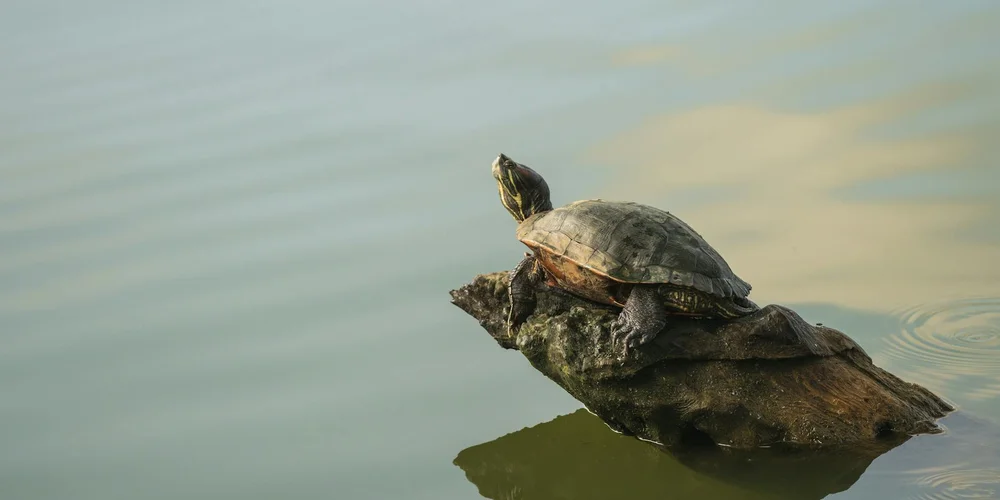
Creating a beautiful turtle habitat is like painting a living landscape. Think of your tank as a miniature ecosystem where every element serves a purpose for your turtle’s well-being.
I’ve spent years arranging and rearranging the homes for my three turtles, and I’ve found a few combinations that work beautifully.
Creative Habitat Combinations
- For a forest floor theme, use a large piece of Mopani wood as a centerpiece. Surround it with patches of safe moss and small spider plants. My Russian tortoise, Austen, loves nudging his way through this setup.
- Create a riverbank scene by positioning smooth, slate-like stones against a piece of grapevine. Add a cluster of Java Ferns where the “water” would meet the “land.” This gives aquatic turtles a perfect transition zone.
- Build a rocky outcrop by stacking turtle-safe stones around the base of a cholla wood piece. Tuck a Hens-and-Chicks succulent into the crevices. My Greek tortoise, Bronte, enjoys perching here to survey her domain.
Design Elements for Visual Appeal and Comfort
- Incorporate varying heights to create visual interest and exercise opportunities. Turtles enjoy climbing gentle slopes.
- Use different textures-rough bark, smooth stones, soft moss-to stimulate your turtle’s senses and promote healthy footpads.
- Create hiding spots using half-round cork bark pieces. Even my usually reserved box turtle, Orwell, becomes more active when he has secure places to retreat.
- Add visual depth by placing taller plants and woods toward the back of the enclosure, with lower-profile items in front.
Balancing Decor with Open Spaces
While we love creating beautiful habitats, our turtles need room to move. A cluttered tank can stress your turtle just as much as a barren one. Choosing the right tank size and shape is essential to give your aquatic turtle space to swim. We’ll help you pick the perfect tank size and shape for your turtle.
- Designate at least 40% of the floor space as open area for walking, swimming, or turning around comfortably.
- Keep basking areas completely clear of overhanging plants or decorations that might block UVB rays.
- Create clear pathways between key areas-food dish, basking spot, hiding places, and water source.
- For aquatic turtles, maintain a generous swimming lane free from dangling plant roots or protruding wood pieces.
Maintaining Your Turtle’s Natural Habitat Decor
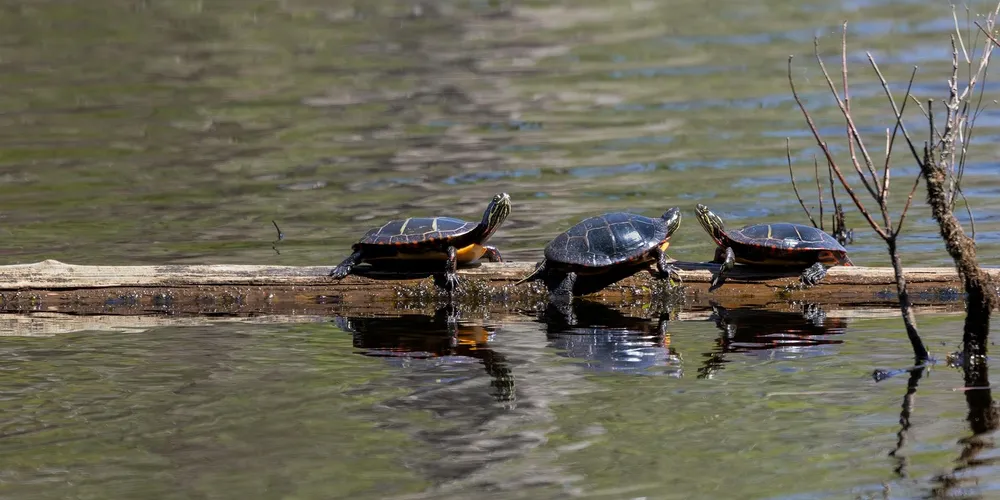
A beautiful habitat requires regular care to stay safe and healthy. Your turtle’s home should be a sanctuary, not a source of hidden dangers. To diagnose issues, use a habitat checklist that covers lighting, heat, and water. This helps ensure perfect lighting, proper heat, and clean water for your turtle.
Weekly and Monthly Maintenance Checklist
Based on my decade of turtle keeping, this routine has kept my three companions healthy and their habitats fresh.
- Weekly: Remove and rinse all wood pieces under hot water, scrubbing with a dedicated brush to remove algae and food debris.
- Weekly: Check live plants for yellowing leaves or damage, pruning as needed to maintain shape and health.
- Monthly: Soak porous woods in a bleach solution (1 part bleach to 20 parts water) for 15 minutes, then rinse thoroughly and sun-dry completely before returning to the habitat.
- Monthly: Gently uproot plants to check root health and replant any that have become loose or overcrowded.
- Daily: Spot-clean visible waste from the substrate and decor surfaces during feeding time.
Monitoring for Wear and Potential Issues
Regular observation helps you catch problems before they affect your turtle’s health.
- Check wood pieces for splintering or sharp edges that could injure your turtle’s skin or eyes. Sand down any rough areas immediately.
- Watch for white, fuzzy mold patches on wood, especially in humid environments. Remove and treat affected pieces promptly.
- Monitor plant growth to ensure they’re not overcrowding the space or blocking essential light to basking areas.
- Look for signs of digging or rearrangement by your turtle that might indicate discomfort with the current layout.
Addressing Common Habitat Problems
When issues arise, quick action protects your turtle’s welfare. A clean environment is the foundation of preventative healthcare for captive turtles.
- For persistent mold, bake the wood at 250°F for 2 hours to kill spores, then scrub thoroughly before reintroducing.
- If plants show signs of nutrient deficiency, consider adding turtle-safe fertilizer tabs away from where your turtle might dig them up.
- When decor becomes worn or damaged beyond repair, replace it promptly rather than trying to patch it temporarily.
- If your turtle repeatedly avoids certain areas, reconsider the placement or type of decoration-they’re telling you something’s not working for them.
FAQs
Can I use driftwood found at the beach in my turtle’s habitat?
No, beach driftwood may contain salt, pollutants, or harmful organisms that can endanger your turtle. Always opt for commercially prepared or thoroughly cleaned and cured driftwood to ensure it’s safe for use.
What should I do if my turtle eats a plant that might not be safe?
Immediately remove any remaining parts of the plant and monitor your turtle closely for signs of illness, such as lethargy or loss of appetite. If you notice persistent symptoms or new issues—like worsening lethargy, reduced appetite, or trouble breathing—seek veterinary care from a reptile specialist. Look out for turtle veterinary warning signs and contact a veterinarian experienced with reptiles for advice. Additionally, replace the plant with a known non-toxic variety.
How can I tell if a wood is safe for my turtle if I’m unsure?
Avoid any wood with a strong smell, visible sap, or from trees known to be toxic, like cedar or pine. When in doubt, research the wood type extensively or choose a pre-vetted safe option, such as cork bark, to prevent potential health risks.
Crafting a Lifelong Sanctuary for Your Shelled Companion
From my time with Austen and Bronte, I’ve seen how choosing non-toxic woods and plants transforms their habitat into a safe, engaging space. To keep turtles healthy, avoid toxic substrates and decor that can release fumes or harbor mold. Choose inert, easy-to-clean options instead. Always verify plant safety and properly clean any decor to prevent health issues and enrich your turtle’s daily life.
Owning a turtle is a commitment that grows with continuous learning and attention to their needs. Ethical considerations—such as whether keeping a turtle is the right fit for your home and ensuring sustainable sourcing—should guide your decision. Remember to assess your ability to provide appropriate habitat, temperature, diet, and veterinary care. Advocate for animal welfare by staying informed and adapting your care practices to ensure your pet thrives in a natural, loving home.
Further Reading & Sources
- Tips for Enhancing Your Turtle’s Habitat
- Turtle Tank Decor | Chewy
- DIY Outdoor Box Turtle Enclosure | how to make an outdoor tortoise habitat – Tatiana’s Tiny Zoo
- 25 Homemade Turtle Tank Ideas You Will Love – A-Z Animals
Matthew is a dedicated turtle enthusiast and conservationist with over 15 years of experience in reptile care. Known affectionately as "The Leatherback" among his peers, he combines his passion for turtles with a commitment to educating pet owners on responsible turtle care and environmental stewardship.
Substrate and Flooring