
Your New Turtle’s First 24 Hours: A Step-by-Step Acclimation Guide
Published on: March 5, 2026 | Last Updated: March 5, 2026
Written By: Matthew The
Bringing home a new turtle stirs up a mix of excitement and worry-will they feel stressed, eat properly, or settle into their new space safely? I remember feeling that flutter of concern when I welcomed Austen, my gentle Russian tortoise, and later Bronte and Orwell; those initial moments set the tone for a healthy, happy life together.
This guide covers habitat setup, safe handling, feeding routines, health monitoring, and stress reduction in easy-to-follow steps.
Preparing Your Turtle’s Habitat Before Arrival
Creating a perfect home before your turtle arrives is the kindest gift you can give. A properly set-up habitat immediately tells your new friend they are safe and secure. I learned this the hard way with my first tortoise, Austen; a rushed setup led to days of unnecessary stress for him.
Setting Up the Enclosure
Start with the tank itself. For most aquatic and semi-aquatic turtles, a 40-gallon breeder tank is a good starting point for a juvenile. Choosing the perfect tank size and shape for your aquatic turtle is the next essential step to ensure the habitat fits their activity and growth. Tailor the dimensions to your species and age to maximize swimming room and basking space. Bigger is always better, as cramped spaces can lead to stress and aggression. For my Russian tortoise, Austen, I use a large, custom-built wooden tortoise table that gives him plenty of room to roam.
- Tank Size: Aim for 10 gallons of water per inch of shell length. A growing turtle will quickly need more space.
- Substrate: For aquatic areas, large, smooth river stones are ideal. They are too big to be eaten. For land areas, I use a mix of organic topsoil and play sand for my box turtle, Orwell, to burrow in comfortably.
- Water Filtration: A canister filter is your best bet. Turtles are messier than fish, so you need a filter rated for two to three times the volume of your tank’s water.
Essential Equipment for Health
Lighting and heat aren’t just accessories; they are non-negotiable for your turtle’s survival. Proper UVB light is what allows a turtle to process calcium and build a strong, healthy shell. Without it, they can develop metabolic bone disease, a painful and preventable condition. That’s why UVB lighting is critical to set up correctly from day one, ensuring proper bulb type, placement, and maintenance for ongoing health.
- UVB Lamp: Use a linear fluorescent tube that covers at least half the enclosure’s length. Replace it every 6-12 months, as the UV output diminishes even if the bulb still lights up.
- Heat Lamp: This creates a “basking spot.” The basking area surface temperature should be around 90-95°F for most species. I use a simple halogen flood bulb for my turtles.
- Temperature & Humidity: The water temperature should stay between 75-80°F. The ambient air humidity depends on the species; my Greek tortoise, Bronte, needs around 50-60%, which I maintain with a shallow water dish and occasional misting.
Final Habitat Checklist
Run through this list right before you leave to pick up your turtle. A double-check now prevents a panicked store run later.
- Enclosure is clean, level, and secure.
- Water is dechlorinated and at the correct temperature.
- Filter is running smoothly.
- UVB and heat lamps are on and producing the right temperatures.
- Basking platform is dry, stable, and easily accessible.
- There are no sharp edges or small, ingestible objects in the habitat.
Bringing Your Turtle Home Safely
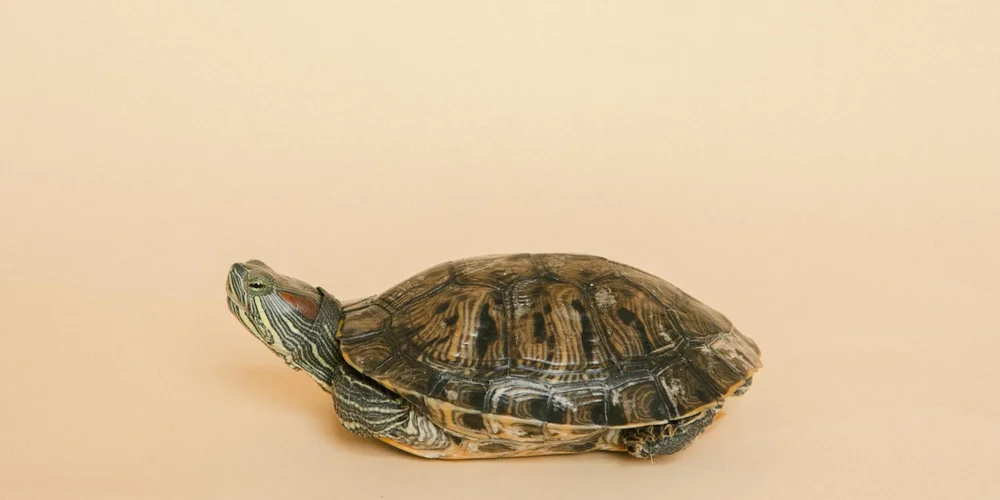
The car ride home can be frightening for a creature that just left its only known world. Your primary goal is to be a calm, steady presence during this transition. How you handle this journey sets the tone for your entire relationship.
Gentle Transport Methods
A small, secure carrier is far better than an open box. I use a plastic container with a secure lid and air holes, lined with damp paper towels. The darkness and humidity are soothing. For my box turtle, Orwell, I placed a small hide inside the carrier so he could feel hidden.
- Place the carrier on the floor of the passenger seat or secured with a seatbelt.
- Keep the car quiet. Avoid loud music and sudden stops.
- Drive directly home without any other errands.
Letting Your Turtle Adjust
Resist the powerful urge to immediately place your turtle in its beautiful new tank. Leave the turtle in its closed carrier, and place the entire carrier inside the room with its enclosure for about an hour. This allows their body temperature to gently equalize with the room and lets them acclimate to the new sounds and smells.
Critical Safety Precautions
Your new turtle is not a toy. It is a wild animal at heart, feeling vulnerable and scared. Limit all handling during the first 24 hours to only what is absolutely necessary. Sudden movements will be interpreted as a predator attack.
- Wash your hands before and after any contact.
- Support the turtle’s entire body from underneath; never pick them up by the sides of their shell.
- Move slowly and deliberately around the enclosure.
- Allow the turtle to explore its new home on its own terms. Do not force it into the water or onto the basking spot.
Introducing Your Turtle to Its New Enclosure
Gently lower your turtle into the shallow end of its new home, letting its feet touch the water first. This slow entry mimics a natural shoreline and prevents the shock of a sudden drop. I learned this with my Russian tortoise, Austen; a calm introduction set the tone for his entire adjustment period.
Before you even place your turtle inside, perform a quick but thorough check of the habitat. Ensure the basking area is dry, securely positioned, and heated to the proper temperature for your species. Verify the water depth is appropriate—shallow enough for easy breathing but deep enough for a little swim. This is part of diagnosing your turtle’s habitat checklist for perfect lighting, heat, and water. Checking these elements together helps ensure your turtle thrives. Finally, confirm that hiding spots are accessible and offer a sense of security from multiple angles.
Once your turtle is in the enclosure, the hardest part begins: you must step back. Resist the urge to hover and instead observe from across the room, allowing your new pet to explore its territory without a giant shadow looming overhead. This distance grants them the confidence to start mapping their new world. Keep handling to a minimum and let your turtle settle. This approach helps avoid the five critical mistakes new handlers commonly make when meeting a turtle for the first time.
Monitoring Behavior and Health in the First Hours
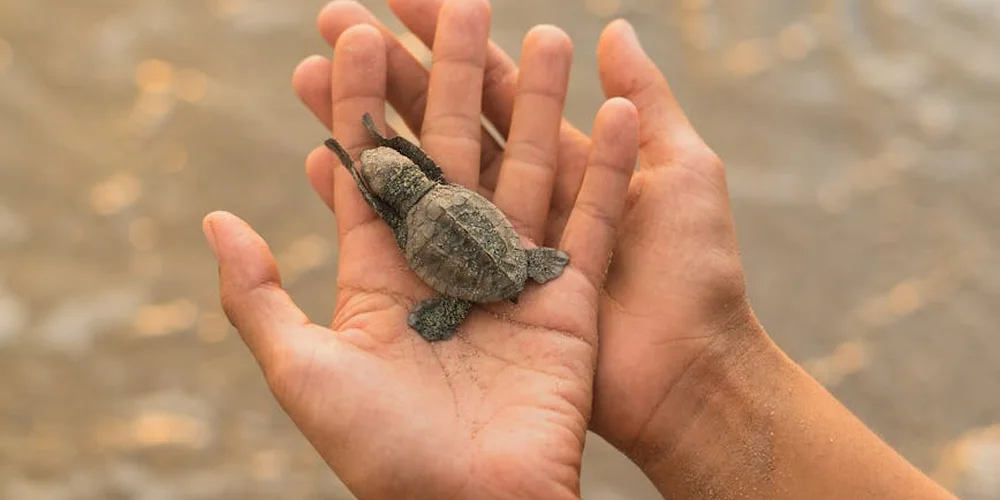
Keep a watchful eye for common indicators of stress. These can include remaining completely hidden for hours, frantic swimming against the glass, or a complete refusal to move. A healthy turtle might initially be shy, but prolonged lethargy or visible damage to the shell or skin warrants closer attention. If these signs persist, or you notice any other concerning symptoms, it may be time to see a veterinarian who specializes in reptiles. Early vet input can help address problems before they worsen.
Use this simple timeline to gauge what’s normal and what might be a concern:
- First 2-4 Hours: Hiding and stillness are perfectly normal. This is a period of high alert for your turtle.
- 4-12 Hours: You might see tentative head movement, a brief climb onto the basking area, or a small sip of water. These are excellent signs.
- After 24 Hours: If your turtle still hasn’t moved from its initial hiding spot, shows no interest in food, or has swollen eyes, it’s time to consult a reptile veterinarian.
Your observation should be a quiet activity. Sit still and avoid sudden movements or loud noises to get the most accurate read on your turtle’s true behavior. I often read a book nearby, giving my box turtle, Orwell, the peace he needs to feel secure while I subtly monitor his well-being.
Feeding and Hydration for a New Turtle

Your new turtle likely hasn’t eaten much during the stress of moving to your home. Offering a small, tempting meal is your first step toward building trust and ensuring their health. If it still won’t eat, don’t worry—offer a few small, tasty options and give it time. Consistent, calm encouragement often helps it start eating again.
Recommend First Food Options and How to Offer Them Gently
Start with simple, familiar foods. My tortoise, Austen, always appreciated a fresh leaf of romaine lettuce after any change in his environment.
- Dark, leafy greens like romaine, dandelion greens, or endive are excellent starter foods for many species.
- For aquatic turtles, try a small piece of a commercial turtle pellet soaked in tank water.
- Place the food in a clean, shallow dish or directly on a flat rock in their enclosure.
- Leave the food for a few hours and then remove any uneaten portions to keep the habitat clean.
Gentle presentation is more inviting than a large, overwhelming pile of unfamiliar food.
Explain Water Quality and Hydration Methods
Clean water is not a luxury for turtles; it is a fundamental need for drinking, soaking, and, for aquatic species, living.
- Always use a water conditioner to remove chlorine and chloramines from tap water. These chemicals harm delicate turtle systems.
- Provide a water dish large enough for your turtle to fully submerge itself if it chooses.
- For aquatic turtles, a powerful filter is non-negotiable for maintaining water quality between changes.
- Mist the enclosure lightly to provide hydration droplets for tortoises that may not immediately approach a water dish.
I never fill my turtles’ bowls with unconditioned tap water; it’s a simple step that prevents a world of health issues.
Address Refusal to Eat with Simple Solutions and Patience Tips
Do not panic if your turtle ignores its first meal. Stress is a powerful appetite suppressant.
- Double-check that the habitat temperature is warm enough. Turtles need heat to properly digest food.
- Try a different food. My Greek tortoise, Bronte, scorns kale but will eagerly eat hibiscus flowers.
- Leave the turtle completely alone for several hours with the food in place. Your presence can be intimidating.
- If 24 hours pass with no eating, you can try gently wiggling a favorite food item in front of them to stimulate interest.
Patience is your greatest tool during this adjustment period; a calm keeper makes for a calmer turtle.
Handling and Enrichment to Ease Stress
Your instinct might be to hold and bond with your new pet, but the most compassionate thing you can do is give them space. Respectful distance now builds a foundation for a trusting relationship later.
Advise on Minimal Handling to Build Trust
Limit handling to what is absolutely necessary, like a quick health inspection. My box turtle, Orwell, would retreat into his shell for hours after being handled too soon.
- Always support the turtle’s entire body from underneath. Never pick them up by the sides of their shell.
- Move slowly and deliberately. Avoid sudden movements or loud noises above them.
- Keep handling sessions very short, under five minutes, if you must interact.
- Wash your hands before and after contact to protect both you and your turtle.
Trust is earned through consistent, gentle care, not forced interaction.
Suggest Easy Enrichment Ideas to Encourage Activity and Comfort
A stimulating environment reduces stress and encourages natural behaviors. You do not need elaborate toys.
- Add a few large, smooth rocks and a piece of driftwood for climbing and basking.
- Provide a hiding place, like a half-buried terra cotta pot or a commercial reptile cave.
- Scatter a few edible leaves or flowers for them to find and forage.
- For aquatic turtles, a small, sinking mirror or a ping pong ball floating on the surface can spark curiosity.
A simple pile of leaves provided hours of entertainment for my turtles, encouraging them to explore their new world.
Highlight Safety Measures to Prevent Escapes or Injuries
Turtles are surprisingly strong and persistent. A secure habitat is a safe habitat.
- Ensure the enclosure walls are high enough and smooth to prevent climbing escapes.
- Use a secure, well-fitted screen lid if the enclosure is open-topped.
- Check that all heat lamps and electrical cords are completely out of reach and securely fastened.
- Place any water dishes or decorations in a way that prevents the turtle from getting stuck on its back.
Always err on the side of caution; a single overlooked gap can lead to a lost pet.
Planning Beyond the First Day
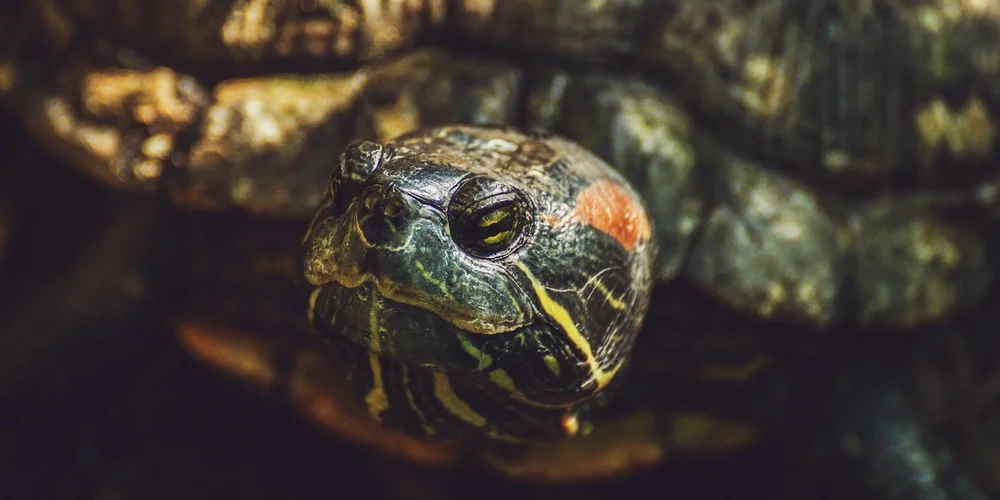
Your new turtle’s successful first day is just the beginning of a wonderful journey together. Consistent, thoughtful care in the following weeks builds the foundation for a long and healthy life. Think of this period as a gentle transition from initial survival to thriving in their new home. For the first 30 days, follow a simple week-by-week survival manual to guide care. This steady plan helps you notice changes quickly and stay confident in what to do next.
Establishing Your Ongoing Care Routine
A predictable routine provides immense comfort and security for your shelled friend. My tortoise, Austen, visibly relaxes when his day follows a familiar pattern. Creating a simple schedule makes care manageable for you and reassuring for your pet.
- Habitat Maintenance: Perform small, daily spot-cleaning of waste and uneaten food. Plan for a more thorough partial water change and substrate cleaning once a week.
- Water Quality Checks: Test the water parameters weekly for ammonia, nitrite, and nitrate levels. Clean water is non-negotiable for preventing shell and skin diseases.
- Weekly Health Inspections: Gently observe your turtle for clear, bright eyes, a firm shell without soft spots or discoloration, and alert, active behavior. This baseline helps you quickly spot any changes.
Making Gradual Adjustments
Avoid the temptation to change everything at once. Slow, incremental changes prevent stress and allow your turtle’s system to adapt smoothly. I learned this the hard way with Bronte, who refused to eat for two days after a too-swift diet change.
- Diet Evolution: If you need to switch food brands or introduce new greens, do so over a week. Mix a small amount of the new food with the familiar one, gradually increasing the ratio.
- Lighting and Temperature: Keep your UVB and basking lamps on a consistent 12-hour on/off cycle using a timer. This mimics a natural day/night rhythm and is crucial for their metabolism and shell health.
- Social Interaction: Limit handling to essential care for the first few weeks. Slowly introduce short, calm sessions of interaction outside the habitat, always supporting their entire body. Let them set the pace.
The Power of a Predictable Routine
Reptiles are creatures of habit, and a stable environment directly supports their immune function and mental well-being. A routine isn’t just convenient for you; it’s a core component of compassionate, responsible reptile guardianship. Feeding, turning lights on and off, and even talking to them at consistent times builds trust. You’ll soon notice your turtle anticipating these events, a sure sign they feel secure. This steady rhythm makes you a keen observer, helping you instantly recognize the subtle signs that something might be amiss.
FAQs
What should I do if my turtle flips over in its enclosure?
Gently right your turtle if you see it on its back to prevent stress or injury. Ensure the habitat has no steep slopes or unstable objects that could cause flipping.
Can I use a heat mat for my turtle’s basking area?
Heat mats are not recommended for turtles as they can cause burns and don’t provide the overhead heat needed for basking. To create the perfect basking area for your aquatic turtle, set up a dry, warm, accessible spot with a stable basking platform. Keep this area easily reachable from the water so your turtle can bask comfortably and dry off. Always use a dedicated heat lamp placed above the basking spot for safe and effective warming.
How can I tell if my UVB light is still effective?
UVB bulbs lose intensity over time, so replace them every 6 to 12 months even if they still produce visible light. For accurate monitoring, use a UVB meter, but following the replacement schedule is generally reliable.
Is it safe to introduce my new turtle to other pets in the house?
Keep other pets, like cats or dogs, away from the turtle’s enclosure to prevent stress and potential harm. Supervise any interactions only after your turtle is fully settled and shows no signs of fear, especially when introducing your turtle to supervised time outside.
What are the most common mistakes new owners make in the first 24 hours?
Avoid overhandling, using untreated tap water, and skipping the pre-arrival habitat check. Patience and thorough preparation are key to ensuring a smooth transition for your new turtle.
Your Turtle’s Journey Ahead
Focus on creating a calm, stable habitat with proper heat and hydration to ease your turtle into its new home. This gentle approach reduces stress and supports a healthy transition, much like what I’ve seen with my own Russian tortoise, Austen.
Embrace your role as a dedicated caretaker by staying curious and informed about turtle care needs. Continuous learning, inspired by pets like my Greek tortoise Bronte, ensures you provide a life full of well-being and joy.
Further Reading & Sources
- The Advanced Guide to Raising Baby Turtles – TropicZone Specialty Pet Foods
- Acclimating turtle to new water | Tortoise Forum
- Smooth Moves: Helping Your Turtle Adapt to a New Tank Home – Turtle’s Life
- r/turtle on Reddit: Acclimating a new turtle?
Matthew is a dedicated turtle enthusiast and conservationist with over 15 years of experience in reptile care. Known affectionately as "The Leatherback" among his peers, he combines his passion for turtles with a commitment to educating pet owners on responsible turtle care and environmental stewardship.
Safe Handling Techniques