
Heat Lamps vs. Under-Tank Heaters: Which Heating Method is Superior and Safer?
Published on: March 17, 2026 | Last Updated: March 17, 2026
Written By: Matthew The
If you’re weighing heat lamps against under-tank heaters for your reptile, you’re probably anxious about safety hazards like burns or fires and which option truly supports your pet’s health.
This article breaks down safety, effectiveness, costs, species-specific needs, and real-world insights from my reptile care.
Why Proper Heating Is Vital for Turtle Well-Being
Your turtle’s health hinges on a warm environment because they can’t regulate their own body temperature like we do. Proper heating supports everything from digestion to immune function, preventing common issues like shell rot or respiratory infections. I’ve seen this firsthand with my Russian tortoise, Austen-when his habitat stays consistently warm, he’s more active and eats better, just like in the wild.
Turtles rely on external heat sources to thrive, much like how we need sunlight for vitamin D. Without adequate warmth, their metabolism slows, leading to lethargy and poor nutrient absorption. My Greek tortoise, Bronte, once showed signs of sluggishness during a cooler spell, but adjusting her heating setup brought back her graceful movements and appetite.
- Boosts digestion and prevents impaction
- Enhances immune system resilience
- Promotes natural behaviors like basking and exploration
- Reduces stress and risk of illness
Advocating for animal welfare means ensuring their home mimics natural conditions as closely as possible. A well-heated habitat isn’t just a luxury-it’s a necessity for their long-term vitality and happiness. From my experience, even small temperature drops can affect turtles like Orwell, my box turtle, making him less interactive and more reserved.
How Heat Lamps Provide Essential Basking Warmth
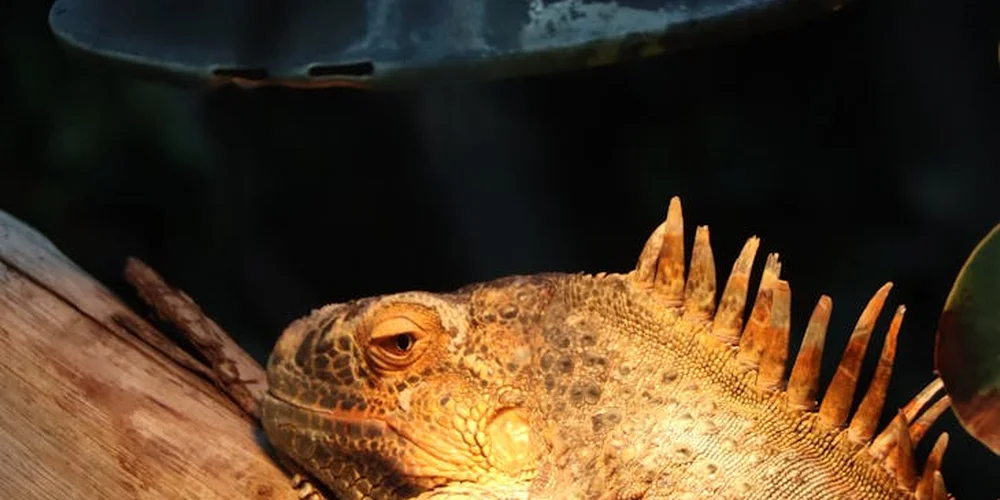
Heat lamps create a focused warm spot that encourages basking, which is crucial for your turtle’s thermoregulation. They mimic the sun’s rays, allowing turtles to absorb heat and UVB light for calcium metabolism and overall energy. UVB lighting isn’t optional—it’s critical for shell and bone health. Setting it up correctly, with the right bulb and proper placement, makes sure your turtle gets daily UV exposure. I use a heat lamp for Austen, and watching him stretch out under its gentle glow reminds me of how vital this ritual is for his steady personality.
Setting up a heat lamp involves positioning it over a dry basking area to avoid burns and ensure even warmth. This method lets turtles control their body temperature by moving in and out of the heated zone, just like they would in nature. With Bronte, I’ve noticed she basks more gracefully when the lamp provides a consistent, soothing heat that doesn’t fluctuate.
- Choose a lamp with adjustable height for temperature control
- Use a timer to simulate natural day-night cycles
- Pair with a UVB bulb for comprehensive health benefits
- Monitor regularly to prevent overheating or cool spots
From my years of care, heat lamps offer a safe way to replicate the warmth turtles crave without the risks of under-tank alternatives. They promote healthy shell growth and activity levels, as I’ve seen with Orwell, who becomes more curious and engaged under proper lighting. Always opt for models with safety features to protect your pet from accidental harm.
Understanding Under-Tank Heaters for Ambient Heat
An under-tank heater, or UTH, is a flat heating pad that adheres to the bottom of your turtle tank’s exterior glass. This device works by gently warming the substrate and the tank floor, creating a subtle ambient heat that rises throughout the enclosure. I’ve used these with my box turtle, Orwell, to provide a consistent, low-level warmth he appreciates.
Unlike a heat lamp’s focused beam, a UTH spreads its warmth more evenly. Think of it less like a spotlight and more like heated flooring for your turtle’s home. This is perfect for species that don’t bask as frequently but still need a stable, warm environment to thrive.
Key Advantages of Under-Tank Heaters
- Provide a gentle, consistent background heat.
- Ideal for maintaining stable nighttime temperatures without disruptive light.
- Out of reach, eliminating the risk of direct contact burns from your turtle.
- Energy-efficient and often quieter than heat lamp systems.
Critical Safety Considerations for UTHs
While generally safe, UTHs require careful setup. The single most important rule is to always use a high-quality thermostat with any under-tank heater. I learned this the hard way years ago with a malfunctioning pad that nearly overheated a tank.
- A thermostat prevents the pad from overheating, protecting your turtle and preventing glass cracks.
- Never place a UTH underneath a tank that is directly on a wooden surface; use the little rubber feet to create an air gap.
- Ensure the pad is properly adhered to a clean, dry glass surface to avoid air bubbles that can create hot spots.
Comparing Heat Lamps and Under-Tank Heaters for Superiority and Safety
There is no single “superior” choice; the best option depends entirely on your turtle’s specific biological needs and your enclosure setup. Superiority is defined by what most closely replicates the natural conditions your particular species evolved with. My Russian tortoise, Austen, thrives under his heat lamp, while Orwell prefers the subtle warmth from below. Substrate choices follow the same logic: different species need different floorings to mirror their native environments.
| Feature | Heat Lamp | Under-Tank Heater |
|---|---|---|
| Primary Function | Creates a basking spot for thermoregulation and digestion. | Provides gentle, ambient background heat. |
| Heat Type | Directional, infrared (radiant) heat from above. | Conductive heat rising from the tank floor. |
| Safety Risks | Risk of burns from direct contact; requires secure mounting. | Risk of overheating without a thermostat; can crack glass. |
| Ideal For | Basking species like most aquatic turtles and tortoises. | Species that require stable ambient warmth or supplemental nighttime heat. |
When to Choose a Heat Lamp
You should prioritize a heat lamp if your turtle is a dedicated basker. A proper basking area is non-negotiable for the shell health and digestive efficiency of most common pet turtles. Understanding why turtles bask helps in catering to their needs. My Greek tortoise, Bronte, spends her mornings meticulously positioning herself under its warmth.
- Essential for creating a temperature gradient (a warm basking zone and a cooler area).
- Provides the necessary dry heat for proper shell drying and prevention of fungal infections.
- Mimics the natural sun, supporting natural behaviors and vitamin D3 synthesis.
When an Under-Tank Heater Shines
An under-tank heater is your best tool for specific scenarios. I always use one as a secondary heat source during cold winters to keep the overall ambient temperature from dropping too low at night. It’s a safety net for your pet’s comfort.
- Perfect as a supplemental heat source alongside a primary basking lamp.
- Excellent for heating hospital or quarantine tanks where a calm, uniformly warm environment is needed.
- Ideal for species that are less inclined to bask but are sensitive to cool temperatures.
Key Safety Tips to Prevent Heating Hazards
Keeping your turtle’s habitat safe starts with smart heating choices. I always double-check my setup for Austen and Bronte to prevent accidents, like ensuring cords are out of reach and temperatures stay consistent. Additionally, be vigilant for the most critical health issues by watching for signs like lethargy, appetite loss, or shell abnormalities. If anything unusual shows up, consult a reptile veterinarian promptly. A simple mistake can lead to burns or fires, so follow these steps to protect your pet.
- Use a thermostat with any heating device to maintain precise control over temperature fluctuations.
- Position heat lamps at least 12 inches above the basking area to avoid direct contact and overheating.
- Inspect under-tank heaters weekly for cracks or wear, and never place them under water dishes where moisture can cause shorts.
- Create a thermal gradient by placing heat sources on one side, letting your turtle move between warm and cool zones freely.
- Monitor humidity levels with a hygrometer, as too much moisture near heaters can lead to electrical hazards.
From my years with Orwell, I’ve seen how a reserved turtle might hide under heaters if not monitored. Regularly feel the enclosure surfaces with your hand to spot hot spots before they harm your pet. This hands-on approach has saved me from close calls and kept my turtles content.
Species-Specific Heating Needs for Common Pet Turtles
Each turtle species thrives under unique heating conditions, much like how people prefer different room temperatures. Tailoring your setup to match their natural habits prevents stress and promotes healthy growth over time. When diagnosing your turtles’ habitat, start with a quick checklist for perfect lighting, heat, and water quality. This simple diagnostic approach helps you dial in the exact conditions they need. Based on caring for Austen, Bronte, and Orwell, I’ve fine-tuned their environments to mimic the warmth they’d find in the wild.
| Species | Type | Age | Colors | Personality | Heating Needs |
|---|---|---|---|---|---|
| Austen | Russian Tortoise | 10 | Brown and tan shell with dark markings | Gentle and steady | Requires a basking spot of 90-95°F with ambient temps around 75-85°F; under-tank heaters work well for gentle warmth at night. |
| Bronte | Greek Tortoise | 12 | Golden brown shell with dark blotches | Graceful and thoughtful | Prefers daytime heat lamps for basking at 95-100°F and cooler areas of 70-80°F; avoid sudden temperature drops. |
| Orwell | Box Turtle | 7 | Dark brown shell with yellow patterns | Reserved but intelligent | Needs lower basking temps of 85-90°F with high humidity; under-tank heaters help maintain ground warmth without drying out the enclosure. |
Observing Bronte’s graceful movements taught me that Greek tortoises enjoy radiant heat from above. Mimic their native Mediterranean climate with a heat lamp that offers a sunny retreat for daytime activity. Equally important is maintaining proper humidity levels in a terrestrial turtle habitat, as stable moisture supports shell health and respiration. I monitor humidity and adjust with misting to keep a comfortable, moist microclimate. For box turtles like Orwell, I combine under-tank warmth with occasional misting to support their reserved nature and shell health.
Adjusting heat sources as your turtle ages is key—younger ones may need more consistent warmth. Always provide hiding spots away from direct heat to let your pet regulate its body temperature naturally, reducing the risk of overheating or lethargy. Nighttime temperature matters too, and a quick guide to nighttime heat management can help you keep temps stable after lights out. This personalized care has kept my turtles thriving for years.
Installation and Maintenance for Reliable Heating
Setting Up Heat Lamps for Optimal Basking
Positioning a heat lamp correctly is crucial to mimic the natural sun your turtle craves. I always start by selecting a ceramic-based fixture to handle high temperatures without melting, which I learned after a close call with Austen’s setup years ago. Aim for a bulb that provides both heat and light, like a halogen or incandescent type, and place it 10-12 inches above the basking area to avoid overheating.
- Choose a secure lamp stand or clamp to prevent falls-this keeps your pet safe from burns or injuries.
- Use a thermostat to regulate temperature, ensuring it stays between 85-95°F for most species.
- Check the bulb weekly for dimming or damage; replace it every 6-12 months to maintain consistent warmth.
From my experience with Bronte, her graceful basking under a well-placed lamp shows how this method encourages natural behaviors. Regularly dust the fixture and inspect cords for fraying to prevent electrical hazards that could distress your turtle.
Installing Under-Tank Heaters Efficiently
Under-tank heaters offer a steady, low-level heat that works wonders for species like Orwell, my box turtle, who prefers subtle warmth. Always attach the heater to the outside bottom of the tank, never inside, to avoid direct contact that could cause overheating or burns. Cover only one-third of the tank’s base to create a thermal gradient, allowing your turtle to move between warm and cool zones.
- Clean the tank surface thoroughly before applying the heater for better adhesion.
- Pair it with a reliable thermostat to monitor and adjust temperatures, aiming for 75-85°F on the heated side.
- Place a thin layer of substrate over the area to diffuse heat evenly and prevent hot spots.
I’ve noticed that under-tank heaters require less daily fuss but demand vigilance. Inspect the heater monthly for signs of wear, like peeling edges or uneven heating, to ensure your turtle’s environment stays safe and cozy. Also, include a water quality testing maintenance schedule to keep water parameters stable. Regular checks for ammonia, nitrite, nitrate, and pH help you catch issues early and complement heater upkeep.
Routine Maintenance for Long-Term Safety
Consistent upkeep is key to preventing mishaps and promoting turtle wellness. For both methods, I set a weekly reminder to test temperatures with a digital thermometer, as fluctuations can stress pets like Austen, leading to health issues. Clean heat sources during tank deep-cleans to remove dust and debris that might reduce efficiency.
- For heat lamps: Wipe bulbs with a dry cloth and check fixtures for stability.
- For under-tank heaters: Feel the tank bottom periodically to detect overheating and ensure proper ventilation.
- Replace components at the first sign of wear-this simple habit has spared my turtles from unnecessary risks.
Advocating for animal welfare means prioritizing these checks. By maintaining your heating setup diligently, you provide a stable habitat that supports your turtle’s natural rhythms and overall happiness.
FAQs
Can I use both a heat lamp and an under-tank heater together?
Yes, combining both methods can create a balanced heating system that supports basking and ambient warmth. Always use separate thermostats for each device to prevent overheating and ensure safety.
How often should I check or replace my turtle’s heating equipment?
Inspect heat sources weekly for damage and replace bulbs every 6-12 months to maintain efficiency. For under-tank heaters, monitor monthly for wear and ensure proper adhesion to avoid hot spots.
What should I do if my turtle’s heating system stops working unexpectedly?
Immediately move your turtle to a temporary warm area and check for electrical issues or blown fuses. Have a backup heating plan, like a spare bulb or heater, to quickly restore a safe environment. Preparing your turtle habitat for a power outage is essential for their safety during such events.
Finding the Perfect Warmth for Your Turtle
Pick a heating setup that aligns with your turtle’s species and enclosure size to support their natural habits. In my years with Austen and Bronte, I’ve found that overhead heat lamps often deliver the steady basking heat many tortoises need for digestion and comfort. This, combined with proper lighting and heating requirements, is crucial for their well-being.
Embrace the journey of learning as part of being a devoted turtle guardian. Regularly observing pets like Orwell has taught me that small adjustments in care can greatly enhance their health and happiness.
Further Reading & Sources
- heating – What is the difference between heat lamps and infrared space heaters? – Home Improvement Stack Exchange
- r/preppers on Reddit: Heat Lamp vs Space Heater
- Why not heat my house w heat lamps? | Endless Sphere DIY EV Forum
- r/AskEngineers on Reddit: Are consumer heat lamps literally just regular incandescent light bulbs with a mirror coating?
Matthew is a dedicated turtle enthusiast and conservationist with over 15 years of experience in reptile care. Known affectionately as "The Leatherback" among his peers, he combines his passion for turtles with a commitment to educating pet owners on responsible turtle care and environmental stewardship.
Heating and Lighting