
General Sea Turtle Facts: A Calm Guide to Ocean Guardians
You might be wondering how sea turtles, those ancient mariners, navigate our vast oceans and what threats they truly face in today’s world. Having cared for turtles like Austen and Bronte on land, I’ve felt a deep connection to their sea-dwelling relatives and the urgent need to protect them.
We’ll explore: species, habitats, diet, reproduction, threats, and conservation efforts. This journey will help you appreciate their role and how we can all contribute to their survival.
Sea Turtle Species: A Colorful Family
The ocean hosts seven magnificent sea turtle species, each with a unique role in the marine ecosystem. Their diversity is a beautiful reminder of nature’s intricate design.
- Green Sea Turtle: Named for the greenish color of their fat, not their shell.
- Hawksbill Sea Turtle: Known for their beautiful, patterned shell, or “tortoiseshell.”
- Loggerhead Sea Turtle: Possesses a large head and powerful jaws for crushing prey.
- Kemp’s Ridley Sea Turtle: The most endangered species, known for its synchronized nesting.
- Olive Ridley Sea Turtle: Similar to Kemp’s but more abundant, also nesting in large groups.
- Leatherback Sea Turtle: The largest, lacking a hard shell and having a leathery carapace.
- Flatback Sea Turtle: Found only in Australia, with a flatter shell than other species.
Green sea turtles get their name from a surprising source. Their fat turns green from a diet rich in seagrass and algae. This is a perfect example of how diet directly impacts an animal’s physiology. In Kemp’s Ridley and Olive Ridley sea turtles, diet and eating habits similarly influence growth and health. Studying these patterns helps conservationists understand how changing prey availability affects each species.
| Species | Average Size (Carapace Length) | Primary Diet |
|---|---|---|
| Green | 3-4 feet | Herbivore (Seagrasses, Algae) |
| Hawksbill | 2.5 feet | Spongivore (Sea Sponges) |
| Loggerhead | 3 feet | Carnivore (Crabs, Conch, Jellyfish) |
| Kemp’s Ridley | 2 feet | Carnivore (Crabs, Shrimp, Mollusks) |
| Olive Ridley | 2-2.5 feet | Omnivore (Crabs, Shrimp, Jellyfish, Algae) |
| Leatherback | 4-6 feet | Carnivore (Jellyfish) |
| Flatback | 3 feet | Omnivore (Sea Cucumbers, Jellyfish, Soft Corals) |
Green Sea Turtles and Their Unique Hue
The green sea turtle’s distinctive internal coloring is a direct result of its herbivorous diet. This shows how deeply nutrition is woven into an animal’s very being. That’s also why it’s called the green sea turtle—the green hue comes from pigments in its plant-based diet that tint its body fat, not its shell.
I see a smaller-scale version of this with my tortoise, Austen. His steady diet of leafy greens keeps him healthy and vibrant. Providing the right food isn’t just about sustenance; it shapes their overall well-being.
Anatomy and Physical Adaptations
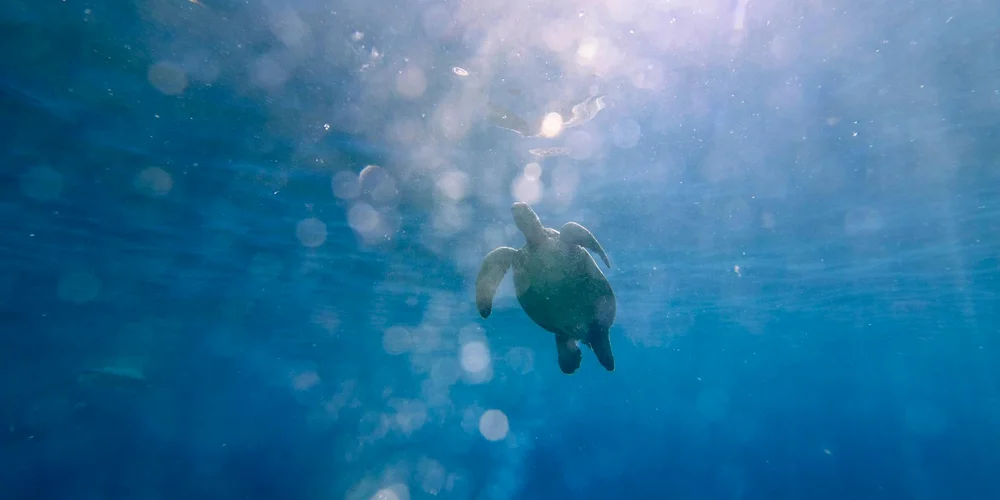
Sea turtles are marvels of evolutionary engineering, perfectly built for a life in the ocean. Their bodies are a testament to millions of years of adaptation.
- Streamlined Shell (Carapace): Reduces drag for efficient swimming.
- Powerful Flippers: Act as long, strong wings for propulsion.
- Salt Glands: Special glands near their eyes excrete excess salt from the seawater they consume.
- Large Lungs: Allow for deep dives and long periods underwater.
My box turtle, Orwell, has sturdy legs for walking on land. His shell is more domed for protection. Comparing them highlights how form perfectly follows function in the turtle world.
Flippers, Shells, and Survival Tools
Those long, paddle-like flippers are not just for casual swimming. They are powerful engines that propel sea turtles across entire oceans during migration.
Shell color and pattern also serve a critical purpose. The mottled colors of a hawksbill’s shell help it blend into the coral reef. A leatherback’s dark back helps it absorb heat from the sun in cold open waters.
When I handle my pet turtles, I notice their shells are designed for terrestrial life-offering protection from bumps and falls. A sea turtle’s shell is built for hydrodynamics, a fundamental difference born from their environments.
Habitats and Migratory Journeys
Sea turtles thrive across diverse ocean zones, from deep waters to shallow coasts. Their habitats include open oceans for travel, coral reefs for shelter, seagrass beds for feeding, and sandy beaches for nesting. Each area supports unique behaviors and survival needs.
- Oceans: Serve as highways for migration and deep-water foraging.
- Coral reefs: Offer hiding spots and rich food sources like sponges.
- Seagrass beds: Act as grazing grounds for herbivorous species.
- Nesting beaches: Provide safe spots for egg-laying, often on tropical shores.
Migration patterns are awe-inspiring journeys. Sea turtles travel thousands of miles between feeding and nesting sites, guided by Earth’s magnetic fields. This ensures they access optimal resources throughout their lives.
Temperature plays a key role in reproduction. Nest temperature determines hatchling sex, with warmer sands producing females and cooler ones males. This natural system is delicate and easily disrupted by climate shifts.
The nesting process follows a precise sequence. Females return to their natal beaches, often under cover of darkness, to lay eggs.
- They haul themselves onto the sand.
- Use their flippers to dig a deep body pit.
- Deposit a clutch of 50-200 eggs.
- Carefully cover the nest to protect it.
- Head back to the ocean, leaving the eggs to incubate.
Nesting Behaviors and Beach Life
Nesting rituals are timed and methodical. Incubation typically spans 45-70 days, but hatch success rates can be low due to predators or erosion. Only a fraction of hatchlings reach adulthood.
Beach temperature directly shapes population balance. Warmer nests yield more female hatchlings, while cooler ones favor males. From caring for my box turtle Orwell, I’ve seen how enclosure temperatures affect his activity and health, mirroring this wild phenomenon.
Proper temperature control in pet setups is non-negotiable. Just as sea turtles rely on stable beach conditions, your pet turtle’s habitat needs consistent warmth to prevent stress or developmental issues. I use thermostats for Austen and Bronte to mimic natural cycles, promoting well-being. When diagnosing your turtle’s habitat, use a quick checklist for perfect lighting, heat, and water. Together, these elements keep the setup balanced and healthy.
Diet and Foraging in the Ocean
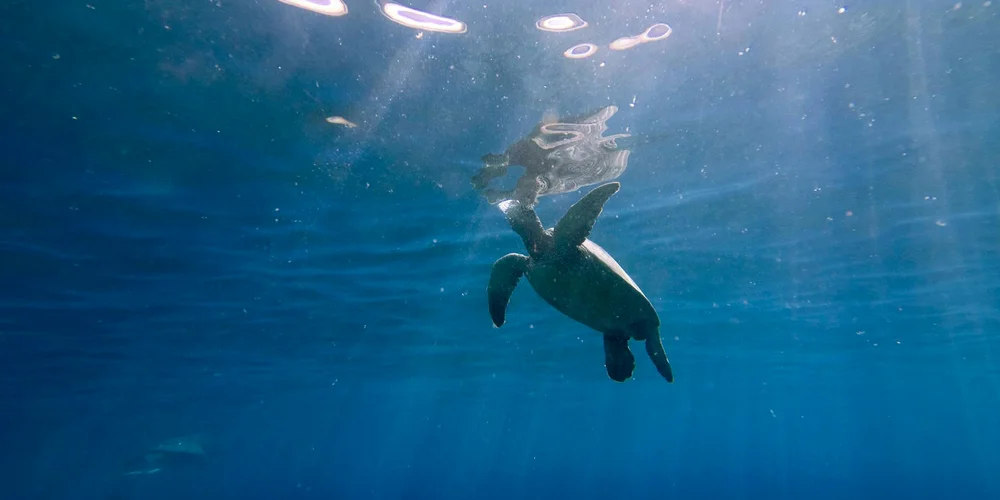
Sea turtles exhibit varied diets based on species and age. Some graze on marine plants, while others hunt prey like jellyfish or crustaceans. Their foraging styles adapt to available food sources.
Here’s a quick look at species-specific diets:
| Species | Primary Diet |
|---|---|
| Green Sea Turtle | Seagrasses, algae |
| Loggerhead | Crabs, mollusks, jellyfish |
| Leatherback | Jellyfish |
| Hawksbill | Sponges, sea anemones |
Foraging behaviors reflect these dietary needs. Green sea turtles methodically graze seagrass beds, whereas leatherbacks roam open waters for jellyfish blooms. In fact, green sea turtles are herbivores as adults, feeding on seagrass and algae. Juveniles may sample animal prey, but the adult diet is plant-based. Watching my tortoises Austen and Bronte nibble on leafy greens reminds me how innate feeding instincts persist, even in captivity.
Replicating natural diets in pet care supports health. Offer a mix of plants and proteins tailored to your turtle’s species, just as ocean varieties seek balanced nutrition. This approach, drawn from wild observations, helps prevent deficiencies and encourages natural behaviors. How to source and prepare fresh foods for your turtle is key to ensuring they receive proper nutrition.
Reproduction and Life Cycle Mysteries
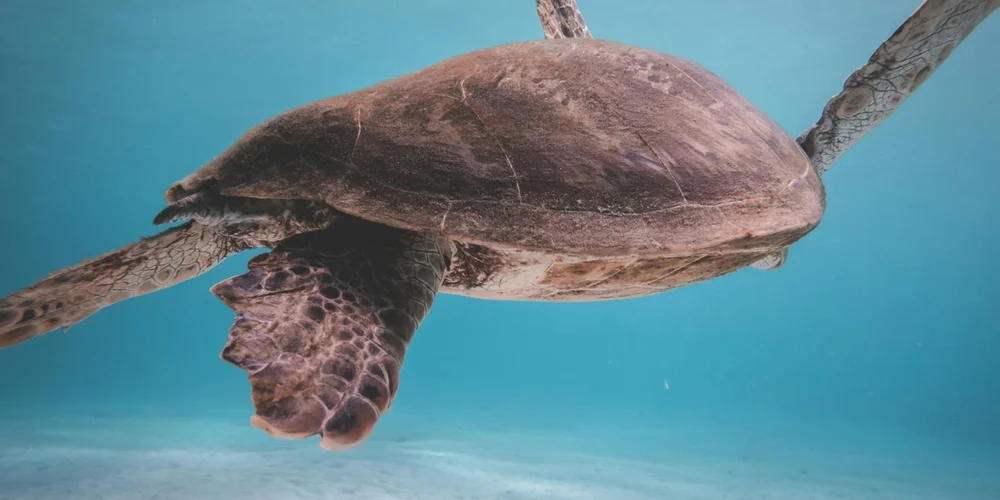
Sea turtles start their lives as tiny hatchlings scrambling from sandy nests to the ocean. Only about one in a thousand hatchlings survives to adulthood due to intense predation from birds, crabs, and fish. I’ve watched my Russian Tortoise Austen lay eggs in a safe enclosure, but sea turtle nests face natural and human threats like beach erosion and artificial lighting that disorients babies.
- Eggs incubate for about two months before hatchlings emerge, often at night to avoid predators.
- Hatchlings use moonlight to guide them to the sea, but coastal lights can lead them astray.
- Juvenile turtles spend years in open ocean, facing dangers like plastic ingestion and fishing nets.
- Adulthood brings migration across oceans for feeding and nesting, a journey spanning decades.
Compared to pet turtles like my Greek Tortoise Bronte, who enjoys a protected life, sea turtles have vastly lower survival rates because they lack human guardianship in the wild. Human activities like coastal development and pollution amplify these risks, making their early years a critical bottleneck.
Conservation: Threats and Protection
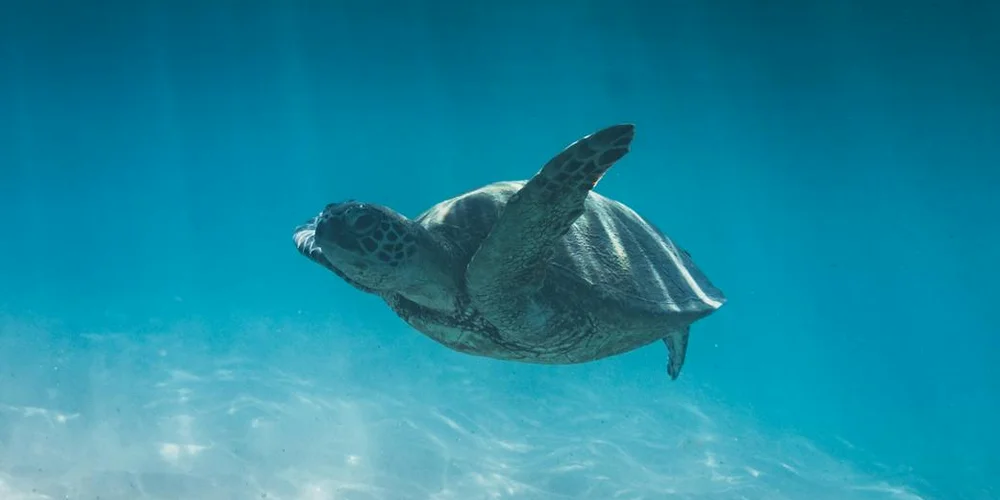
Sea turtles are keystone species, meaning their presence shapes marine ecosystems by maintaining healthy seagrass beds and coral reefs. Their grazing habits help control seagrass growth, which supports countless other marine creatures. Without them, these habitats could collapse, affecting biodiversity. That balance makes sea turtles essential to ocean health. Protecting them helps safeguard biodiversity, fisheries, and coastal resilience.
- Major threats include bycatch in fishing gear, where turtles get accidentally caught and drown.
- Pollution, especially plastic waste, is often mistaken for food and causes internal blockages.
- Climate change alters nesting beach temperatures, skewing hatchling sex ratios.
- Conservation efforts involve protected areas, turtle excluder devices in nets, and beach monitoring programs.
These protections are vital because sea turtles cannot thrive as pets. Their migratory nature and specialized diets make captivity harmful and often illegal under laws like the Endangered Species Act. I advocate for supporting wildlife sanctuaries instead of attempting to keep these majestic animals confined.
Why Sea Turtles Aren’t Pets
While my Box Turtle Orwell thrives in a backyard habitat, sea turtles require vast oceanic ranges that no home can provide. Keeping a sea turtle as a pet is not only unethical but also illegal for most species due to their protected status. Legal restrictions on owning turtle species vary by jurisdiction and are in place to protect wild populations. In many places, keeping wild or protected turtles requires permits or is prohibited outright. I learned this early on when researching proper care for my tortoises, realizing that wild animals belong in the wild.
- Legal protections: International agreements like CITES ban trade, and many countries enforce strict penalties for possession.
- Ethical concerns: Captivity causes stress, malnutrition, and prevents natural behaviors like long-distance migration.
- Comparison to pets: Species like Russian Tortoises adapt well to enclosures, but sea turtles suffer in confined spaces.
From my experience with Austen, Bronte, and Orwell, I’ve seen how even pet turtles need specific care, but sea turtles’ needs are impossible to meet in captivity. By respecting their wild nature, we help ensure future generations can witness their grace in the ocean.
FAQs
How long do sea turtles live?
Sea turtles can live for several decades, with some species surviving over 50 years in the wild. Their lifespan and aging depend on species, environmental conditions, and avoidance of threats like pollution or fishing gear.
Can sea turtles retract into their shells?
Unlike many pet turtles, sea turtles cannot pull their heads or flippers completely inside their shells. Their bodies are streamlined for swimming, sacrificing the protective retraction ability seen in land-dwelling species.
How do sea turtles sleep?
Sea turtles rest by settling on the ocean floor or floating motionless at the surface, often in calm, hidden spots. They can remain submerged for hours while sleeping underwater but must eventually rise to breathe air.
Your Turtle Care Journey Continues
General sea turtle facts remind us that proper habitat and species-specific diets are vital for any turtle’s well-being. Applying these principles to your pet turtle’s daily routine helps prevent health issues and supports a thriving life.
Your role as a caretaker involves ongoing education and a deep commitment to animal welfare. Stay engaged with trusted resources to ensure your turtle enjoys a safe, enriching environment for years to come.
Further Reading & Sources
- 10 Tremendous Turtle Facts | NOAA Fisheries
- 11 Amazing Facts About Sea Turtles – Oceanic Society
- Sea Turtle | World Wildlife Fund
- Green sea turtle facts for kids | National Geographic Kids
Matthew is a dedicated turtle enthusiast and conservationist with over 15 years of experience in reptile care. Known affectionately as "The Leatherback" among his peers, he combines his passion for turtles with a commitment to educating pet owners on responsible turtle care and environmental stewardship.
Aquatic Turtles