
Automating Your Turtle’s Habitat: A Simple Guide to Timers and Controllers
Published on: February 3, 2026 | Last Updated: February 3, 2026
Written By: Matthew The
Are you concerned that automating your turtle’s environment might overwhelm you or disrupt your pet’s delicate daily rhythm?
In this guide, we’ll walk through selecting reliable timers, integrating smart controllers, maintaining safety, and ensuring your turtle thrives with ease.
Essential Components for Turtle Habitat Automation
Building an automated habitat starts with a few key pieces of hardware. Each component plays a specific role in creating a seamless, hands-off environment for your turtle. I learned this the hard way after a cheap timer failed and left my Russian tortoise, Austen, in the dark for an evening.
- Timers: These are the simple brains of the operation. They turn devices on and off at set times. I use digital timers for their precision over the old dial types.
- Controllers: Think of these as the advanced central nervous system. They can manage multiple devices, create complex schedules, and even respond to sensor data like temperature.
- Relays: These are heavy-duty switches. A small signal from a timer or controller tells a relay to safely turn on a high-power device like a water heater.
- Actuators: These components create physical movement. An automatic feeder uses a small actuator to open and close a food hatch on schedule.
My Greek tortoise, Bronte, is a creature of delicate habit. Investing in reliable, name-brand timers and controllers has eliminated the stress of equipment failure and given me peace of mind.
Setting Up Automated Lighting for Natural Cycles
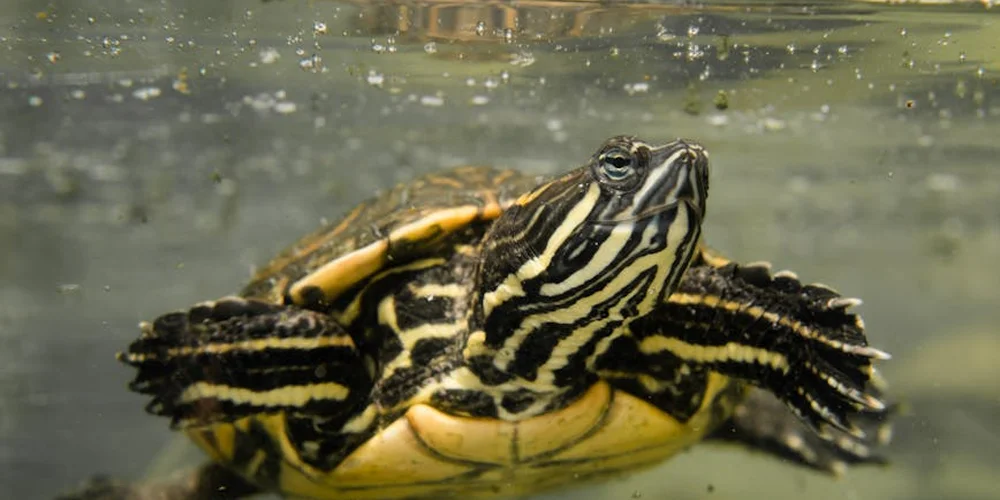
Lighting is the most impactful element you can automate for your turtle’s health. Consistent day-night cycles regulate their metabolism, sleep, and overall well-being. My box turtle, Orwell, becomes visibly restless if his lights are even thirty minutes off. Nighttime heat management matters as well: maintaining a gentle temperature drop at night helps them digest and sleep more soundly. If you’re looking for a practical approach, a quick nighttime heat temperature management guide can help you set safe temperatures after dark.
Program your timers to simulate a natural sunrise and sunset. I set mine for a 12-hour “day” and a 12-hour “night.” This consistent rhythm tells your turtle when to be active and when to rest, reducing stress significantly.
UVB lighting is non-negotiable for shell and bone health. Your UVB bulb should be on for 10-12 hours during the daytime cycle to allow for proper calcium absorption. Always pair it with a basking light for a complete sun-like experience.
To mimic seasonal changes, you can manually adjust the timer settings every few months. I shorten the “day” length by an hour in the winter and extend it in the summer to subtly suggest natural seasonal shifts. This gentle cue can influence breeding behavior and general activity levels.
Choosing the Right Lighting Equipment
Not all timers are created equal, especially when your turtle’s health is on the line.
- Mechanical Timers: These are the classic, dial-based timers. They are affordable and simple but can be less precise. I used one for years, but its timing would drift over weeks.
- Digital Timers: These offer pinpoint accuracy and often allow for multiple on/off cycles per day. This is what I use now for all my habitats.
- Smart Plugs/Wi-Fi Timers: These are the most flexible option. You can control them from your phone and create complex schedules. They are fantastic for energy efficiency as you can turn things off remotely if you forget.
For energy efficiency, look for timers and LED-based daytime bulbs that consume less power over the long run. The initial cost is higher, but the savings on your electricity bill add up, making it a win for you and the planet.
Regulating Temperature and Humidity Automatically
Getting the climate right inside your turtle’s home is one of the most impactful things you can automate. I’ve found that using precise thermostats and humidity sensors completely transforms their daily comfort and long-term health. My Russian tortoise, Austen, thrives with steady warmth, while my box turtle, Orwell, needs that perfect moist balance.
Temperature Control Techniques
Placement is everything for your thermostat’s probe. I mount mine directly at shell-level in the basking area, away from direct lamp light. This gives you a true reading of the heat your turtle actually feels, not just the air temperature near the bulb. For my crew, I set the thermostat to maintain a basking spot between 90-95°F.
- Always use a guard around heat lamps to prevent your curious turtle from touching the hot surface.
- Check the probe’s position daily to ensure it hasn’t been nudged or buried in substrate.
- Avoid placing the probe on a cold surface like the glass wall, which can cause a false low reading and overheat the habitat.
Humidity Management in Semi-Aquatic Habitats
Orwell’s semi-aquatic setup requires humidity around 60-80%. An automated misting system connected to a humidistat is a game-changer, providing gentle bursts of moisture throughout the day without you lifting a finger. It mimics the natural dew and rain they’d experience.
I use a system with a small pump and fine nozzles that create a fog-like mist. This prevents the substrate from becoming waterlogged while keeping the air properly saturated for healthy skin and shell. For my drier species like Austen, a large water dish and moist hide are often sufficient.
Automated Feeding and Water Quality Monitoring
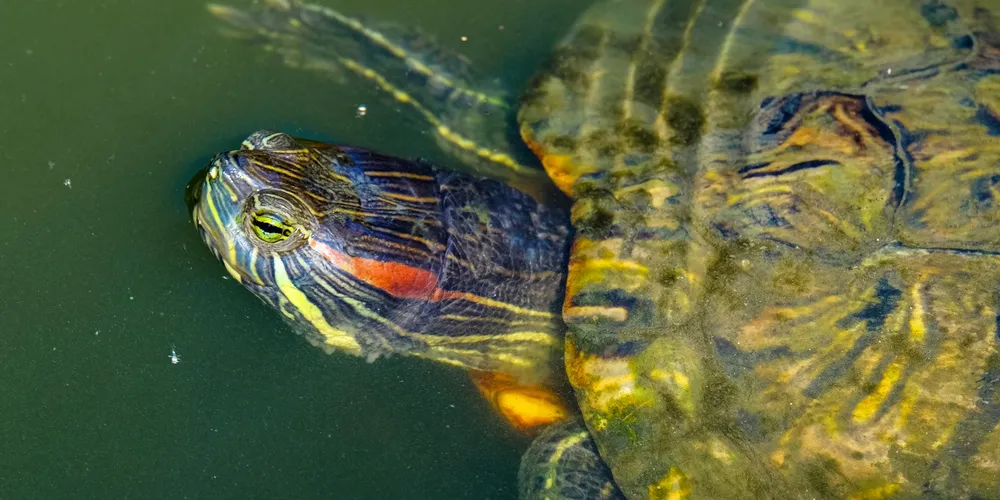
Automating meals and monitoring water parameters gives you incredible peace of mind. An automatic feeder allows for consistent feeding times, which is great for routine, but you must always double-check it’s working correctly. I learned this the hard way when a piece of food jammed the mechanism.
For water quality, I rely on a multi-sensor unit that constantly checks temperature, pH, and ammonia levels. Setting up custom alerts on my phone for any parameter drift lets me act before it becomes a problem for my turtles. I aim for a pH between 6.5 and 8.0 and ammonia at absolute zero.
- Test your automated feeder with the specific food you use to ensure it dispenses the right amount without clogging.
- Place water sensors in an area with good flow, away from the filter output, for the most accurate readings.
- Calibrate pH and ammonia sensors monthly using calibration solutions to maintain their accuracy.
Integrating Filtration and Water Changes
A powerful, automated filter is the heart of a clean aquatic environment. I use a canister filter rated for a tank twice the size of my turtles’ actual enclosure, which provides superior mechanical and biological filtration. This keeps the water crystal clear and reduces harmful waste buildup.
For maintenance, I follow a strict schedule. Partial water changes of 25% are automated with a slow-drip system, which is far less stressful for the turtles than large, sudden changes. This mimics a gentle, continuous stream. I also run a regular water quality testing schedule. Tests for ammonia, nitrite, nitrate, pH, and temperature guide any adjustments.
- Clean filter media in old tank water every 3-4 weeks to preserve beneficial bacteria.
- Inspect all tubing and connections weekly for signs of wear or leaks.
- Perform a full system check and sensor calibration on the first of every month.
Ensuring Safety and Redundancy in Your Setup
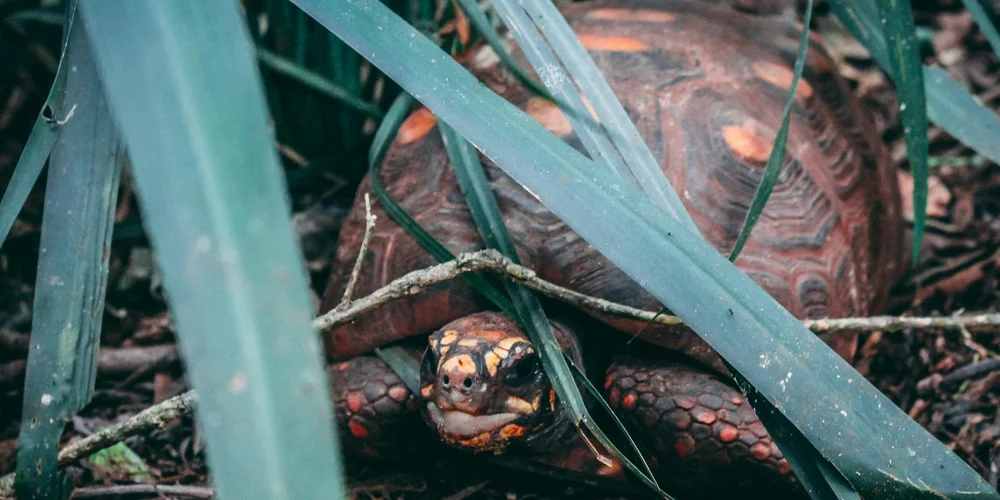
Your turtle’s habitat relies on automation for comfort, but safety comes first to prevent mishaps. I always set up backup power sources, like uninterruptible power supplies (UPS), to keep heaters and lights running during outages. This simple step saved my Russian Tortoise Austen from a chilly night when our power flickered off unexpectedly. Here’s how you can prepare your turtle’s habitat for a power outage.
- Install surge protectors to shield equipment from voltage spikes.
- Use timers with battery backups to maintain schedules even if power fails.
- Place cords out of reach to avoid chewing or entanglement risks.
Circuit design matters to avoid overloading and potential fires. Spread high-wattage devices, like basking lamps, across different circuits to prevent tripping breakers. I learned this after overloading a single outlet for Bronte’s Greek Tortoise setup, which could have led to a dangerous situation.
- Label each circuit clearly for easy identification during maintenance.
- Incorporate fuses or circuit breakers tailored to your equipment’s amperage.
- Regularly inspect wiring for fraying or damage, especially in humid environments.
Troubleshooting common issues starts with simple checks. If a timer fails, test it with another device to rule out user error before assuming a malfunction. For instance, when Orwell’s Box Turtle habitat lights didn’t turn on, I found a loose plug rather than a faulty controller.
- Reset timers after power surges to restore programmed settings.
- Monitor temperature and humidity sensors for drift, recalibrating as needed.
- Keep a log of incidents to spot patterns and address root causes quickly.
Power Management and Energy Efficiency
Efficient power use not only cuts costs but reduces environmental impact. Choose LED bulbs for lighting, as they consume less energy and produce minimal heat compared to incandescent options. Switching to LEDs for Austen’s enclosure lowered my electricity bill and kept his space cooler.
- Set timers to turn off non-essential devices during inactive hours, like at night.
- Use smart controllers that adjust output based on real-time conditions to avoid waste.
- Insulate habitats properly to maintain temperatures with less heater runtime.
Sizing equipment appropriately prevents energy drain and equipment strain. Match heater wattage to your tank size; too powerful a heater can overwork and fail prematurely. For Bronte’s smaller Greek Tortoise pen, a low-wattage heater proved more reliable and efficient than a oversized one.
- Consult manufacturer guidelines for load capacities to avoid overloading circuits.
- Opt for energy-star rated devices when available for better efficiency.
- Regularly clean filters and vents to ensure optimal performance and lower energy use.
Species-Specific Automation Tips
Different turtle species have unique needs that automation must address for their well-being. Box turtles, like my reserved Orwell, thrive with timers that mimic natural light cycles to support their diurnal habits. I set his lights to gradually dim at dusk, reducing stress and encouraging natural behavior.
- For red-eared sliders, automate water heaters and filters to maintain stable aquatic temperatures and cleanliness.
- Russian tortoises, such as gentle Austen, benefit from timed basking spots that replicate their arid native climates.
- Greek tortoises like graceful Bronte need controlled humidity levels, so use humidistats alongside timers.
Outdoor habitats require extra adjustments for weather and seasonal changes. Incorporate weatherproof controllers that shut off systems during rain or extreme heat to protect equipment and turtles. When I moved part of Orwell’s setup outdoors, a rain sensor prevented electrical hazards during storms.
- Adjust timer schedules for shorter days in winter to align with hibernation cues for species that brumate.
- Use thermal blankets or automated covers to insulate outdoor enclosures during cold snaps.
- Monitor outdoor temperatures with remote sensors to trigger heating or cooling as needed.
Hibernation adjustments are crucial for species that undergo this natural process. These steps are part of a complete guide to turtle brumation and hibernation. Following them helps ensure a safe, healthy dormancy. Gradually reduce light and heat via programmable timers over weeks to simulate autumn and prepare turtles for dormancy. With Orwell, I slowly shortened his daylight hours, which helped him enter hibernation smoothly without health issues.
- Consult a vet before automating hibernation setups to ensure species-specific safety.
- Keep backup monitors in place to alert you if temperatures drop too low during dormancy.
- Post-hibernation, use timers to gradually restore conditions, avoiding sudden shocks to their system.
Advanced Automation: Data Logging and DIY Electronics
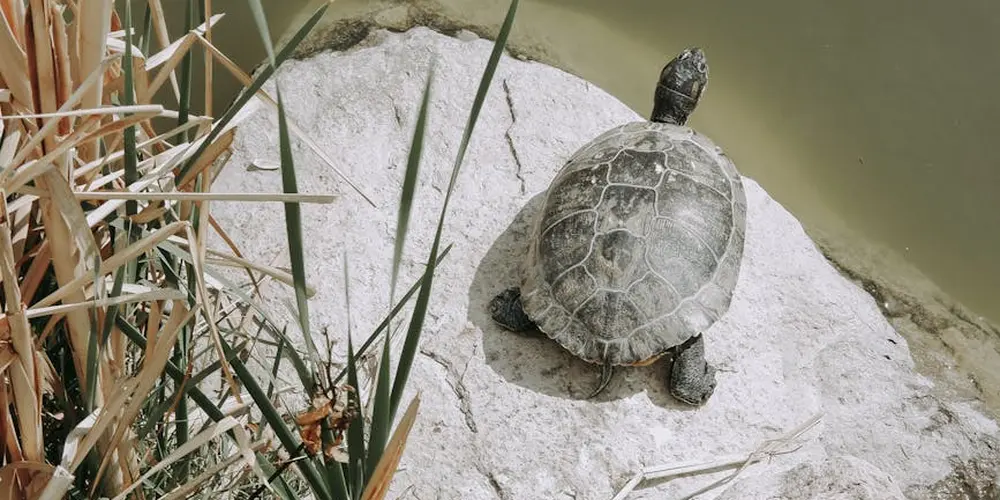
Once your basic timers are running smoothly, you can elevate your turtle’s habitat to a new level of precision. Logging data over time gives you a powerful window into the subtle rhythms of your turtle’s environment. I track the temperature in Bronte’s enclosure, and noticing a slight dip at night helped me adjust her ceramic heat emitter’s timer for perfect consistency.
How to Log Data and Adjust Conditions
You don’t need a lab to start collecting useful information. A simple digital thermometer/hygrometer with a memory function is a great start.
- Record temperature and humidity at the same times each day for a week.
- Note any patterns, like a midday temperature spike from direct sunlight.
- Use this data to fine-tune your timer schedules and equipment placement.
- For example, if humidity drops too low after the mister turns off, you can program it for shorter, more frequent cycles.
This proactive approach lets you solve small problems before they affect your turtle’s health. I once caught a failing UVB bulb because my light timer’s log showed it was turning on for progressively shorter periods. UVB lighting is critical for turtles because it enables vitamin D3 production, which supports calcium metabolism and shell health. A reliable, properly set up UVB system helps prevent metabolic bone disease and keeps your turtle active and thriving.
Using Arduino or Raspberry Pi for Custom Setups
For the ultimate in control, DIY electronics like Arduino or Raspberry Pi are fantastic tools. These small computers let you build a completely bespoke habitat management system. You can program them to do almost anything.
- An Arduino can read data from multiple sensors (temperature, humidity, water pH) and control outlets based on that data.
- A Raspberry Pi can host a local web page, allowing you to check on and adjust conditions from your phone.
- You could program a system that turns on a fogger only when both temperature is high and humidity is low.
The learning curve is real, but the reward is a habitat perfectly tailored to your specific turtle’s needs. I built a simple Arduino rig for Orwell that dims his basking light gradually at “sundown,” mimicking a more natural day cycle which has noticeably calmed his evening behavior. This underscores why turtles spend so much time out of water basking—basking supports thermoregulation and shell health. It also informs how we shape habitat features like basking platforms and lighting to fit their natural rhythms.
Maintenance Schedule for Long-Term Reliability
Even the most advanced system is useless if it fails. A consistent maintenance routine is the backbone of any automated habitat. This prevents emergencies and gives you peace of mind.
- Daily: Visually check that all lights and equipment turn on and off as scheduled.
- Weekly: Wipe down sensors and camera lenses to ensure accurate readings and clear views.
- Monthly: Test all backup systems. Unplug a primary heater to confirm the backup kicks in.
- Every 6 Months: Check all wire connections for corrosion or fraying, especially near water.
- Annually: Replace any non-LED lights on a strict schedule, even if they still appear to work, as their output degrades over time.
Treating maintenance as non-negotiable protects your investment and, most importantly, your turtle’s well-being. A ten-minute weekly check is far better than a panicked late-night equipment failure.
FAQs
How to calibrate sensors to avoid false readings and maintain accuracy?
Use calibration solutions specific to each sensor type, such as pH buffer liquids, and follow the manufacturer’s guidelines for precise adjustments. Regularly test and recalibrate sensors monthly to ensure they deliver reliable data for optimal habitat conditions.
How to prevent thermostat creep and ensure consistent basking spots?
Position thermostat probes at shell level in the basking area, away from direct lamp heat, to measure the actual temperature your turtle experiences. Opt for digital thermostats with tight tolerances and check their settings weekly to avoid gradual temperature shifts that could stress your pet. This step is part of diagnosing your turtle’s habitat against a checklist for perfect lighting, heat, and water. Regularly reviewing readings helps confirm all three elements stay within ideal ranges and catch drift early.
What sensor types are best for monitoring water temperature, pH, and ammonia in a turtle habitat?
Submersible digital thermometers are ideal for water temperature, while glass electrode sensors provide accurate pH readings, and ion-selective or colorimetric sensors work well for ammonia detection. Select durable, waterproof models that integrate easily with controllers for continuous, real-time monitoring and alerts.
Your Automated Habitat Journey
Set up reliable timers for your lights and heater to create a stable, day-night cycle that mimics nature. Pairing this automated foundation with your daily hands-on care gives your turtle the best of both worlds. For the first 30 days, follow a week-by-week survival manual to guide feeding, basking, and health checks. It’s a practical roadmap to help you track progress and adjust care as your pet grows.
Remember, these tools are assistants, not replacements for your watchful eye and dedicated research. A truly thriving turtle is the result of your ongoing commitment to understanding their unique needs.
Further Reading & Sources
- How to Create Smart Turtle Habitat: Use Smart Accessories for Optimal Care
- r/turtle on Reddit: Self sustaining turtle tank habitat?
- Automating a Turtle Home for Total Comfort | Bluespark
- The Ultimate Guide to Setting Up a Turtle Habitat – Talis Us
Matthew is a dedicated turtle enthusiast and conservationist with over 15 years of experience in reptile care. Known affectionately as "The Leatherback" among his peers, he combines his passion for turtles with a commitment to educating pet owners on responsible turtle care and environmental stewardship.
Heating and Lighting