
Turtle Diet Debunked: 8 Feeding Myths That Actually Harm Your Pet
Published on: March 14, 2026 | Last Updated: March 14, 2026
Written By: Matthew The
You might think you’re feeding your turtle a perfect diet, but common myths could be slowly undermining their health and happiness.
We’ll debunk myths like feeding only lettuce, overusing pellets, ignoring dietary variety, skipping calcium needs, misjudging protein, offering unsafe human foods, assuming all species eat the same, and neglecting hydration.
The Truth Behind Common Turtle Diet Myths
Many turtle owners unknowingly follow outdated advice that spreads like wildfire online and in pet stores. These myths can quietly sabotage your turtle’s health over time, leading to preventable issues.
- Myth: Turtles thrive on lettuce alone. Debunk: Lettuce lacks essential nutrients and can cause malnutrition; opt for dark, leafy greens like kale or dandelion greens instead.
- Myth: Feeding turtles bread is safe and filling. Debunk: Bread offers no nutritional value and can lead to digestive blockages and obesity.
- Myth: Turtles don’t need UVB lighting if they eat well. Debunk: UVB light is vital for vitamin D3 synthesis, which helps turtles absorb calcium for strong shells and bones.
- Myth: Pellets provide a complete diet without supplements. Debunk: While convenient, pellets should be part of a varied diet with fresh foods to prevent deficiencies.
- Myth: Turtles can eat any fruit in large amounts. Debunk: High-sugar fruits like grapes or bananas should be occasional treats to avoid weight gain and metabolic issues.
- Myth: Feeding turtles daily prevents hunger. Debunk: Overfeeding leads to obesity; most adult turtles do better with meals every other day.
- Myth: Calcium supplements aren’t necessary for aquatic turtles. Debunk: All turtles need calcium sources, like cuttlebone or dusted foods, to prevent soft shell syndrome.
- Myth: Turtles naturally know what to eat in the wild. Debunk: Captive turtles rely on you for balanced nutrition, as their environment lacks natural foraging variety.
Ignoring these truths can result in shell deformities, lethargy, and shortened lifespans. By correcting these myths, you give your turtle a fighting chance for a vibrant, healthy life.

Essential Components of a Healthy Turtle Diet
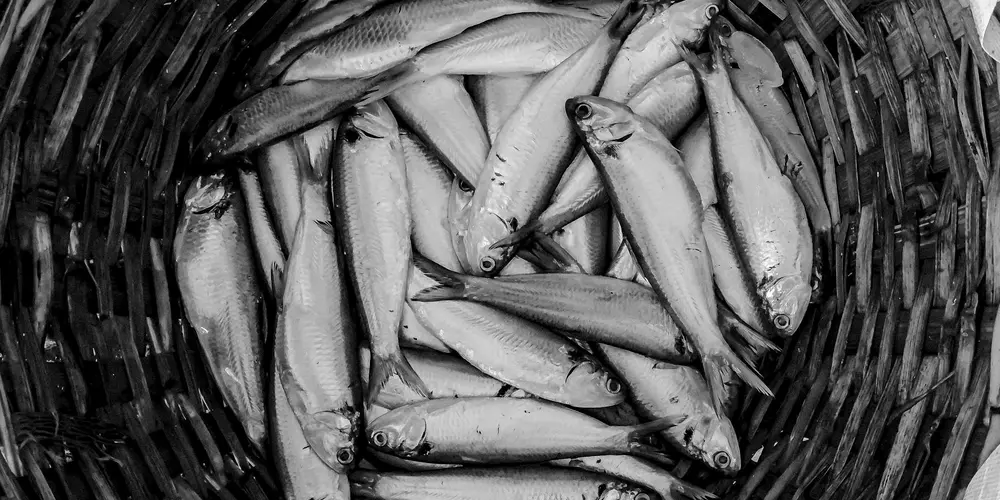
A well-rounded diet adapts as your turtle grows, much like how children’s nutritional needs change. Tailoring food to life stages prevents common health pitfalls and supports steady development. For baby turtles, a feeding guide outlines their special nutritional needs and safe starter foods to support healthy growth.
Nutritional Requirements by Life Stage
- Hatchlings (0-1 year): Focus on high-protein foods like small insects or commercial pellets to fuel rapid growth; feed daily in small portions.
- Juveniles (1-5 years): Balance proteins with more vegetables; aim for a 50-50 split to support shell strength and energy.
- Adults (5+ years): Shift toward plant-based diets with limited proteins; for many species, 70% vegetables and 30% proteins works well to maintain weight.
The Role of Calcium, Vitamin D3, and UVB Lighting
Calcium builds strong shells, but without vitamin D3 from UVB exposure, turtles can’t use it effectively. I’ve seen my Greek tortoise Bronte bask for hours under her UVB lamp, which helps her process calcium from leafy greens. Provide 10-12 hours of UVB light daily and dust food with calcium powder twice a week for optimal health.
Proper Ratios of Proteins, Vegetables, and Fruits
Aim for a mix that mimics natural habits: proteins like worms or fish for omnivores, dark greens for fiber, and fruits as occasional rewards. For my box turtle Orwell, I stick to 40% proteins, 50% vegetables, and 10% fruits to keep his energy up without overloading on sugar.
Personal Experience with Balanced Feeding Schedules
With my Russian tortoise Austen, I feed him every other day-a rotation of collard greens, grated carrots, and a pinch of calcium. This routine has kept his shell smooth and his demeanor calm over the past decade. Adjust schedules based on species and activity levels; observe your turtle’s behavior to fine-tune portions.
Are Leafy Greens Safe for Your Turtle?
Not all greens are created equal, and some can quietly sabotage your turtle’s health. I learned this the hard way when my Russian tortoise, Austen, developed a slight shell softness after I got overzealous with spinach. The culprit wasn’t the spinach itself, but a compound hidden inside.
Safe vs. Unsafe Greens
Think of leafy greens in two camps. One group builds strong bones and vitality. The other group, while not toxic, contains substances that block nutrient absorption.
- Safe Greens (Go-To Staples): Dandelion greens, endive, escarole, turnip greens, and hibiscus leaves. These are low in oxalates and high in calcium.
- Use Sparingly (Occasional Treats): Spinach, kale, and beet greens. They are high in oxalates and can interfere with calcium if fed too often.
The Oxalate Problem
Oxalates are natural compounds that bind to calcium inside your turtle’s gut. This binding action creates an insoluble crystal that passes right through their system, stealing the calcium they desperately need for a strong shell and skeleton. It’s like pouring a glass of water into a bucket full of holes; the body can’t hold onto the nutrient.
Recommended Greens Guide
Here’s a quick visual guide to help you plan your turtle’s salads. Frequency is key to a balanced diet.
| Leafy Green | Feeding Frequency | Notes |
|---|---|---|
| Dandelion Greens | Daily Staple | High in calcium, a favorite of my Greek tortoise, Bronte. |
| Endive & Escarole | Daily Staple | Excellent low-oxalate base for any salad. |
| Turnip Greens | 3-4 Times/Week | Another fantastic, calcium-rich option. |
| Kale | Once a Week | Fine in very small, infrequent amounts. |
| Spinach | Rarely (if ever) | Best to avoid due to very high oxalate content. |
My Personal Salad Bar Observations
Watching my three shelled friends has been enlightening. Austen, my Russian tortoise, will meticulously pick around kale to get to the dandelion greens first. Bronte, the Greek tortoise, eats gracefully but decisively, always finishing her endive. Orwell, the box turtle, is the most curious, sampling everything but consistently leaving spinach leaves for last, almost as if he knows.
Protein Myths: When Meat Becomes Dangerous
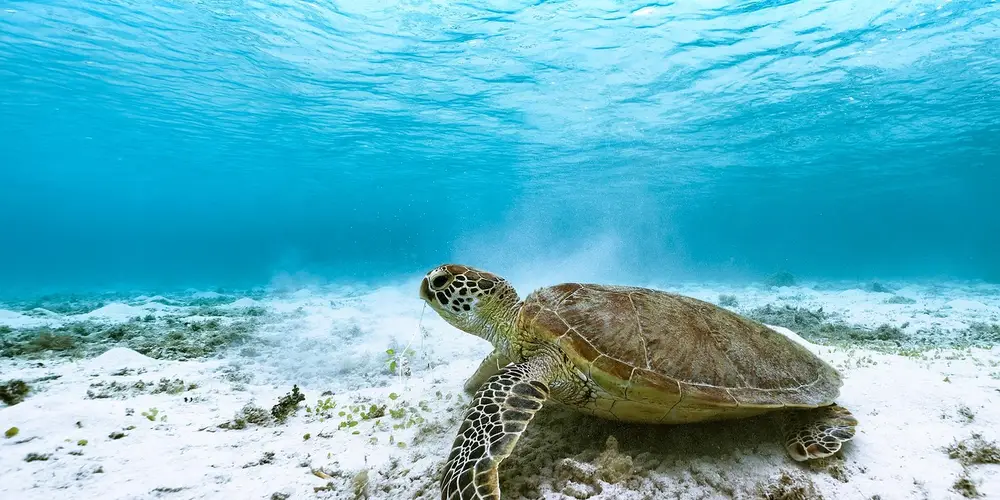
Many turtle owners see their pet’s eager reaction to meat and assume it should be a diet cornerstone. This is a dangerous path. Feeding too much animal protein is one of the fastest ways to cause severe, irreversible health issues in most pet turtles. For safety, if you include any human foods, stick to turtle-safe options like chopped leafy greens, shredded carrots, and squash, and avoid meat and dairy. Offer these only as occasional treats in small amounts.
Debunking the Meat-Only Myth
Turtles are not wolves with shells. While some species are more carnivorous, especially as juveniles, the idea of a meat-only diet is a complete misconception for the vast majority of adult pet turtles. Their digestive systems are simply not designed to process high volumes of animal protein long-term.
Appropriate Protein Sources
Protein should be a supplement, not the main course. Here are some safe options and how often to offer them.
- Earthworms: A fantastic, natural source. Offer once a week for most adult tortoises, twice a week for box turtles.
- Commercial Turtle Pellets: High-quality brands are formulated with the right protein-to-plant ratio. 2-3 times a week is sufficient.
- Small Snails or Slugs: (From pesticide-free areas only). A great source of enrichment and calcium from the shell.
- Pre-killed Feeder Fish: An occasional treat for aquatic species, but not a staple.
The Risks of Excessive Protein
Overloading your turtle with protein puts immense strain on their kidneys, which must filter out the waste products. This can lead to painful kidney stones and eventual kidney failure. Furthermore, rapid growth fueled by high protein can cause pyramiding-a condition where the scutes on the shell rise into pyramid-like bumps, creating a permanently deformed and weakened shell.
Comparing Species’ Protein Needs
Protein requirements are not one-size-fits-all. It’s a spectrum based on their natural diet.
- Russian & Greek Tortoises (like Austen and Bronte): These are primarily herbivores. As adults, they need a very low-protein diet, around 10-15% of their intake. Protein should be an infrequent treat.
- Box Turtles (like Orwell): They are omnivores. They require more protein than tortoises, about 30-40% of their diet. This can be offered twice a week in the form of insects, worms, or a small amount of high-quality, low-fat dog food.
- Aquatic Turtles (e.g., Red-Eared Sliders): Juveniles are mostly carnivorous, but adults shift to a more omnivorous diet. Adjust protein from 50% down to 25% as they mature.
Foods That Should Never Enter Your Turtle’s Habitat
Many well-meaning owners share food from their own plates, not realizing some items are toxic to turtles. I learned this lesson early when a tiny piece of cheese offered to my Russian tortoise, Austen, led to a very upset digestive system.
- Dairy Products (milk, cheese, yogurt): Turtles lack the enzymes to digest lactose. This causes severe digestive upset and can lead to malnutrition.
- Processed Human Foods (bread, chips, candy): These items contain salts, sugars, and preservatives that a turtle’s kidneys cannot process, potentially causing fatal organ failure.
- Avocado and Rhubarb: These plants contain persin and oxalic acid, respectively, which are potent toxins for reptiles.
- Onions and Garlic: These can cause oxidative damage to red blood cells, leading to anemia in turtles.
- Iceberg Lettuce: It’s mostly water and offers no nutritional value, filling your turtle up without providing necessary vitamins and minerals.
- Processed Meats (lunch meat, hot dogs): High in salt and preservatives, these are a direct threat to your turtle’s renal health.
- Certain Raw Vegetables (spinach, beet greens): They contain oxalates that bind to calcium, preventing its absorption and leading to metabolic bone disease over time.
After the cheese incident with Austen, I now keep a list of safe alternatives on my fridge. Instead of offering a piece of bread, try a fragment of a dandelion green or a small slice of zucchini. These satisfy their curiosity without the health risks.
How Diet Directly Impacts Shell Health and Longevity
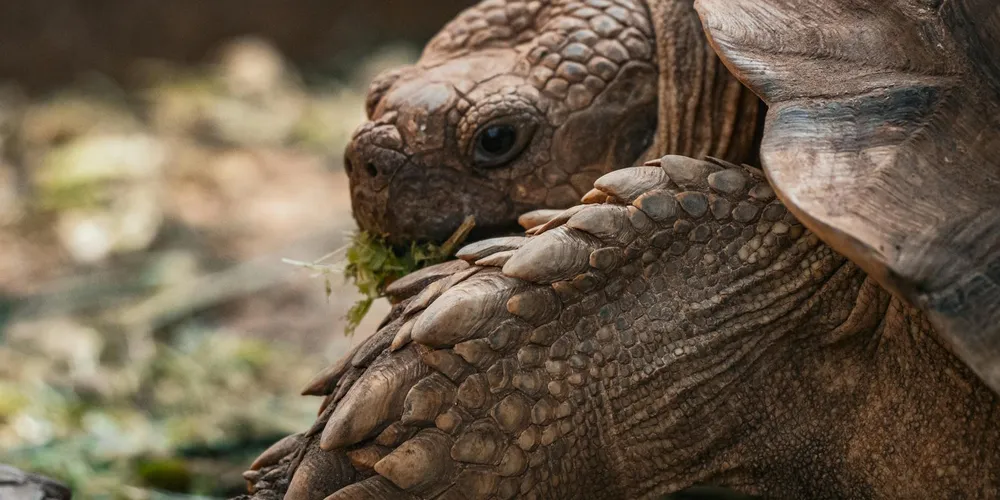
Your turtle’s shell is not just armor; it’s a living, growing part of their skeleton. For aquatic turtles, a balanced diet that includes live foods, formulated pellets, and leafy vegetables helps keep the shell strong. A varied menu supports calcium uptake and overall health. Every meal you provide either builds a strong, resilient shell or slowly weakens its structure from within.
Calcium is the primary building block for the shell’s bony plates. Without enough of it, the shell becomes soft, malformed, and prone to pyramiding-a condition where the scutes grow upward in pyramid-like shapes. I’ve seen this in rescued turtles, and correcting their diet can stop the progression, but it cannot reverse the existing damage.
The Vital Calcium-D3-UVB Triangle
This relationship is non-negotiable for a healthy turtle.
- Your turtle needs dietary calcium.
- It needs UVB light to synthesize Vitamin D3 in its skin.
- Vitamin D3 acts as the key that allows the turtle’s body to absorb and use that calcium.
If any part of this triangle is missing, the entire system fails. You can dust all the food with calcium powder you want, but without proper UVB lighting, your turtle cannot use it effectively. My Greek tortoise, Bronte, basks for hours under her UVB lamp, and her shell has maintained a smooth, graceful curve for over a decade.
Proper hydration is the unsung hero of shell health. A well-hydrated turtle has suppler skin and a shell that can grow evenly. In turtle shell biology, adequate hydration supports the growth and maintenance of both the bone beneath the shell and the keratinous scutes on top. I provide a shallow water dish large enough for all my turtles to soak in, and I mist their greens with water before feeding. This simple act encourages drinking and supports their overall organ function, which directly contributes to a long, vibrant life.
Watching my box turtle, Orwell, age gracefully has been a masterclass in this. His reserved personality means he’s meticulous about his basking and hydration, and at seven years old, his dark shell with intricate yellow patterns remains flawless and hard as stone. A proper diet doesn’t just prevent illness; it actively builds a foundation for decades of health.
Wild vs Captive Diets: Understanding the Critical Differences
Watching my Russian tortoise, Austen, methodically explore his enclosure for a stray dandelion leaf is a world away from how he’d eat in the wild. Their entire relationship with food is fundamentally different in captivity, and misunderstanding this is a primary source of health issues.
Natural Foraging vs. Captive Feeding
In the wild, a turtle’s day revolves around finding food. This constant, low-level activity provides mental stimulation and physical exercise. My Greek tortoise, Bronte, would walk miles in her native habitat for a sparse, varied meal.
- Wild turtles spend hours browsing on diverse, fibrous plants and the occasional insect.
- Captive turtles are often presented with a bowl of food, eliminating the need to work for their meal.
- This lack of foraging leads to boredom and can contribute to weight gain.
Why Wild Diets Fail in Captivity
You might think feeding a “natural” diet is best, but it’s rarely that simple. The plants growing in your backyard are not nutritionally identical to the native flora a wild turtle has evolved to eat. You can learn how to source and prepare fresh foods for your turtle to ensure they get the nutrients they need.
I learned this early on. A weed I thought was safe for my box turtle, Orwell, caused a minor digestive upset because its nutrient profile was different from his wild counterparts’ food. Wild diets are tailored to a specific environment; we must tailor a captive diet to meet all their needs in a controlled space.
Seasonal Feasts and Famines
A wild turtle’s menu changes with the seasons. Spring brings tender, protein-rich new growth, while late summer offers drier, more fibrous vegetation. They naturally go through periods of plenty and scarcity.
- Captive feeding is often monotonous and consistently abundant.
- This lack of seasonal variation can disrupt natural metabolic rhythms.
- We must consciously introduce variety to mimic these natural shifts in nutrition.
Insights from Observing Wild Feeding
From studying wild populations, it’s clear they are opportunistic but selective eaters. They will sample many things but consistently return to certain reliable, nutrient-dense plants. This behavior shows us that variety and choice are not just preferences; they are biological imperatives for a healthy turtle. Recreating this selective, varied browsing in captivity is one of our biggest responsibilities as owners.
Recognizing Signs of Dietary Deficiencies in Turtles
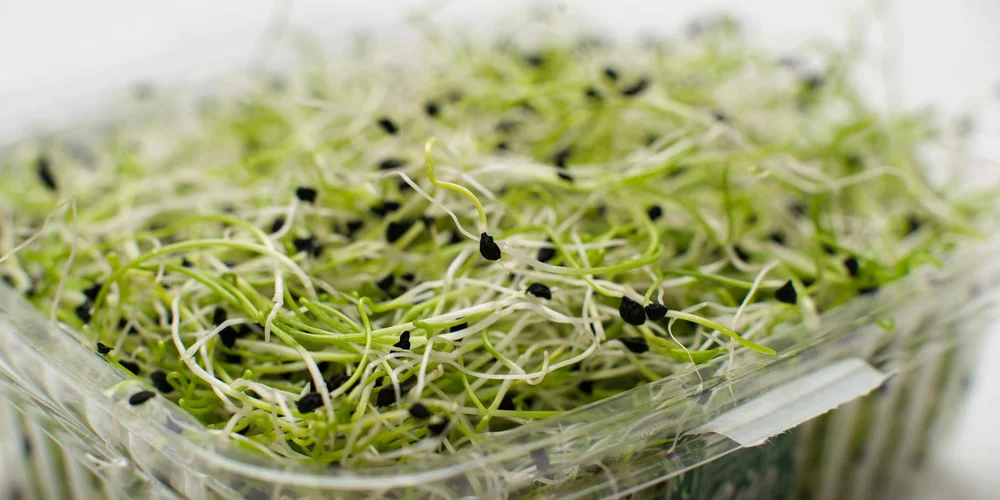
Catching a dietary problem early can save you and your shelled friend a lot of trouble. Turtles are masters at hiding illness, so you must become a keen observer.
Visual and Behavioral Red Flags
Your turtle’s body and behavior are the most honest indicators of its health. Don’t ignore these common signs.
- Soft, misshapen, or peeling shell (often Calcium or Vitamin D3 related).
- Swollen or puffy eyes, sometimes kept closed (Vitamin A deficiency).
- Lethargy and a lack of appetite (can indicate multiple issues).
- Overgrown beak or nails (lack of abrasive foods or surfaces).
Symptom-to-Nutrient Deficiency Guide
| Symptom | Likely Deficiency |
|---|---|
| Soft, rubbery shell | Calcium and/or Vitamin D3 |
| Swollen eyelids, respiratory infections | Vitamin A |
| Lethargy, loss of appetite, weakness | General malnutrition, protein, or other vitamins |
| Difficulty shedding skin or scutes | Various vitamins, poor overall diet |
Immediate Corrective Feeding Strategies
If you spot a minor issue, you can often correct it with dietary changes. The key is to act swiftly but thoughtfully, not by drastically overhauling their diet overnight.
- For suspected calcium deficiency, immediately dust their food with a high-quality calcium powder without phosphorus.
- For Vitamin A, offer finely grated orange vegetables like squash or carrots, but be careful as too much can also cause issues.
- Ensure they have access to proper, full-spectrum UVB lighting to process the calcium and vitamins you’re providing.
When to Seek Veterinary Care
Your attentive care at home is vital, but some situations demand professional expertise. If your turtle shows severe symptoms like a completely limp shell, refuses food for more than a few days, or has swollen eyes that don’t improve with diet, it’s time for the vet. Other warning signs include lethargy, breathing changes, or swelling. If you notice any of these, Turtle signs need veterinary care.
I never hesitate to call my exotic vet when Orwell or Bronte seem “off.” Blood work and a professional assessment can pinpoint problems that are impossible for us to diagnose at home, ensuring our pets get the precise care they need to thrive.
Common Questions
What should a healthy turtle diet include?
A healthy turtle diet should include a variety of dark, leafy greens, appropriate proteins like insects or worms, and occasional fruits. It is also essential to provide proper calcium supplementation and UVB lighting for nutrient absorption. To create a balanced diet for your omnivorous turtle, mix plant matter with appropriate animal protein at each feeding. Regularly vary greens, fruits, and insect proteins to cover all nutritional bases.
Is a meat-only diet ever appropriate for turtles?
A meat-only diet is generally not appropriate for most adult pet turtles, as it can cause severe kidney strain and shell deformities. Some juvenile and specific aquatic species require more protein, but it should always be part of a balanced, varied diet. If animal protein is used, lean poultry such as chicken can be included as part of that protein mix. This should be guided by a turtle nutrition guide to determine appropriate portions and frequency.
Which foods should be avoided for pet turtles?
You should completely avoid dairy products, processed human foods like bread and candy, and toxic plants like avocado and rhubarb. Also, limit iceberg lettuce and high-oxalate greens like spinach, as they offer little nutrition or can block calcium absorption.
Do wild turtles have different diets than captive turtles?
Yes, wild turtles have access to a diverse, seasonal range of native plants and insects through natural foraging. Captive turtles rely entirely on their owners to provide a nutritionally complete diet that mimics this variety in a controlled environment.
What are signs of dietary deficiencies in turtles?
Common signs include a soft, rubbery shell from calcium deficiency and swollen eyes from a lack of Vitamin A. Lethargy, loss of appetite, and difficulty shedding are also red flags for general malnutrition.
Your Turtle’s Journey to Better Health
From my time with tortoises like Austen and Bronte, I’ve found that a balanced, varied diet prevents many common health issues. Always research your turtle’s specific needs and avoid feeding myths, such as relying solely on one food type, to ensure they get proper nutrition. For instance, not all plants and flowers are safe for turtles to eat.
Owning a turtle is a rewarding responsibility that grows with your knowledge and care. Keep exploring reputable resources and observing your pet’s behavior to support their well-being and advocate for animal welfare in every choice you make.
Further Reading & Sources
- 11 Turtle Myths & Misconceptions to Stop Believing | PangoVet
- What do turtles eat? Whether in the wild or your home, here’s the reptile’s diet
- What Sea Turtles Eat | Sea Turtle Diet – SeaWorld San Diego
- What Do Turtles Eat? | Food, Habitat, & Variation | Britannica
Matthew is a dedicated turtle enthusiast and conservationist with over 15 years of experience in reptile care. Known affectionately as "The Leatherback" among his peers, he combines his passion for turtles with a commitment to educating pet owners on responsible turtle care and environmental stewardship.
Turtle Myths and Misconceptions