
Decoding Turtle Body Language and Coloration Changes
Published on: March 11, 2026 | Last Updated: March 11, 2026
Written By: Matthew The
Have you ever watched your turtle and wondered what its subtle movements or shifting colors truly mean? It can be worrying when you aren’t sure if a behavior is a sign of contentment or a cry for help.
In this guide, we’ll explore shell tapping, eye bulging, color vibrancy, and signs of stress or illness. Learning this silent language will transform your bond with your shelled companion.
Reading Your Turtle’s Basic Body Language
Your turtle communicates volumes without making a single sound. Learning their non-verbal cues is like learning a new, silent language that brings you closer. My Russian tortoise, Austen, often rests with his legs comfortably splayed out and his neck extended, a picture of pure contentment. This relaxed posture is a turtle’s way of saying, “All is well in my world.”
When a turtle feels curious and safe, you’ll notice a slow, deliberate extension of the head and neck to investigate new objects or scents. This exploratory behavior is a sign of a confident and engaged pet. If your turtle acts strange, a quick behavioral diagnostic checklist can help you tell normal curiosity from potential issues. My Greek tortoise, Bronte, does this when I introduce new edible flowers into her enclosure.
- Basking with Limbs Outstretched: This is the turtle equivalent of lounging in a sunbeam. It indicates they feel secure and are regulating their body temperature.
- Retracted Head and Limbs: A quick pull into the shell often means something startled them. It’s a neutral, instinctual response, not necessarily fear.
- Slow, Blinking Eyes: A turtle closing its eyes slowly while you’re near often shows trust and comfort with your presence.
Identifying Stress Signals and Fear Responses

Recognizing when your turtle is stressed is vital for their welfare. A stressed turtle is a turtle that cannot thrive, and their health can quickly decline. I’ve learned to watch for subtle shifts in behavior, especially with my more reserved box turtle, Orwell. It’s crucial to have regular checkups to catch any health issues early. During a turtle’s routine veterinary checkup, a vet can often spot stress signs before they become severe.
Head and Neck Positions That Signal Discomfort
Pay close attention to how your turtle holds its head. A head that is constantly retracted, with the neck tightly pulled in, is a classic sign of prolonged unease. This is different from a brief, startled retraction.
Another clear signal is what I call the “tense neck.” The head might be out, but the neck muscles appear rigid, and the turtle seems frozen in place. Additionally, you can read your turtle’s eye movements and blinking patterns to gauge its state. Look at where the eyes are focused and note any slower or irregular blinking—these cues can corroborate the tense-neck signal and its readiness to retreat at a moment’s notice. This rigid posture often means your turtle is assessing a potential threat and is ready to retreat at a moment’s notice.
- Rapid Head Bobbing: This is a distinct, jerky motion. In some contexts, it can be territorial, but in a fearful situation, it’s a clear “back off” signal.
- Hissing or a Quick Exhalation: While sometimes just air being expelled as they enter their shell, a deliberate hiss when you approach is a vocal “no.”
- Refusing Food When Offered: A healthy turtle that suddenly ignores its favorite treats is likely communicating that something in its environment is wrong.
Limb and Tail Movements as Communication
Their legs and tail are just as expressive. Watch for frantic, scrambling movements against the enclosure walls, which is a sign of a turtle trying to escape an uncomfortable situation. This is different from purposeful digging or exploring. Tail position can also reveal mood and health. A calm, relaxed tail usually indicates comfort, while a tucked or twitching tail can signal stress or discomfort.
A tail tucked tightly against the body, especially in species like box turtles, can indicate nervousness. Conversely, a relaxed tail that lies naturally is a good indicator of a calm state. Orwell often tucks his tail when I first approach, but it relaxes as he realizes it’s just me.
- Kicking Back with Hind Legs: This can be a defensive motion if they feel cornered or are being handled in a way they dislike.
- Constantly Hiding: While turtles need hides, a turtle that never emerges, even for basking or food, is likely chronically stressed.
- Flattened Posture: Pressing their entire body flat against the ground is an attempt to make themselves less visible to a perceived predator.
Understanding Color Changes in Your Turtle’s Shell and Skin
Observing the subtle shifts in your turtle’s appearance is a fundamental part of care. Scientists studying turtle shell coloration patterns explore how genetics, temperature, and environment shape these markings. These insights show that color changes aren’t just cosmetic—they reflect underlying biology. Many color changes are perfectly natural and reflect growth, aging, or environmental factors. My Russian tortoise, Austen, developed richer, darker markings on his scutes as he matured, a common and beautiful process.
When Color Changes Signal Health Issues
While many changes are benign, some demand your immediate attention. A sudden, drastic shift in coloration is your first clue that something may be wrong. It’s a visual alarm bell from your pet.
- White, chalky, or fuzzy patches often indicate shell rot, a fungal or bacterial infection that requires veterinary treatment.
- A shell that appears unusually pink or reddish can signal septicemia, a serious bloodstream infection.
- Dull, flaky skin or a softening shell might point to nutritional deficiencies, often linked to insufficient calcium or Vitamin D3 from a lack of proper UVB lighting.
My Greek tortoise, Bronte, once had a small patch that looked off. Acting quickly on these visual cues is the kindest thing you can do for your shelled friend. A timely vet visit can make all the difference.
Basking Behavior and Thermoregulation Clues
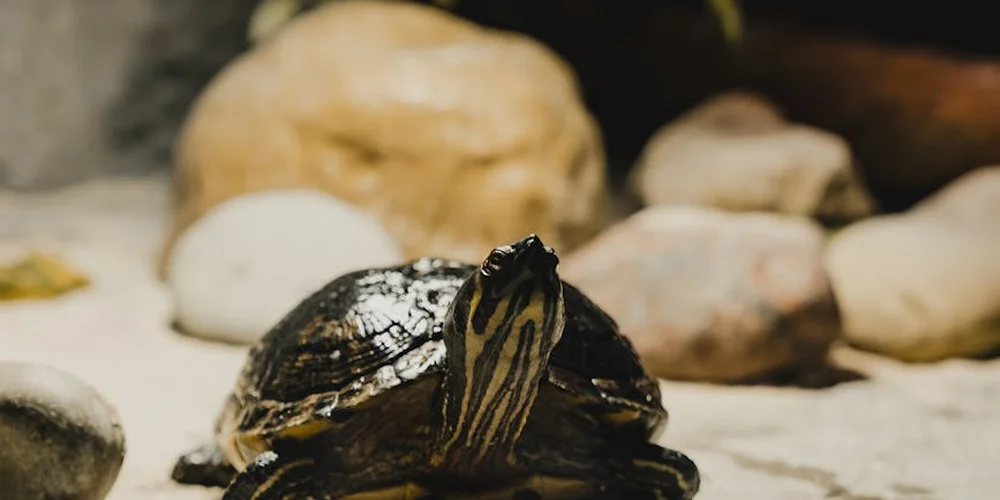
How and when your turtle basks tells a detailed story about its internal state. Basking is their non-negotiable method for digesting food and regulating their body temperature. It’s a vital behavior, not a luxury. Understanding turtle basking helps explain why they spend so much time out of the water. By watching when and how long they bask, you learn about their internal needs for heat, UV exposure, and digestion.
My box turtle, Orwell, has a precise routine. A healthy turtle will alternate between basking under its heat lamp and cooling down in its habitat. This cycle is a sign of a comfortable, well-adjusted animal.
You should become concerned if you notice these patterns:
- Excessive basking for hours on end without moving could mean the overall habitat temperature is too cold.
- Never basking is a major red flag, often signaling illness, stress, or an environment that feels unsafe.
- A turtle that strains its neck and legs out fully while basking is trying to maximize its surface area to absorb as much heat as possible.
Watching Orwell settle under his lamp, perfectly content, is a sure sign he’s thriving. Their comfort in this simple act is a direct reflection of the quality of life you provide.
Recognizing Signs of Illness Through Behavior and Appearance

Observing your turtle daily creates a baseline for their normal behavior, making subtle changes immediately noticeable. My tortoise, Austen, once went from being a slow-and-steady explorer to a complete recluse, which was my first clue something was wrong. A sudden shift in personality or routine often precedes physical symptoms. These changes can be early signs your turtle may need veterinary care. If such signs persist, consult a reptile veterinarian.
Eye Signals and Pupil Dilation Meanings
A healthy turtle’s eyes should be clear, bright, and fully open. When I notice Orwell squinting or keeping one eye shut, I know he’s telling me the habitat humidity might be off. Swollen, puffy, or persistently closed eyes can signal a Vitamin A deficiency or a respiratory infection. This is one of the most common issues I’ve encountered in pet turtles. If you want to learn more about swollen eyes in turtles, check out that article.
Pupil dilation is another critical, yet often overlooked, signal. In a well-lit room, a turtle’s pupils should contract. If the pupils remain widely dilated in bright light, it can indicate eye pain, pressure, or systemic stress. Bronte’s pupils once remained large for a full day, and a vet visit confirmed she was battling a low-grade infection.
- Clear, open eyes: Indicates good health and proper habitat conditions.
- Swollen or puffy eyes: Often a sign of vitamin deficiency or infection.
- Persistently closed eyes: Suggests irritation, illness, or incorrect humidity.
- Unresponsive, dilated pupils: A potential red flag for pain or systemic illness.
Caring for Your Turtle Based on Their Signals
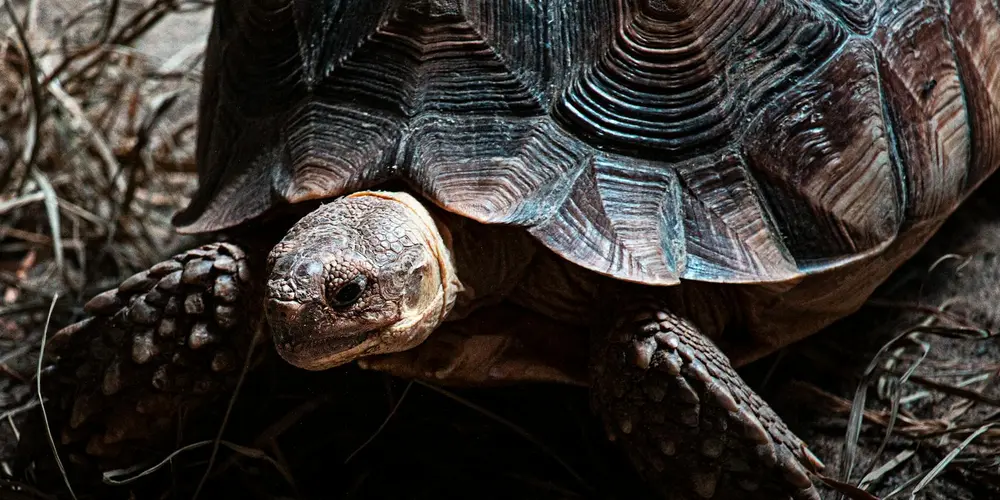
Your turtle’s body language is a direct request for help or a sign of contentment. Responding appropriately is the cornerstone of proactive care.
When you see eye issues, first assess the habitat. I immediately check the humidity and temperature gradients, as incorrect levels are a frequent culprit for eye and respiratory distress. A shallow, lukewarm soak can sometimes help clear mild debris from their eyes.
For more persistent symptoms like lethargy or loss of appetite paired with physical changes, your action plan should be clear.
- Isolate the turtle if you have multiple pets to prevent potential spread of illness and reduce stress.
- Review and correct all habitat parameters-temperature, UVB light output, humidity, and water quality.
- Schedule a visit with an exotics veterinarian who has experience with reptiles. Do not attempt to medicate on your own.
Remember, you are your turtle’s advocate; they rely entirely on your observation and willingness to act. The gentle, steady nature of these creatures means they often hide weakness until a problem is advanced, so your vigilance is their best medicine. Because many critical turtle health issues are subtle and can worsen quickly, you must watch for warning signs and seek care promptly. Regular checks of behavior, appetite, and shell condition help you catch problems early.
FAQs
Why does a turtle gape its mouth, and what does it mean?
Gaping can signal a respiratory infection or breathing difficulty, requiring prompt veterinary attention. It might also occur during thermoregulation or as a territorial display in certain species.
What does tail-wagging or swishing indicate in a turtle?
Tail-wagging often shows excitement or agitation, such as during mating rituals. In other situations, it can indicate stress or discomfort with their surroundings.
How can you distinguish between a turtle basking and sun-exposed in terms of body language?
A basking turtle will fully extend its limbs and neck in a relaxed, spread-out posture to absorb heat. A turtle merely sun-exposed may keep its limbs partially retracted and display a more alert, tense stance.
What does a turtle do with its limbs when it wants to hide or curl into its shell?
It quickly pulls its limbs tightly against its body or retracts them entirely into the shell for protection. This action helps shield them from perceived threats and reduces their visibility.
What does a turtle’s shell color or sheen indicate about its mood or health?
A vibrant, glossy shell often reflects good health and a content, stress-free mood. Dullness, discoloration, or a lack of sheen can suggest underlying health issues or environmental stressors.
Your Journey with Your Turtle
Learning to interpret your turtle’s unique language of posture, movement, and color is one of the most rewarding parts of being a keeper. Always consider the whole picture—your pet’s environment, diet, and daily habits—to truly understand what they are communicating. You can find more tips on how to care for a pet turtle in our complete guide for beginners.
Caring for these ancient creatures is a long-term commitment built on patience and attentive observation. I encourage you to keep learning and growing alongside your shelled friend, ensuring they thrive under your dedicated care for years to come.
Further Reading & Sources
- How Do Turtles Communicate? (Hint: Verbally & Nonverbally) – All Turtles
- How Turtles Communicate – Cuteness
- The Nonverbal World – All about Human Behavior and Body Language: Turtle Effect: Body response under threat
- Come out of Your Shell – Merrill Research
Matthew is a dedicated turtle enthusiast and conservationist with over 15 years of experience in reptile care. Known affectionately as "The Leatherback" among his peers, he combines his passion for turtles with a commitment to educating pet owners on responsible turtle care and environmental stewardship.
Understanding Turtle Behavior