
Why Is My Turtle Acting Strange? A Behavioral Diagnostic Checklist
Published on: March 25, 2026 | Last Updated: March 25, 2026
Written By: Matthew The
If your turtle is suddenly hiding more, refusing food, or moving in unusual ways, it’s natural to feel a knot of worry in your stomach. You might be asking yourself if this is a sign of illness, stress, or something else entirely.
I’ve been there with my own shelled friends-like Austen, my gentle Russian tortoise, who once went off his food for days-so I know how puzzling and concerning these changes can be.
common causes, symptoms to watch for, step-by-step diagnosis, when to consult a vet
Common Causes of Unusual Turtle Behavior
When your turtle starts acting differently, it’s usually trying to tell you something is off. I’ve found that most behavioral shifts stem from three main areas: their environment, their physical health, or their stress levels. Let’s break down what to look for in each category.
Environmental Factors
Your turtle’s habitat is its entire world. When something’s wrong there, behavior changes fast. My Russian tortoise Austen once stopped basking for days because his heat lamp was failing. Understanding turtle basking behavior helps explain why they spend so much time out of water. Basking isn’t just sunbathing—it’s how they regulate temperature and metabolism to stay healthy.
- Improper temperature gradients (too hot or cold in basking/water areas)
- Inadequate UVB lighting affecting metabolism and shell health
- Wrong humidity levels causing respiratory issues or shell problems
- Poor water quality with high ammonia or nitrite levels
- Dirty enclosure leading to bacterial or fungal growth
Health Issues
Physical ailments can dramatically alter how your turtle acts. Many health problems start subtly before becoming obvious behavioral changes. My box turtle Orwell developed a slight limp that turned out to be a shell infection.
- Internal parasites causing weight loss or lethargy
- Respiratory infections leading to wheezing or nasal discharge
- Nutritional deficiencies from imbalanced diet
- Shell rot or fungal infections
- Eye infections or vitamin A deficiency
Stress Triggers
Turtles are creatures of habit who stress easily. Even small changes in their routine or environment can cause noticeable behavioral shifts. My Greek tortoise Bronte refused to eat for two days after I rearranged her enclosure. Understanding why your turtle is not eating is crucial for their health and well-being.
- Recent habitat changes or relocation
- Excessive handling or loud noises
- Aggressive tank mates or overcrowding
- Predator stress from other household pets
- Breeding season hormonal changes
Step-by-Step Diagnostic Checklist for Turtle Behavior
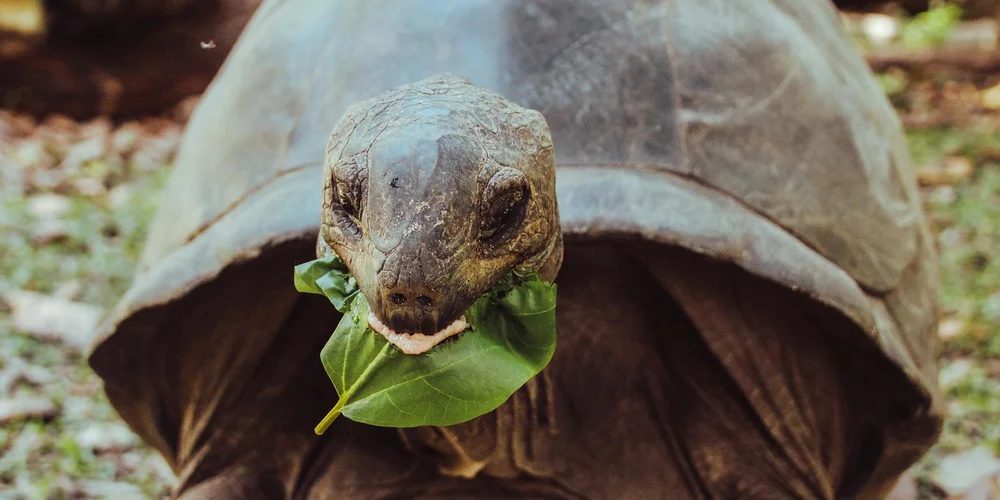
When your turtle acts strangely, don’t panic. Follow this systematic approach to identify potential issues before they become serious problems. I’ve used this same method with my three turtles for years. When my turtle won’t eat, I turn to a 10-point troubleshooting checklist for reassurance. It helps worried owners pinpoint common causes and decide when to seek veterinary advice.
Habitat and Environmental Check
Start with the physical environment – it’s often the easiest to fix. Proper habitat conditions are the foundation of good turtle health. This is a central theme of the care land aquatic turtles essential guide. It helps you design safe, species-appropriate land and water setups from the start.
- Verify basking area temperature reaches 85-95°F using a digital thermometer
- Check water temperature matches species requirements (usually 75-80°F)
- Confirm UVB lighting is adequate and bulbs are replaced every 6-12 months
- Measure humidity levels with a hygrometer
- Test water quality for pH, ammonia, nitrites, and nitrates
- Assess enclosure cleanliness and remove any waste or uneaten food
Physical Health Assessment
Look closely at your turtle’s physical condition. During a routine veterinary checkup, the vet will examine shell, eyes, mouth, and movement, and note weight and hydration. Regular health checks help you catch problems early when they’re most treatable.
- Inspect shell for cracks, pyramiding, soft spots, or discoloration
- Check eyes for cloudiness, swelling, or discharge
- Monitor breathing for wheezing, bubbles, or labored respiration
- Observe defecation patterns and stool consistency
- Examine skin for lesions, shedding issues, or parasites
- Check mouth for swelling, discoloration, or mucus
Behavioral and Appetite Observations
Watch how your turtle moves, eats, and interacts. Behavioral changes often provide the earliest warning signs something’s wrong. Color cues and changes in shell or skin tone can reveal mood and health. This helps you understand your turtle’s body language coloration changes more clearly.
- Track activity levels throughout the day
- Observe swimming habits and buoyancy control
- Monitor social interactions with tank mates
- Note appetite changes and feeding behavior
- Watch for signs of lethargy or excessive hiding
- Record any unusual vocalizations or stress behaviors
Key Signs That Require a Veterinary Visit
Some behaviors are more than just a little odd; they are urgent cries for help. Trust me, noticing these signs early can make all the difference for your shelled friend.
You should contact a reptile veterinarian immediately if you observe any of the following:
- Labored Breathing: Listen for wheezing, gasping, or bubbles from the nose or mouth. This is not a simple cold; it’s often a serious respiratory infection.
- Visible Shell Damage: Look for soft spots, cracks, pits, or bleeding on the shell or plastron (the underside). This can lead to severe infection.
- Persistent Lethargy: A turtle that refuses to eat for more than a few days and shows no interest in moving, even when gently prompted, is a major concern.
- Swollen Eyes or Persistent Discharge: Eyes that remain shut or are puffy, often with a thick discharge, signal a vitamin A deficiency or infection.
- Buoyancy Issues: An aquatic turtle that lists to one side, struggles to dive, or floats unevenly may have pneumonia or other internal problems.
- Prolonged Diarrhea or Constipation: Any drastic, lasting change in droppings points to a parasitic infection or digestive blockage.
Species-Specific Behavioral Insights
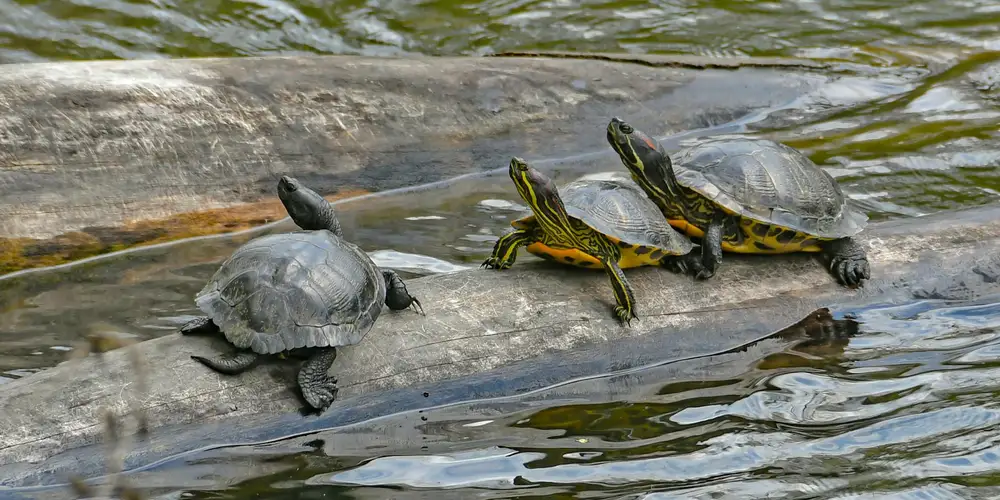
Not all turtles are the same, and what seems strange for one might be perfectly normal for another. Understanding your turtle’s natural instincts is the first step to decoding its behavior. For example, many turtles dig burrows to escape heat or find shelter, a natural behavior that shows how they regulate their environment. Understanding this natural behavior helps explain when and why your turtle might burrow.
Aquatic Turtles vs. Terrestrial Turtles
Their lifestyles create completely different behavioral patterns.
- Aquatic Turtles (like Red-Eared Sliders): They are born swimmers. Constant basking is normal for them to regulate their body temperature. A lack of basking can be a sign the water is too cold or they are feeling unwell. They are often more visibly active and curious.
- Terrestrial Turtles & Tortoises: These are the land-dwellers. They dig, they roam, and they often have a strong desire to “pace” the perimeter of their enclosure. This is natural exploratory behavior, not necessarily stress.
Personal Observations from My Herd
Living with my tortoises has taught me to appreciate their unique personalities.
My Russian Tortoise, Austen, has a very steady, predictable nature. When Austen suddenly refused his favorite dandelion greens, I knew something was off-it turned out to be a minor impaction that required a warm soak. His behavior is a slow, reliable barometer of his health.
In contrast, my Greek Tortoise, Bronte, is more thoughtful and deliberate. She will often stop and observe her surroundings for long periods, which I initially mistook for lethargy. I’ve learned this is just her graceful, cautious way of navigating the world. A change for her would be frantic, repeated digging in one spot or hiding for an entire day without emerging.
Proactive Turtle Health and Habitat Management
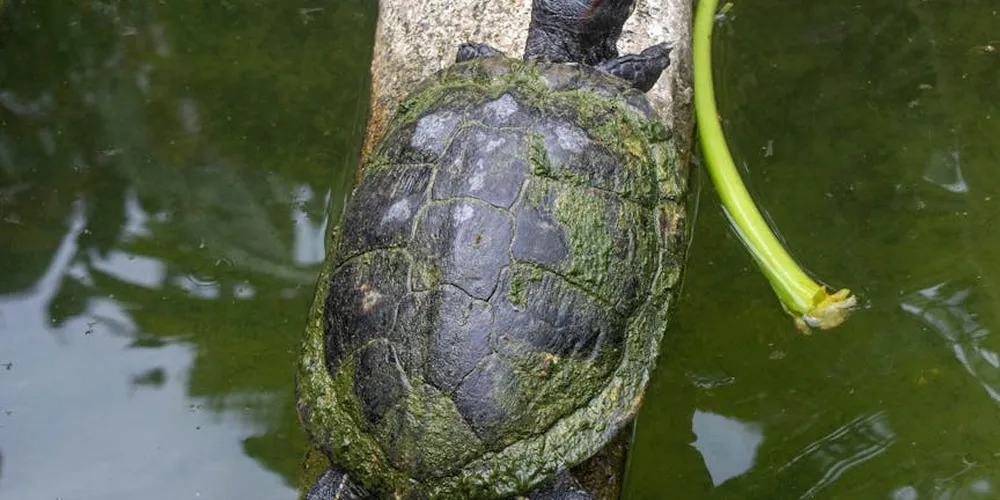
Creating a stable, enriching home is the single most effective way to prevent strange behavior. Think of your turtle’s enclosure as its entire world; when that world is out of balance, your turtle will be, too.
Maintaining Ideal Enclosure Conditions
I learned this the hard way with my Russian tortoise, Austen. A small fluctuation in humidity led to a week of him refusing food. Regular monitoring is non-negotiable.
- Daily: Check water and air temperatures with reliable digital thermometers. Remove any uneaten food and spot-clean waste.
- Weekly: Test water quality for ammonia, nitrites, and nitrates if you have an aquatic species. Perform a 25-50% water change.
- Monthly: Do a deep clean of the entire habitat, replacing substrate and scrubbing decorations to prevent bacterial buildup.
Steps for a Thriving Turtle
- Diet Variety: I rotate through dark leafy greens, high-quality commercial pellets, and the occasional treat like a strawberry or a worm. A monotonous diet is a fast track to nutritional deficiencies and disinterest.
- UVB Lighting Maintenance: Your turtle’s ability to process calcium depends entirely on UVB. Replace the bulb every 6-12 months, even if it still lights up, as its UV output diminishes over time.
- Stress Reduction: Provide multiple hiding spots and visual barriers. My box turtle, Orwell, loves having a pile of leaf litter to burrow into. Keep the enclosure in a low-traffic area of your home to minimize startling vibrations and shadows.
First Aid and Immediate Care Steps
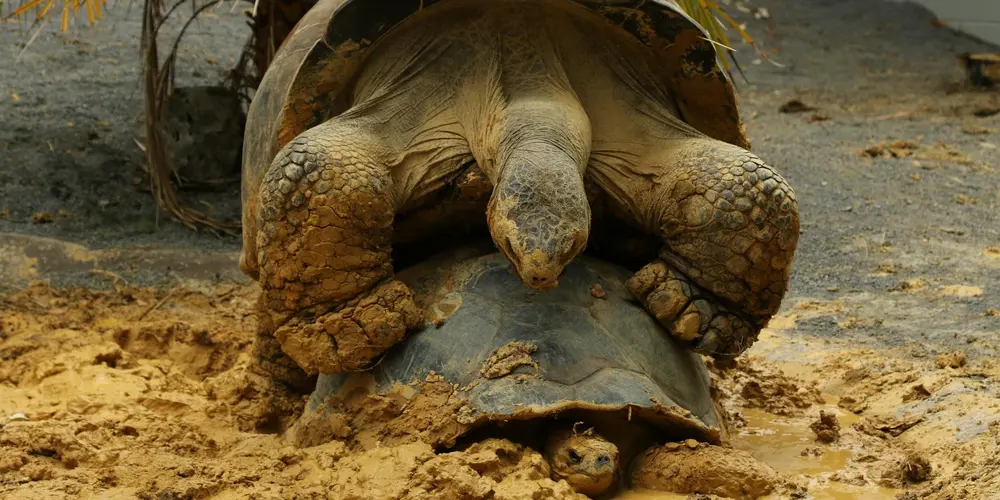
When your turtle is clearly in distress, staying calm and taking the right initial steps can make a significant difference before you can reach a veterinarian.
Basic Actions for a Distressed Turtle
If you find your turtle lethargic, injured, or behaving erratically, your first move is crucial.
- Gently move the turtle to a small, clean, and quiet hospital enclosure with paper towel substrate. This limits movement and makes monitoring easier.
- Ensure the hospital setup maintains a proper, stable temperature. A sudden chill can worsen an already stressed immune system.
- Offer shallow, lukewarm water for hydration but do not force-feed. Focus on providing a calm, warm, and safe environment above all else.
Do’s and Don’ts for Common Issues
- For a Suspected Injury: Do keep the turtle on a dry, soft surface. Don’t apply any human ointments, creams, or bandages.
- For Respiratory Illness (bubbles at nose, wheezing): Do slightly increase the ambient heat in the enclosure. Don’t submerge an aquatic turtle in deep water.
- For Shell Damage: Do gently clean the area with a mild saline solution. Don’t attempt to glue or patch the shell yourself.
- For Refusal to Eat: Do try offering a favorite, high-scent food like tuna water or a ripe piece of fruit to stimulate appetite. Don’t panic if it skips a meal or two, but do start planning a vet visit if it continues.
FAQs
How often should I replace my turtle’s UVB light?
Replace UVB bulbs every 6 to 12 months, as their output diminishes over time even if the light still works. Proper UVB lighting is essential for calcium metabolism and preventing shell and bone disorders.
What is the ideal humidity level for my turtle?
Ideal humidity varies by species but generally ranges from 40% to 60% for many common pet turtles. In a terrestrial turtle habitat, maintaining proper humidity is essential for overall health. Regular misting and substrate management help keep humidity stable. Incorrect levels can lead to respiratory infections or shell problems, so use a hygrometer to monitor it regularly.
Can I handle my turtle too much?
Yes, excessive handling can cause stress, leading to hiding or refusal to eat. Limit handling to essential activities and always support your turtle’s body to avoid injury and reduce anxiety.
Your Journey to Understanding Turtle Behavior
From my decade with Austen, my Russian Tortoise, I’ve seen that paying attention to small changes in behavior and habitat can reveal much about their needs. Regularly using a simple checklist helps you spot issues early and address them with confidence.
Embrace your role as a dedicated turtle guardian by always seeking to learn more about their unique care requirements. Your commitment to ongoing education ensures a safe, enriching life for your shelled companion. For box turtles in particular, this care box turtle complete beginners guide is a perfect starting point.
Further Reading & Sources
- All About Sea Turtles – Behavior | United Parks & Resorts
- Behaviour | Animal Care for Turtles | SPCA Kids Education
- Turtle Behavior and Life History
- Red Eared Slider Handling & Behavior Notes – ReptiFiles
Matthew is a dedicated turtle enthusiast and conservationist with over 15 years of experience in reptile care. Known affectionately as "The Leatherback" among his peers, he combines his passion for turtles with a commitment to educating pet owners on responsible turtle care and environmental stewardship.
Understanding Turtle Behavior