
The First Week Checklist: 10 Essential Tasks for Settling in Your New Turtle
Published on: March 3, 2026 | Last Updated: March 3, 2026
Written By: Matthew The
Bringing home a new turtle can feel overwhelming, filled with questions about their health and happiness-I remember that mix of excitement and concern when I first welcomed Austen, my gentle Russian Tortoise. Those early days shape their future well-being, and with a clear plan, you can ease into this rewarding journey.
This guide covers habitat setup, health monitoring, feeding routines, temperature control, hydration, handling techniques, enrichment, vet preparation, behavior observation, and bonding activities. Each step draws from my years caring for turtles like Bronte and Orwell, ensuring your pet thrives from day one.
Before Your Turtle Arrives: The Pre-Habitat Setup
Getting everything ready ahead of time makes the transition smoother for both of you. I always set up the habitat at least a week before bringing a new turtle home, which gives me time to fix any issues without stress.
- Research your turtle’s specific needs-my Russian tortoise Austen requires a drier setup than my aquatic-loving box turtle Orwell.
- Choose the right tank size; for most species, a 40-gallon tank is a good start, but larger turtles need more space to roam.
- Gather essential supplies: a sturdy basking platform, a reliable heat lamp, and a quality UVB light to mimic natural sunlight.
- Don’t forget a water dish, substrate like coconut coir or smooth gravel, and hiding spots to reduce initial anxiety.
Creating the Perfect Habitat: Tank Setup and Cycling
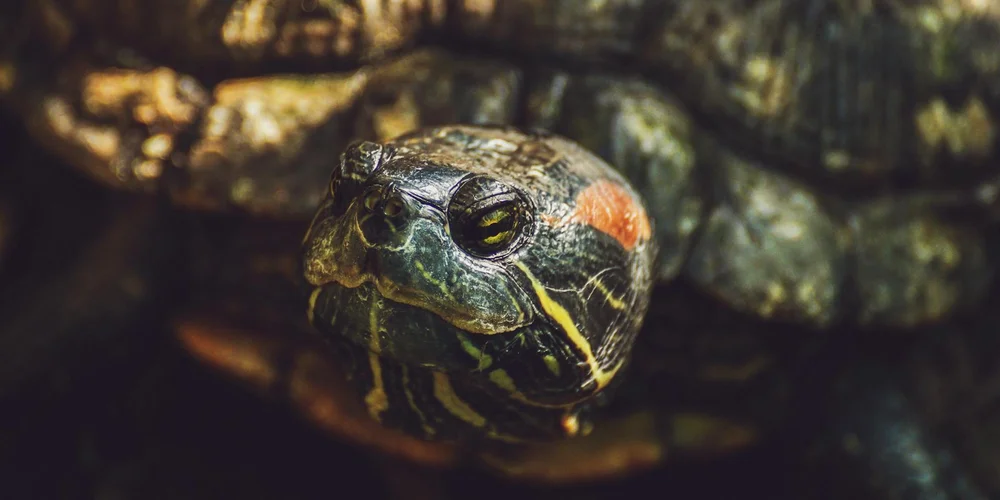
Assembling the habitat is like building a mini-ecosystem tailored to your turtle’s instincts. Take your time arranging the land and water areas to encourage natural behaviors, such as basking and exploring. Create the space with naturalistic decor that supports those behaviors, not just looks. Use safe driftwood, smooth rocks, and aquatic plants to mimic a real habitat and reduce stress.
- Start by placing the substrate and decor to create distinct dry and wet zones, ensuring easy access for your turtle.
- Install the filtration system to keep water clean; I prefer canister filters for their efficiency in handling waste.
- Begin tank cycling by running the filter with dechlorinated water for a week to grow beneficial bacteria that break down toxins.
Cycling is non-negotiable—it prevents ammonia spikes that could harm your turtle. This cycle your aquatic turtle tank beginners guide shows you how to do it step by step. I test the water with a kit before introducing any turtle, as I learned from a past oversight with Bronte that led to a finicky adjustment period.
Mastering Temperature and Lighting
Temperature and light are the cornerstones of a healthy turtle home. Use a thermometer to monitor gradients, aiming for a basking spot around 90°F and cooler areas near 75°F for comfort. Include this in your turtle habitat diagnostic checklist for perfect lighting, heat, and water. Regular checks of UVB exposure, basking temperature, and water quality help catch problems early.
- Position the heat lamp over the basking area to provide a warm retreat, much like my Greek tortoise Bronte enjoys for her sun-soaked naps.
- Set up the UVB light on a timer for 10-12 hours daily to support shell and bone health, mimicking a natural day cycle.
- Maintain a consistent day/night rhythm; sudden changes can stress turtles, as I noticed with Orwell’s reserved nature improving with routine.
Regular checks prevent overheating or chilling. Invest in a digital thermometer for accuracy-it’s a small step that makes a big difference in your turtle’s well-being, especially when managing nighttime heat.
Ensuring Water Quality and Safety
Clean water is vital for preventing illness and keeping your turtle active. Always treat tap water with a dechlorinator to remove chemicals that can irritate skin and eyes. In practice, key water quality parameters—pH, ammonia, nitrite, nitrate, and temperature—define a healthy turtle tank. Regular testing helps you keep these levels in the safe ranges.
- Add dechlorinator to the water before filling the tank, following the product instructions for your tank’s volume.
- Run the filter continuously to circulate water and remove debris, reducing the risk of bacterial growth.
- Perform partial water changes of 25-30% weekly to maintain clarity and balance, using a siphon to vacuum waste from the substrate.
This routine keeps the environment pristine without overwhelming your turtle. I’ve found that consistent water care, like what I do for Austen’s setup, helps turtles thrive and avoids common health issues. It’s crucial to follow a reliable maintenance schedule for tank water quality.
The First 24 Hours: Quarantine and Initial Observation
Your turtle’s first day home sets the tone for its entire life with you. Think of this period as a quiet decompression zone, a necessary buffer from the journey and a new world of sights and sounds.
I always set up a simple, separate quarantine enclosure for my new arrivals, like I did for Bronte. It’s not about isolation as punishment, but about protection and careful monitoring.
- Place the enclosure in a low-traffic area of your home, away from loud noises and direct sunlight.
- Resist the overwhelming urge to handle your new friend. Let them be an observer for now.
- Your primary job is to watch. Look for clear, bright eyes and a shell that feels solid and hard.
- Healthy breathing should be silent; any wheezing or bubbles from the nose is a red flag.
- Note their activity level. Hiding is normal; constant, frantic swimming or pacing is a sign of stress.
My Russian tortoise, Austen, spent his first day completely buried under his substrate, and that was perfectly okay. A calm, uneventful first 24 hours is a major win for your turtle’s long-term health.
Establishing a Nourishing Feeding Schedule
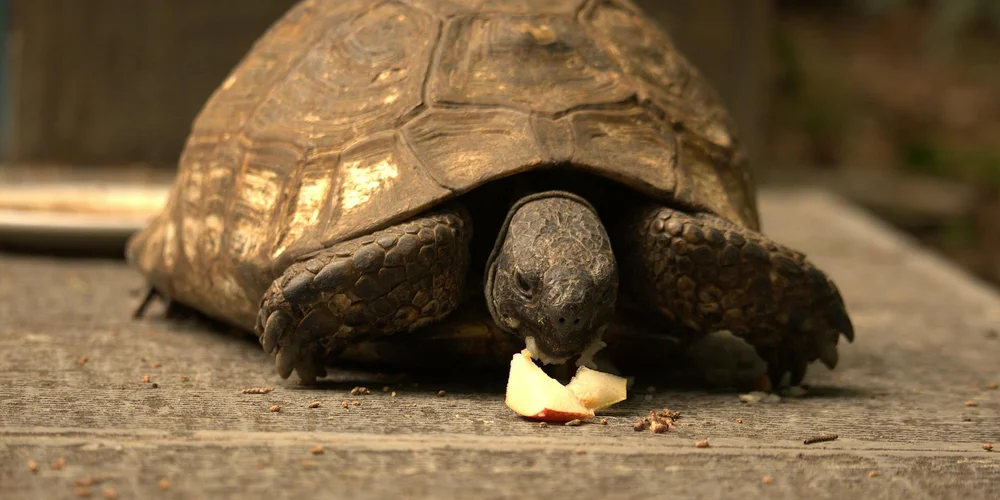
After the quiet observation period, it’s time for the first meal. This is a moment of building trust. Offering food is one of the first positive interactions you will share, so make it count with quality and appropriateness.
My Greek tortoise, Bronte, can be picky, so I started with a simple base of fresh dandelion greens and a sprinkle of hibiscus flowers.
- Research your specific species. A Russian tortoise like Austen needs a high-fiber, leafy green diet, while my box turtle Orwell requires protein like worms and insects alongside his veggies.
- For the first meal, offer a small amount, roughly the size of your turtle’s head and neck combined.
- Place the food in a shallow, clean dish to prevent substrate ingestion.
- Establish a consistent time for feeding, ideally in the morning when they are most active.
- Remove any uneaten food after a few hours to keep the habitat clean and prevent spoilage.
Portion control is vital for shell health and longevity. A consistent, species-appropriate feeding routine is a cornerstone of responsible turtle guardianship and prevents obesity, a common issue in captive pets.
Daily Health Checks and Record Keeping

During the first week, I keep a close eye on my turtles, like Austen and Bronte, to catch any early signs of stress or illness. Daily observations help you spot subtle changes that could indicate your turtle’s health needs attention. Start by checking their activity levels; a healthy turtle should move around, even if slowly, and not stay hidden all day. If you’re wondering how I tell if my turtle is sick, these daily checks help me catch warning signs early. Changes in appetite, activity, or shell appearance are often the first clues.
- Monitor appetite by offering small amounts of favorite foods, like leafy greens or commercial pellets, and note if they eat eagerly or ignore meals.
- Inspect the shell for cracks, discoloration, or soft spots, which can signal issues like shell rot or injury.
- Look at their eyes and nose for discharge or swelling, and ensure their breathing is quiet and regular.
- Watch for normal behaviors, such as basking under their heat lamp or soaking in water, as deviations might mean discomfort.
I started a simple log when Orwell joined our family, jotting down notes each evening. Keeping a record lets you track patterns over time and share accurate info with a vet if needed. Use a notebook or a phone app to write observations, feeding times, and any worries-it builds a helpful history for your pet’s care.
Building Trust and Ensuring Long-Term Safety
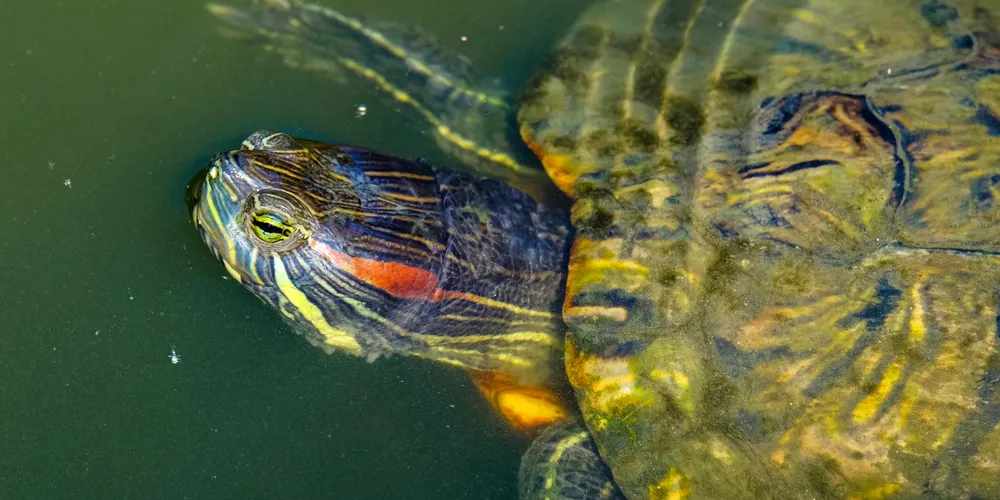
Helping your turtle feel secure in their new home takes patience and a calm approach, much like I did with Bronte, who needed time to trust her surroundings. Providing hiding spots, like half-logs or plant covers, gives them a safe retreat when they feel overwhelmed. This reduces stress and encourages natural behaviors, such as exploring when they’re ready. Proper substrate also supports nesting behaviors by providing a diggable area. Choose a loose, deep, non-toxic substrate to allow safe digging and nest-building.
- Safety-proof the habitat by securing any loose wires, removing sharp objects, and ensuring the enclosure has a tight-fitting lid to prevent escapes.
- Maintain stable temperatures and humidity levels to mimic their natural environment, avoiding sudden changes that can cause health issues.
- Begin bonding through quiet, predictable interactions, like sitting near their space without making sudden movements or loud noises.
- Offer hand-fed treats occasionally, but let the turtle approach you first to build confidence at their own pace.
From my experience, consistency is key-repeating gentle routines helped Austen warm up to me over days. Building trust slowly fosters a lasting bond and supports your turtle’s overall welfare. Always prioritize their comfort, and you’ll see them thrive in their new home.
FAQs
What humidity levels are required for this species?
Humidity needs vary by species; for example, tropical turtles like red-eared sliders thrive at 70-80% humidity, while desert species such as Russian tortoises prefer drier conditions around 30-50%. Use a hygrometer to monitor levels and adjust with misting or dehumidifiers as needed to prevent respiratory issues or shell problems. It is particularly important to maintain proper humidity levels in a terrestrial turtle habitat.
Are calcium and vitamin supplements needed, and how should they be given?
Yes, most turtles benefit from calcium and vitamin D3 supplements to support shell and bone health, especially if their diet lacks variety. Dust their food lightly with a reptile-specific supplement powder once or twice a week, following package instructions to avoid over-supplementation.
How long does this species typically live and what is the long-term commitment?
Many turtle species live for decades; for instance, red-eared sliders can reach 20-40 years, and some tortoises may exceed 50 years with proper care. Owning a turtle is a long-term commitment that requires consistent habitat maintenance, veterinary check-ups, and financial planning for their lifelong needs.
Steady Steps Forward
Focus on providing a stable habitat and consistent daily checks to help your turtle feel secure and thrive from day one. My own turtles, like gentle Austen and thoughtful Bronte, have shown me that a calm, well-prepared start builds trust and health, as outlined in proper care guidelines.
Commit to being a responsible guardian by observing your turtle’s unique habits and needs over time. Embrace the journey of learning, as each species, from my reserved Orwell to yours, offers new insights for a rewarding life together.
Further Reading & Sources
- New Turtle Checklist | Petstock.co.nz
- Basic Supplies for New Box Turtle | Box Turtle World
- Aquatic Turtle Tank Setup 101: A Beginner’s Guide | Chewy
- Aquatic Turtle Care: Master Tank, Food & Health for a Healthy Pet
Matthew is a dedicated turtle enthusiast and conservationist with over 15 years of experience in reptile care. Known affectionately as "The Leatherback" among his peers, he combines his passion for turtles with a commitment to educating pet owners on responsible turtle care and environmental stewardship.
Heating and Lighting